
Are you getting ready to sell in Park City and wondering whether you need a CMA or a formal appraisal? You are not alone. Pricing in Stillwater County’s rural market can feel complex, especially when acreage, wells, and outbuildings enter the picture. In this guide, you will learn the difference between a CMA and an appraisal, when each is the right tool, and how to set a smart price for your Park City property. Let’s dive in.
CMA vs. appraisal: what they mean
A Comparative Market Analysis (CMA) is a valuation prepared by a licensed real estate broker or agent. It compares your property to recent local sales, active and pending listings, and uses current market knowledge to recommend a list price. A CMA is designed for pricing and marketing. It is not an appraisal and does not follow appraisal standards.
A formal appraisal is an opinion of market value prepared by a state-licensed or certified appraiser. Appraisers follow the Uniform Standards of Professional Appraisal Practice and state rules. Appraisals are commonly required by lenders and are often used for legal or tax matters where a neutral third-party value is needed.
When each makes sense in Park City
Use a CMA when your goal is to set a competitive list price, understand likely days on market, and position your home to attract buyers. A CMA is usually quick to complete, and many brokers provide it at no cost to prospective sellers.
Choose a formal appraisal when a lender, court, or tax authority requires a certified report. Appraisals can also help if your property is highly unique or if you expect an appraisal challenge once you are under contract.
Key differences that affect your bottom line
Purpose and use
- CMA: market-facing strategy for listing and negotiations.
- Appraisal: formal, defensible value for lending or legal use.
Standards and liability
- CMA: prepared under broker practice with flexible format and fewer formal requirements.
- Appraisal: completed to professional standards with documented methods and signed certification.
Data and methods
- CMA: relies on MLS sales, active and pending listings, and local market insight. Adjustments draw on agent experience and recent trends.
- Appraisal: uses MLS and public records, a field inspection, and formal approaches to value. The appraiser reconciles sales comparison with cost and income approaches when relevant.
Cost and timing
- CMA: generally free or low cost and fast to produce.
- Appraisal: fees vary by complexity. In rural Stillwater County, timing often runs 1 to 3 weeks, and complex properties may take longer.
Third-party acceptance
- Lenders, courts, and tax authorities accept licensed appraisals. They do not accept a CMA in place of an appraisal.
Rural factors that move value in Stillwater County
Rural properties in and around Park City often have features that are hard to match exactly. These can shift price more than you might expect.
- Comparable sales scarcity. Few recent, truly similar sales can force both brokers and appraisers to use older or farther comps with larger adjustments.
- Acreage and use. Per-acre value varies by utility. Irrigated ground, pasture quality, topography, fencing, and access all matter.
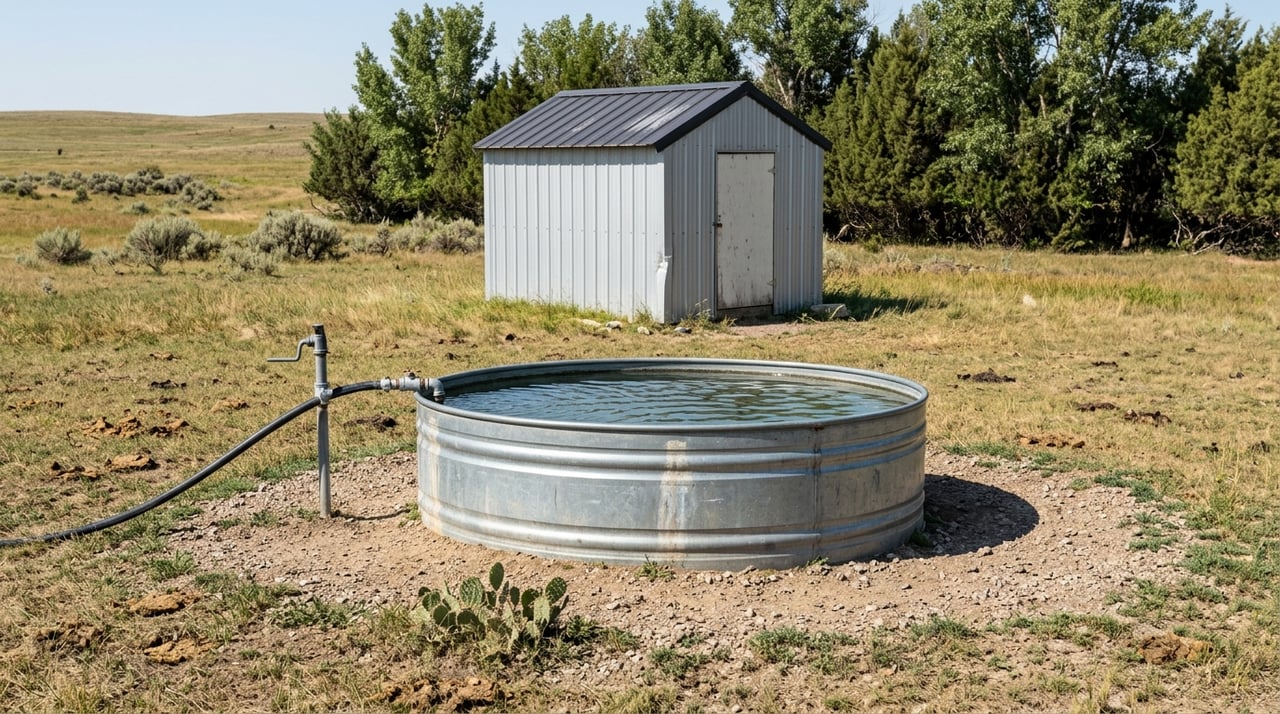
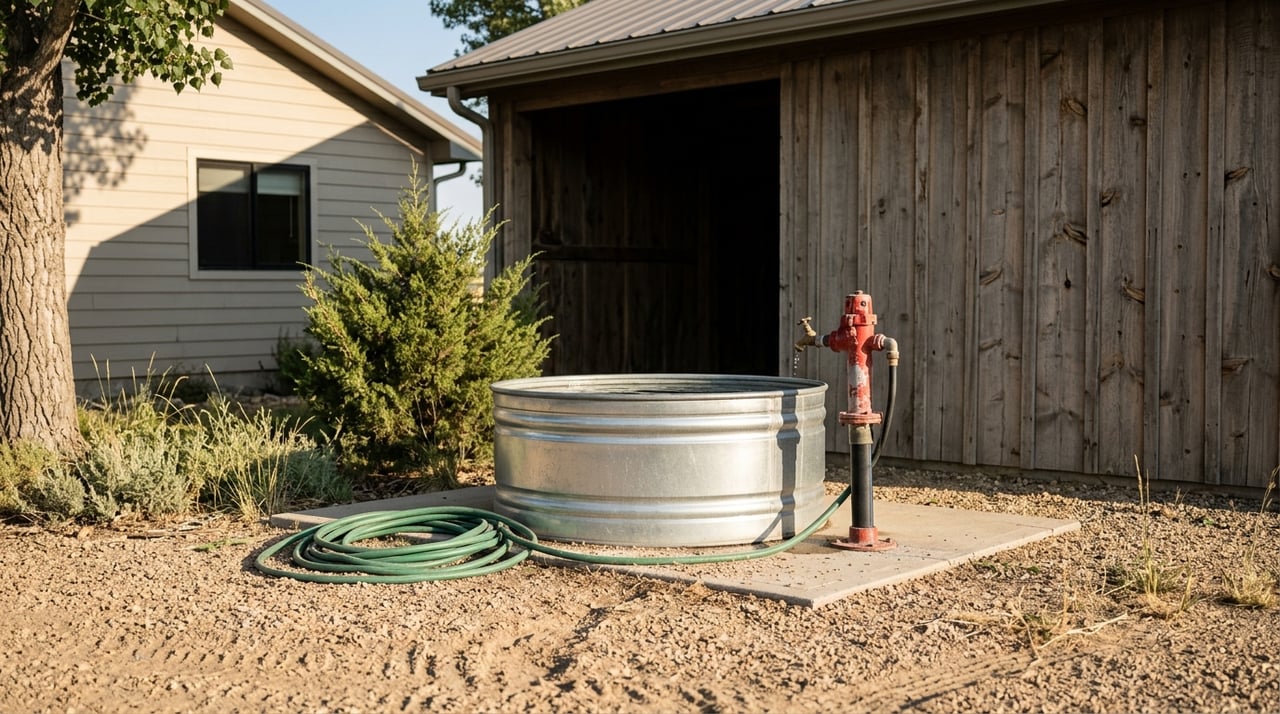
- Water rights and wells. Documented water rights or irrigation shares can materially affect value. Well capacity and water quality are important to buyers and appraisers.
- Septic systems. Age, capacity, permits, and soil suitability can influence marketability. Replacement costs and permitting can affect price expectations.
- Access and roads. Private road agreements, winter maintenance responsibilities, and ease of access factor into buyer demand and adjustments.
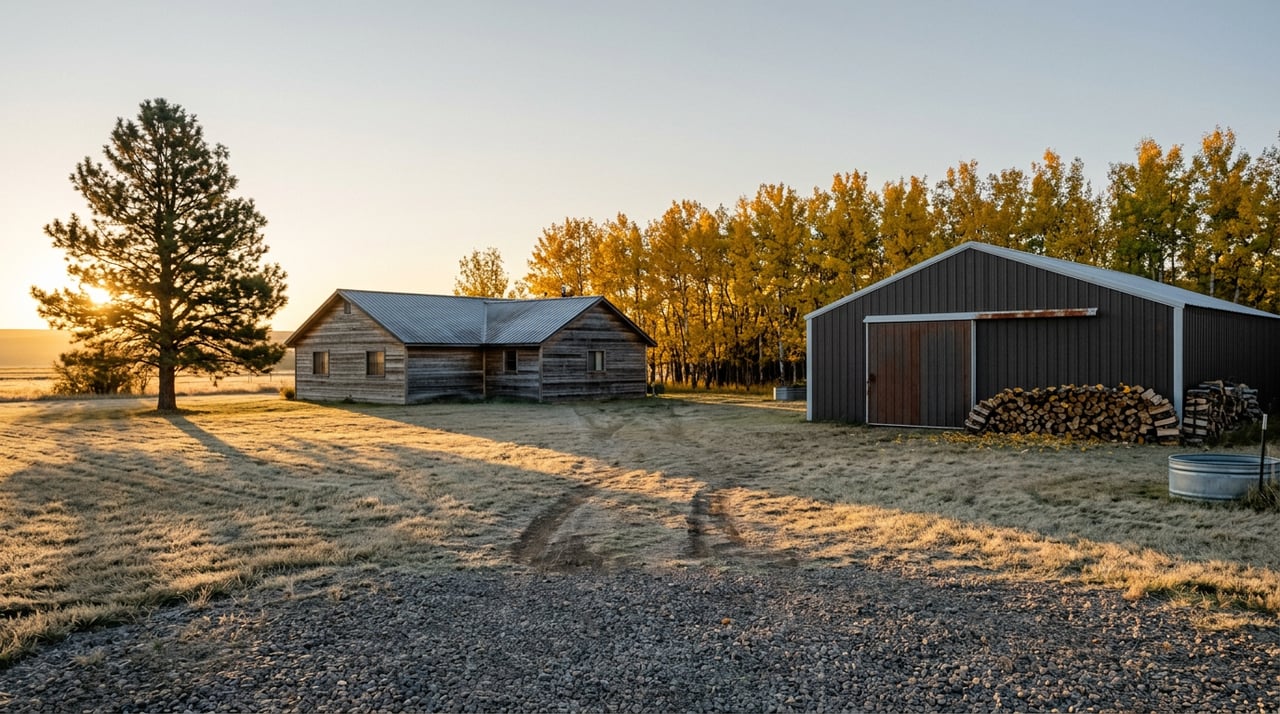
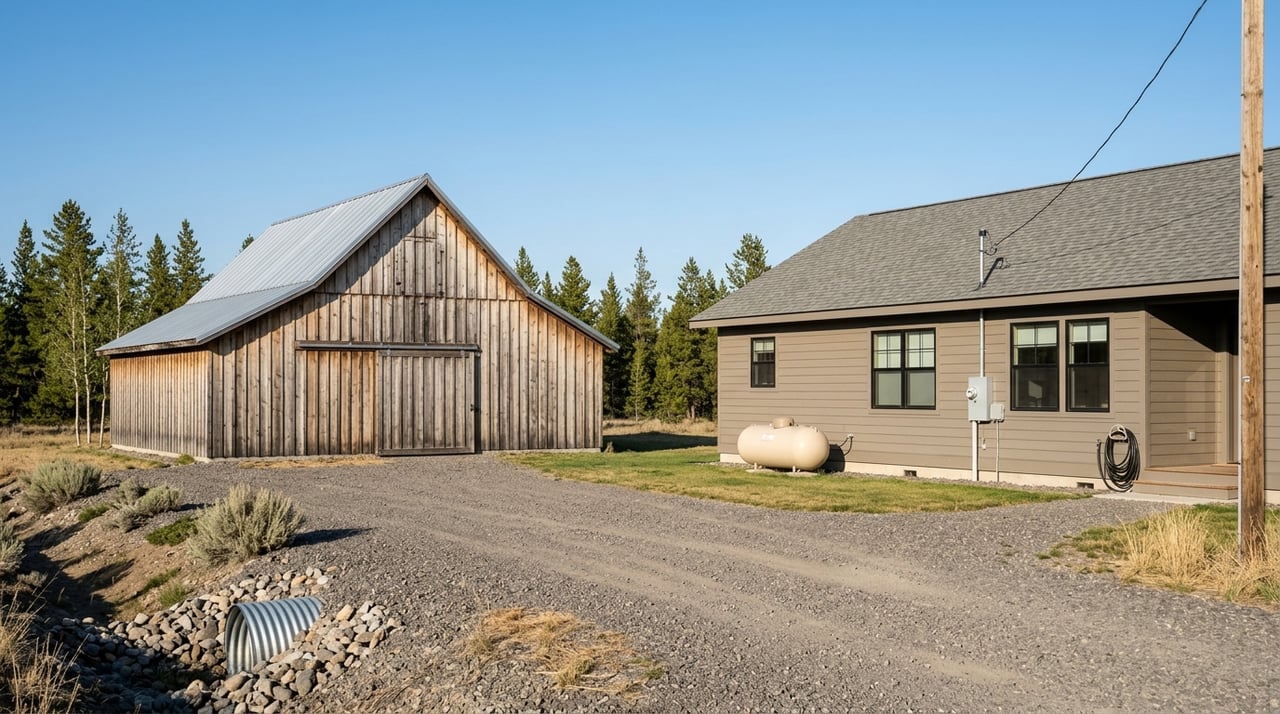
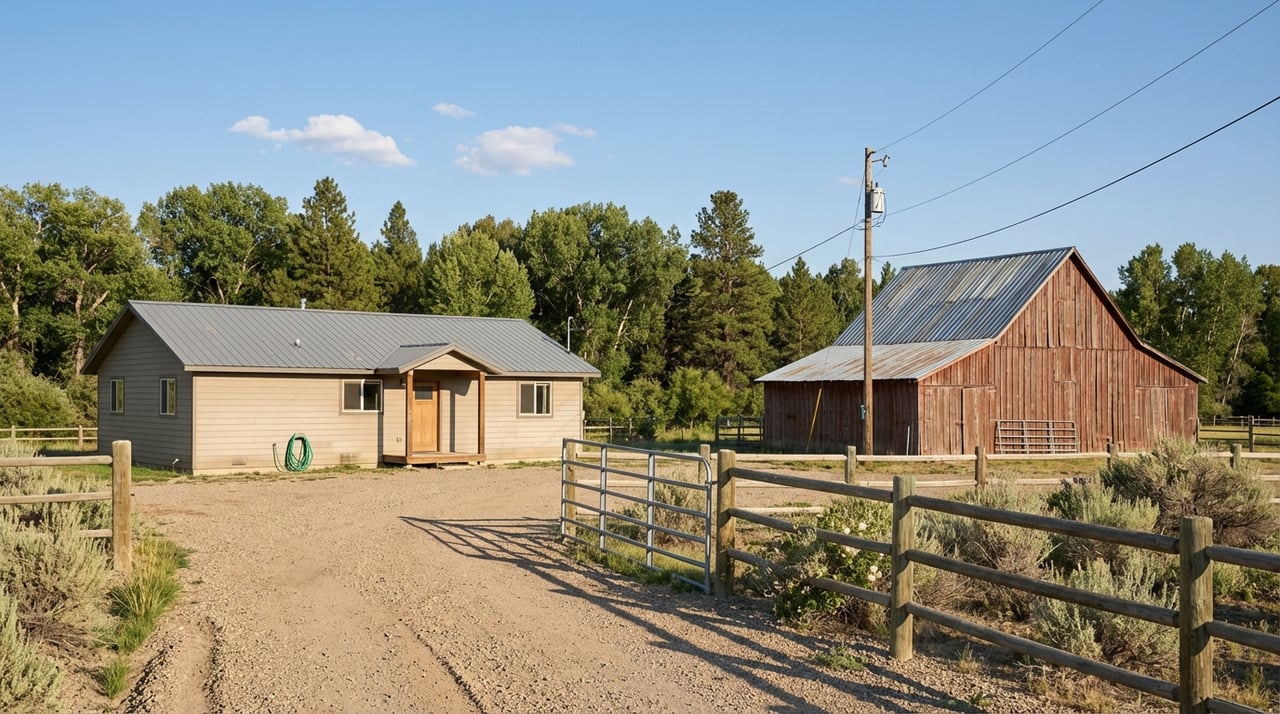
- Outbuildings and improvements. Barns, shops, and corrals add value based on condition, utility, and permitted uses. Unpermitted structures may reduce value.
- Utilities and broadband. Electricity, gas, internet options, and cell coverage shape marketability for rural buyers.
- Views and proximity. Setting, views, and distance to services or nearby towns influence appeal and pricing.
- Rights and restrictions. Mineral or timber rights, conservation easements, deed restrictions, and zoning affect highest and best use.
- Seasonal and recreational value. Hunting access, trails, and recreation nearby can create niche demand and premiums.
How a broker builds a smarter CMA here
A strong Park City CMA blends data and on-the-ground detail.
- Data collection. Pull closed sales from the last 12 to 24 months and current active and pending listings. Gather Stillwater County parcel data, assessed value, and deed history.
- Property inspection. Confirm square footage, floor plan, condition, major systems, and outbuildings. Document well depth and age, septic permits, water rights records, and access road condition. Photograph unique features.
- Comparable selection. Choose sales that match acreage, utility, outbuildings, and distance to services. If true comps are scarce, expand the timeline or radius and clearly explain adjustments.
- Adjustment logic. Account for per-acre differences, view premiums or detractors, infrastructure burdens like private roads, and any restrictions or easements.
- Market context. Identify likely buyer types, seasonality, and expected time on market based on current inventory and demand.
- Confidence level. Disclose whether the CMA confidence is high, moderate, or low based on comp quality and property uniqueness.
Set a pricing strategy that fits your goals
Your price strategy should reflect your priorities and the realities of the rural market.
- Maximize price. List near the upper end of a documented range when comps support the value and the property’s features are in high demand. Expect a longer marketing window if inventory is thin but buyers are selective.
- Sell quickly. Price close to the most recent, well-matched comp and lean on strong presentation to attract early offers.
- Reduce appraisal risk. If your property is unique or comps are weak, consider ordering a pre-listing appraisal. Use both the appraisal and the CMA to set a range and prepare for negotiations.
What to gather before pricing
Collect these items to support a precise CMA and smoother sale process.
- Recent well logs, water tests, and any water rights or irrigation records
- Septic permits, pump reports, and system details
- Parcel maps, assessed values, and deed history
- Building permits and records for improvements or outbuildings
- Road maintenance agreements or HOA covenants if applicable
- Photos, measurements, and notes on upgrades or repairs
CMA or appraisal: quick guide
- Choose a CMA if you want a fast, market-minded price estimate to list your home and you do not have a lender or legal requirement.
- Choose a formal appraisal if a lender, court, or tax authority requires it, or if your property is highly unique and you want a defensible third-party value.
- Use both when comps are sparse or specialized features could trigger appraisal challenges. Start with a CMA to set strategy, then add an appraisal for additional support.
Avoid surprises at the lender
A CMA helps you set a sharp list price. Once you are under contract, the buyer’s lender will order an appraisal. If the appraised value comes in below the contract price, the deal may need a price change, a buyer cash gap, or additional negotiations. For unique rural properties, preparing documentation and considering a pre-listing appraisal can help reduce this risk.
Your Park City next step
If you are thinking about selling in Park City or anywhere in Stillwater County, you deserve pricing advice that reflects local land, water, and access realities. With boutique, owner-led service, high-quality presentation, and deep rural expertise, you can list with confidence and reach the right buyer pool. Ready to start with a complimentary CMA and a clear price strategy? Connect with Dayle Stahl to get your questions answered and get a Free Home Valuation.
FAQs
What is a CMA for a Park City home?
- A CMA is a broker-prepared analysis of recent sales, active and pending listings, and local market factors used to recommend a competitive list price for your property.
Will a CMA satisfy a buyer’s lender in Montana?
- No, lenders require a licensed appraiser’s report for mortgage underwriting, so a CMA will not substitute for an appraisal.
How long do rural appraisals take in Stillwater County?
- Many appraisals take 1 to 3 weeks, and complex or unique rural properties can take longer depending on appraiser workload and scope.
How do water rights and wells impact value?
- Documented water rights, irrigation shares, and well capacity or quality can materially affect value and buyer demand, so gather records early and include them in your pricing analysis.
Should I get an appraisal before listing in Park City?
- Consider it if your property is highly unique, you expect appraisal challenges, or you need a defensible value for legal or financial planning; otherwise, a strong CMA often suffices.
How is acreage valued when comps are scarce?
- Agents and appraisers expand the search area or time frame, then make documented per-acre and feature adjustments and disclose the confidence level in the final value range.