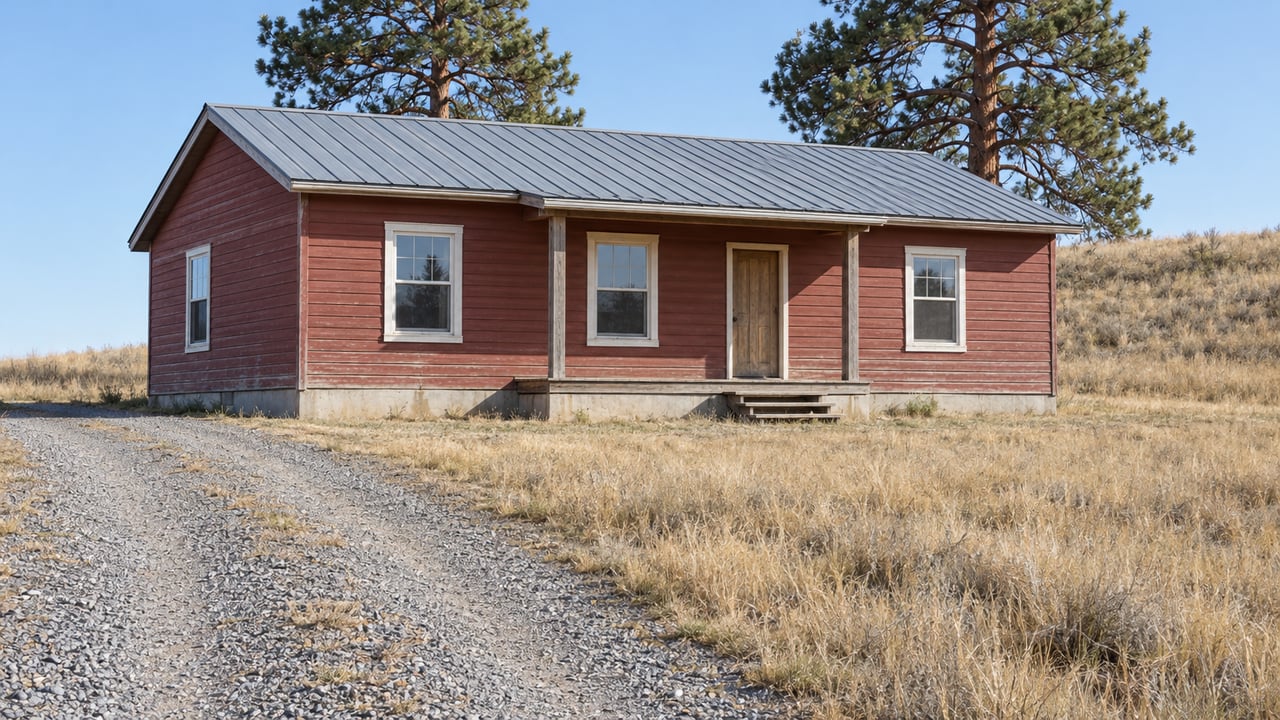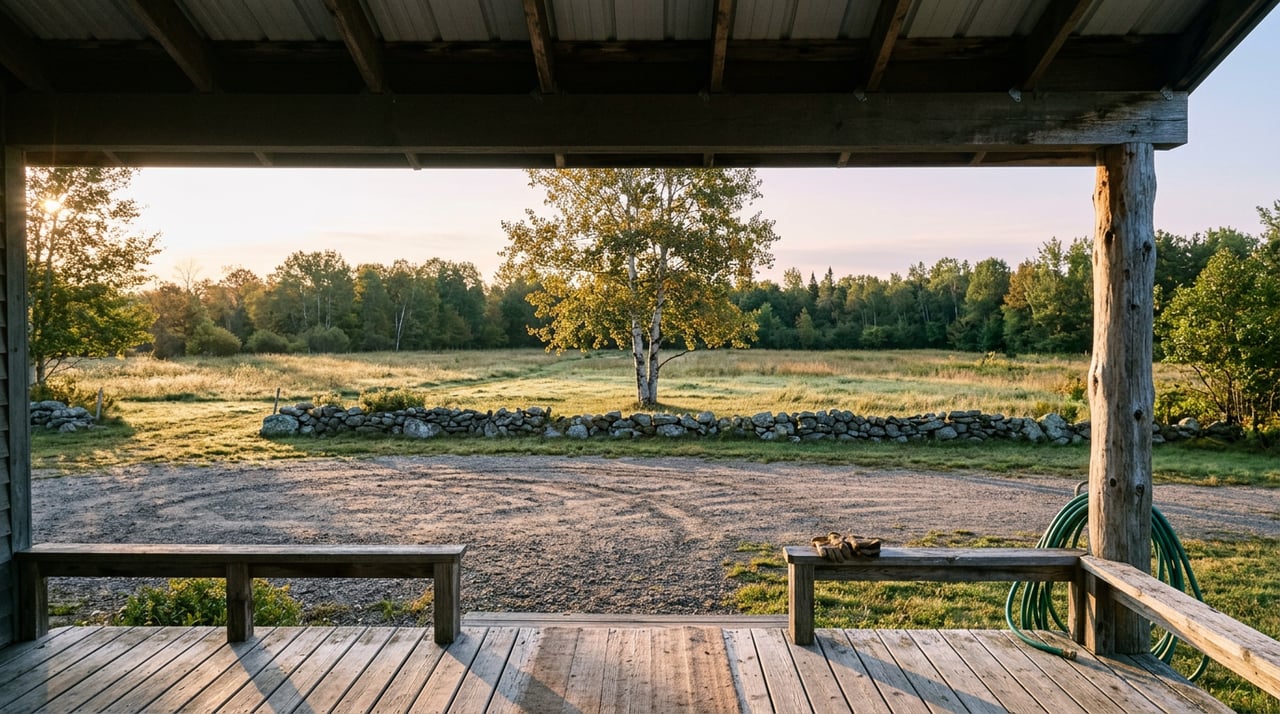
Dreaming about casting a line at sunrise or glassing a ridge at dusk minutes from Livingston? It’s easy to fall for a view, but the right recreational parcel takes smart homework to avoid surprises. In this guide, you’ll learn how to vet access, water rights, wells, septic, utilities, seasonal risks, and hunting and fishing realities specific to Park County. You’ll walk away with a simple checklist and the exact local resources to verify each point. Let’s dive in.
Why Livingston draws land buyers
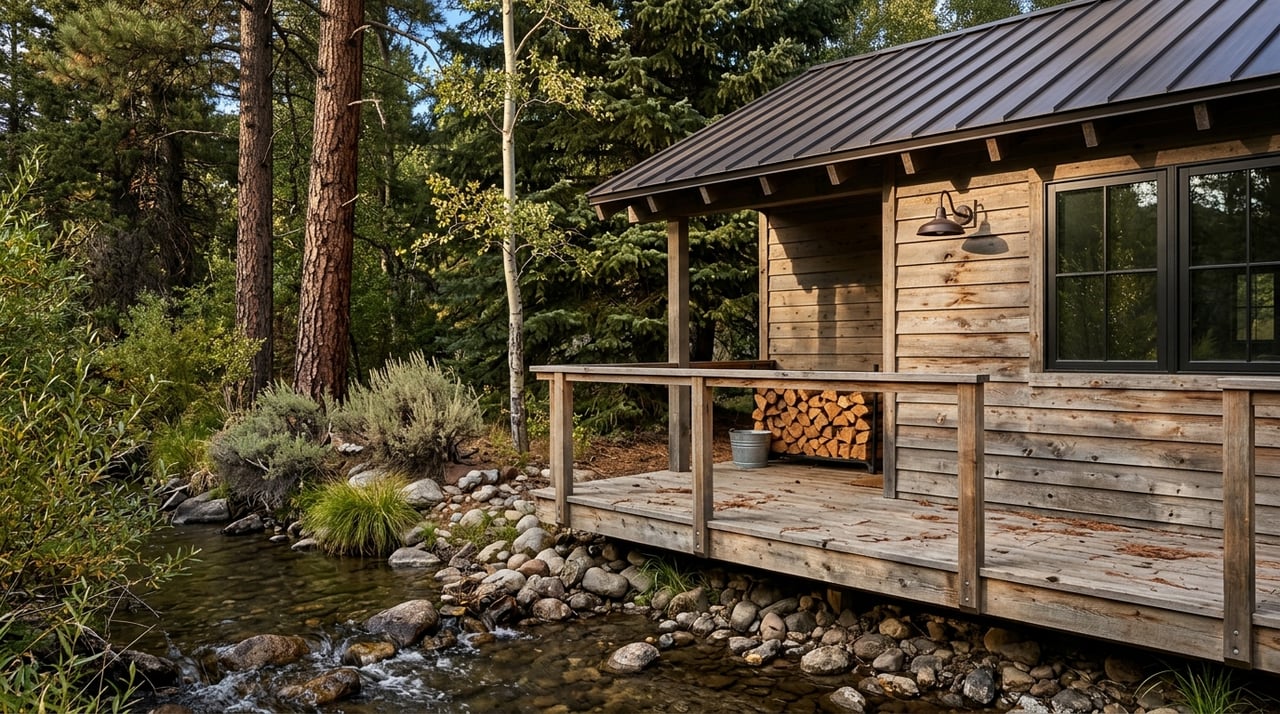
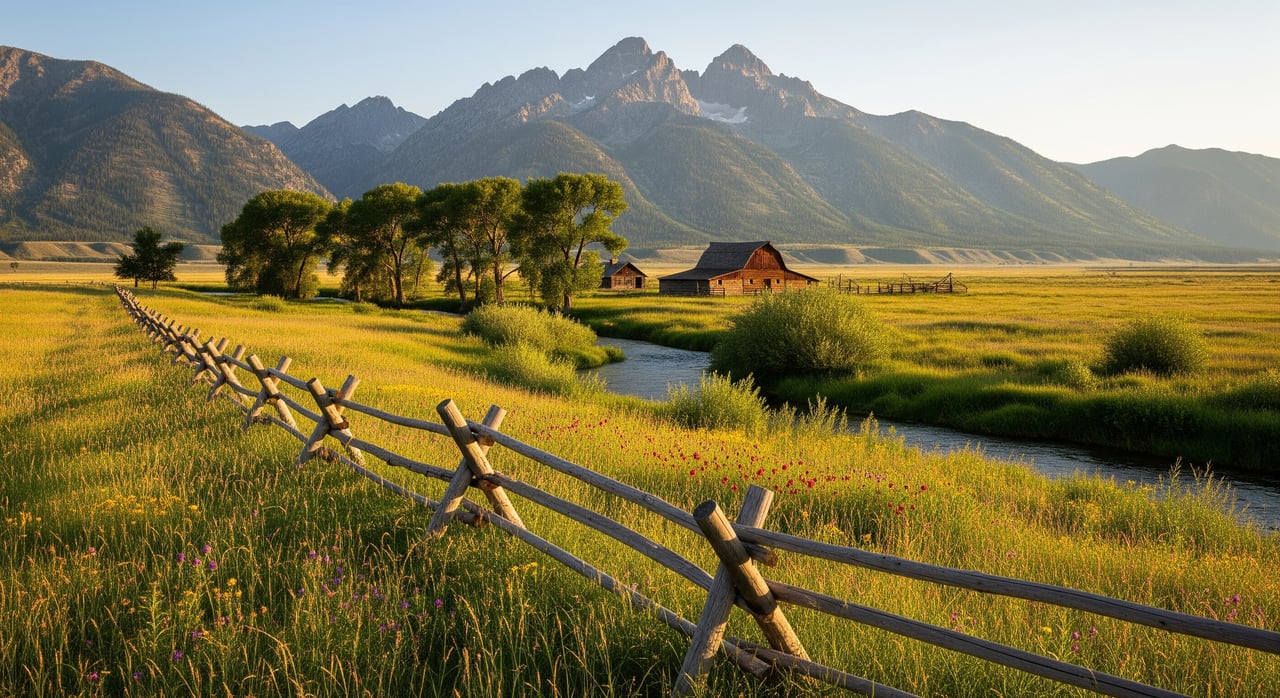
Livingston sits on the Yellowstone River with quick reach into Paradise Valley and trailheads in the Absaroka range. You can put in a boat at local access points, hike into Forest Service country, or spend a quiet weekend on your own ground. That mix of river and mountain access creates steady demand for river-adjacent and mountain-front parcels. If you want a weekend base for fishing, rafting, hiking, or a short hunting trip, this area checks the boxes.
Start with access: roads and rights
Never assume a drivable path means legal access. Confirm whether the approach is a public or county-maintained road, a private road with a recorded easement, or just a track across private land. Ask for the recorded easement document and any road maintenance agreement, and have title or a surveyor confirm that the easement is clear and complete.
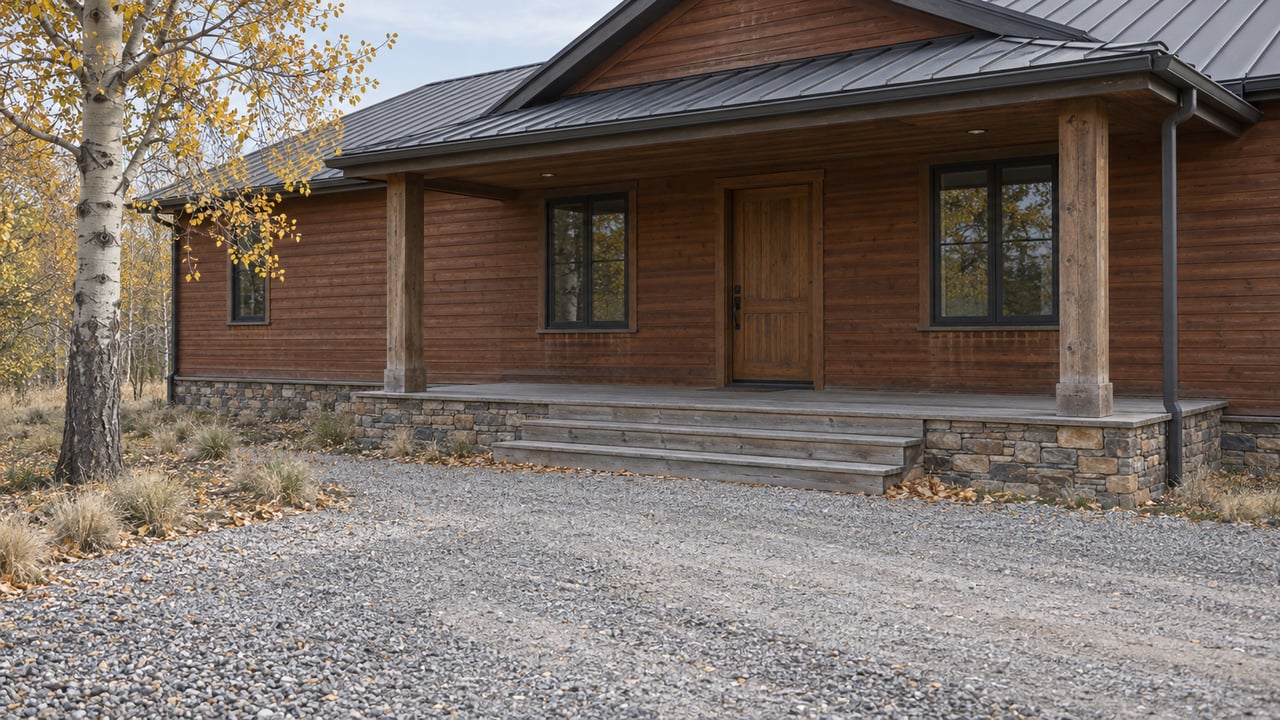
Plan for seasons. Many rural roads are unplowed in winter and can be muddy during spring runoff. Ask who plows, whether any bridges or fords are usable year-round, and what it takes to install or improve a driveway. County planning, zoning and Road & Bridge contacts can explain road status and driveway-permit needs.
Understand water: rights, wells, and use
In Montana, water rights are separate property interests. A riverfront parcel does not automatically include a water right, and a well log is not a water right by itself. Search the state system for any rights tied to the parcel and confirm whether your intended use fits the existing right.
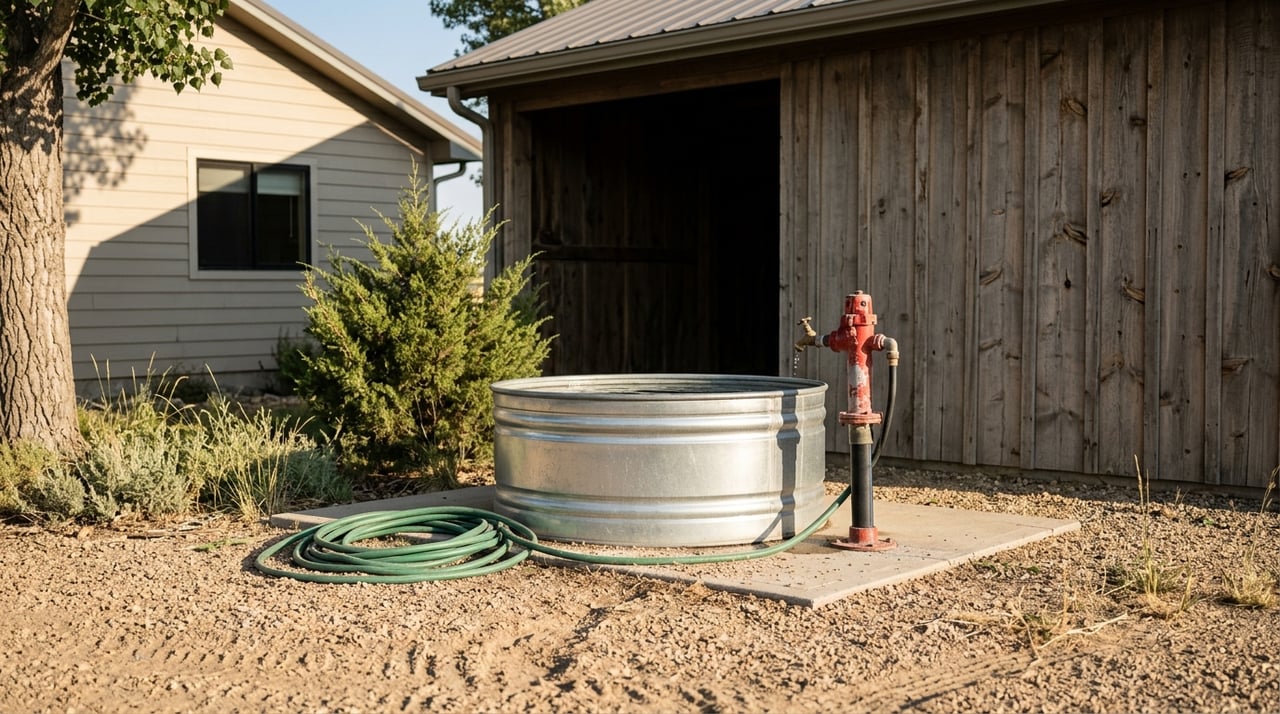
For wells, get the well log and arrange testing for yield and water quality. Many domestic wells are considered exempt for limited uses, but they still follow state rules. If you plan irrigation or livestock water, confirm that the current right allows it or whether a new appropriation is required.
Plan for septic early
Most rural parcels rely on on-site wastewater systems. Montana’s DEQ standards guide system types and sizing based on soils, setbacks, and use. Ask for an existing county septic permit and site evaluation or hire a professional to complete one before you buy. If soils require a mound or advanced system, budget accordingly.
Power and connectivity
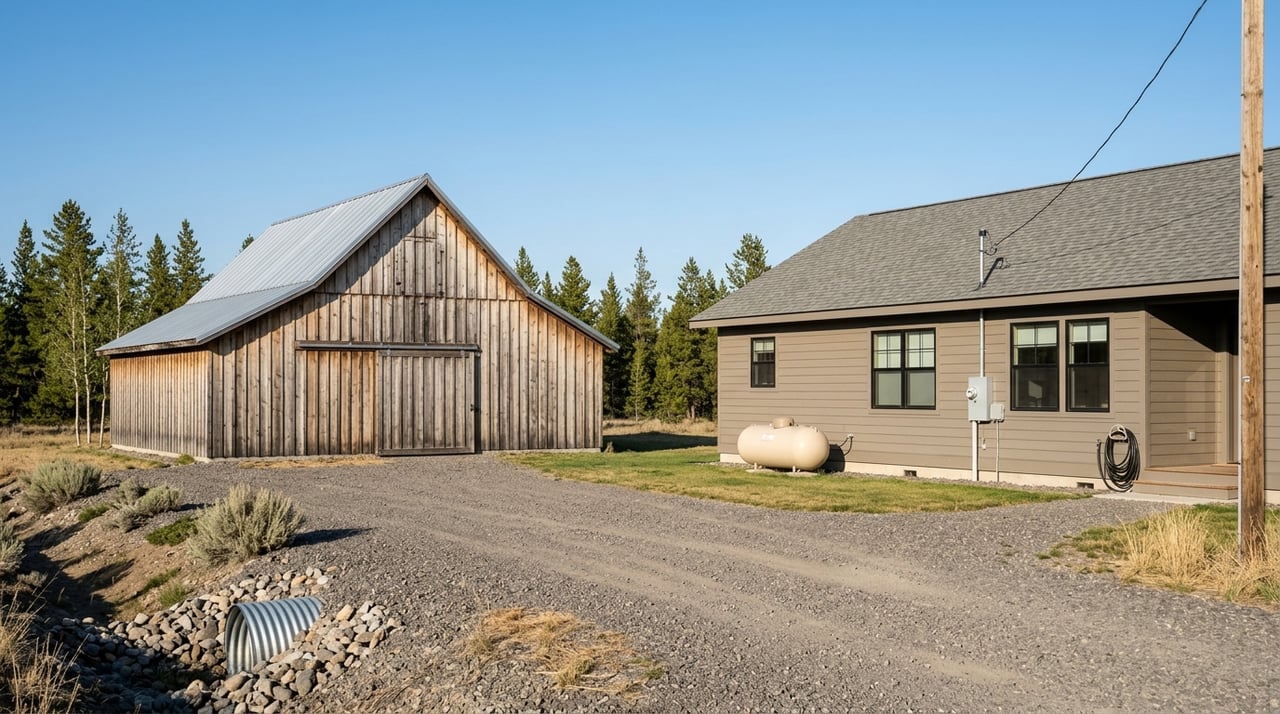
NorthWestern Energy is the primary electric utility in the region. Before you write an offer, confirm where the nearest power is, what a line extension might cost, and whether you need a transformer or new poles. Inside city limits you may have municipal water and sewer. Outside town, expect private well and septic plus potential generator or solar planning.
For remote work, check internet and cell by exact address. Options vary from cable and fixed wireless to 5G home internet and satellite. Test cell signal onsite and line up at least two realistic options so you have a backup.
Rules that shape use: CC&Rs, HOAs, and zoning
Recorded covenants and HOA rules can limit camping, RV parking, outbuildings, and short-term rentals. Always request the subdivision plat, any certificates of survey, and all CC&Rs that apply to the parcel. Park County’s zoning framework also includes specific districts with their own standards that can affect minimum lot size, setbacks, and permitted uses. Make sure your plans match the rules before you commit.
Minerals, conservation, and public land adjacency
Mineral rights can be reserved by a prior owner, and conservation easements may limit building envelopes or future subdivision. Ask the title company to confirm mineral reservations and recorded easements. If the parcel touches public land, verify exact boundaries and access points, then decide how that adjacency fits your privacy and recreation goals.
Hunting, fishing, and access realities
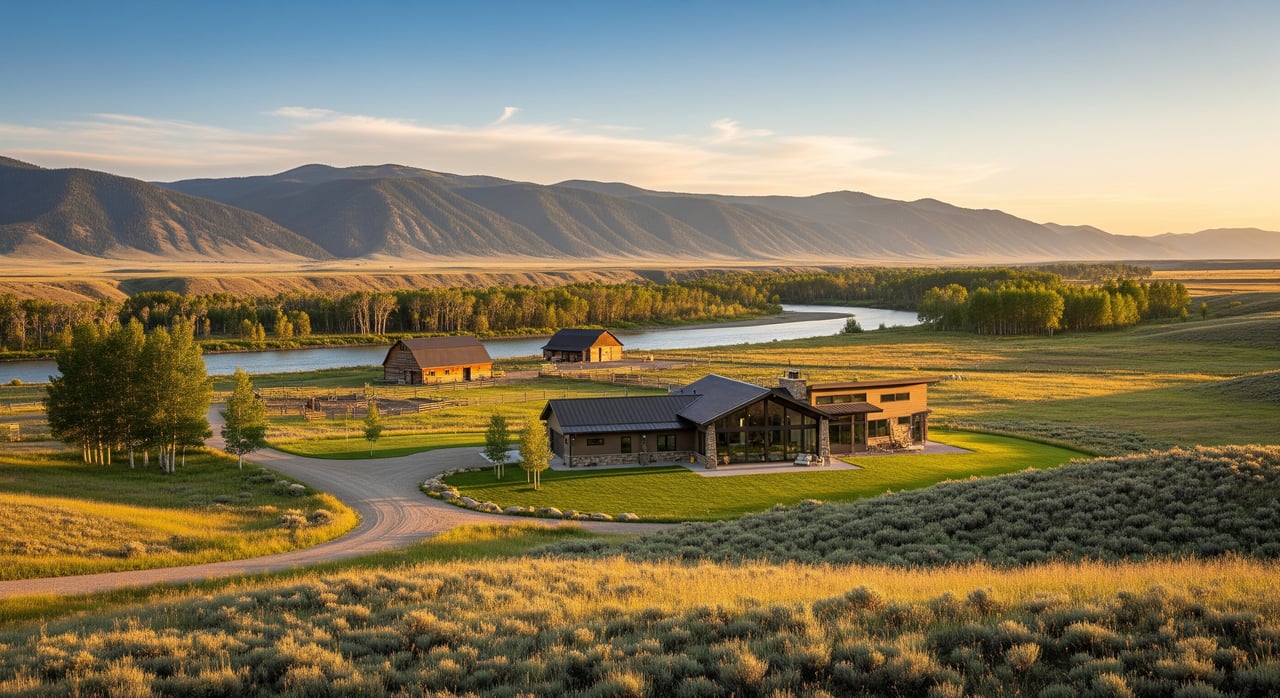
Montana’s Stream Access Law allows public recreation in rivers and streams up to the ordinary high-water mark. It does not allow crossing posted private land to reach the water without permission. Many local Fishing Access Sites make floating and wade fishing convenient, but know where your property line stops and where public rights begin.
For hunting, some private lands participate in the state’s Block Management Program, which offers managed public hunting access. Rules vary by property and season. Verify whether your parcel is enrolled or excluded, then plan your expectations and guest access accordingly. Always check the current wildlife management unit and season dates before heading out.
Seasonal hazards you should plan for
Flooding and rivers
The Yellowstone and its tributaries can rise during spring runoff. Parcels in mapped floodplains can face building restrictions, higher insurance costs, and potential mitigation needs. Pull the property’s FEMA flood map panel and ask the county about any floodplain permits, elevation requirements, or recorded flood history.
Winter access and snow
Private roads, steep grades, and shaded cuts can ice up and stay that way. Ask who maintains the road and what you will pay for snow removal. If a creek ford or bridge sits on your route, confirm it works through winter and high water.
Wildfire and emergency services
Mountain-front and timbered parcels can carry higher wildfire risk. Ask the local fire authority about coverage, defensible-space expectations, and response times for your exact location. Good planning for access, fuels reduction, and water availability will improve both safety and insurability.
Wildlife and working landscapes
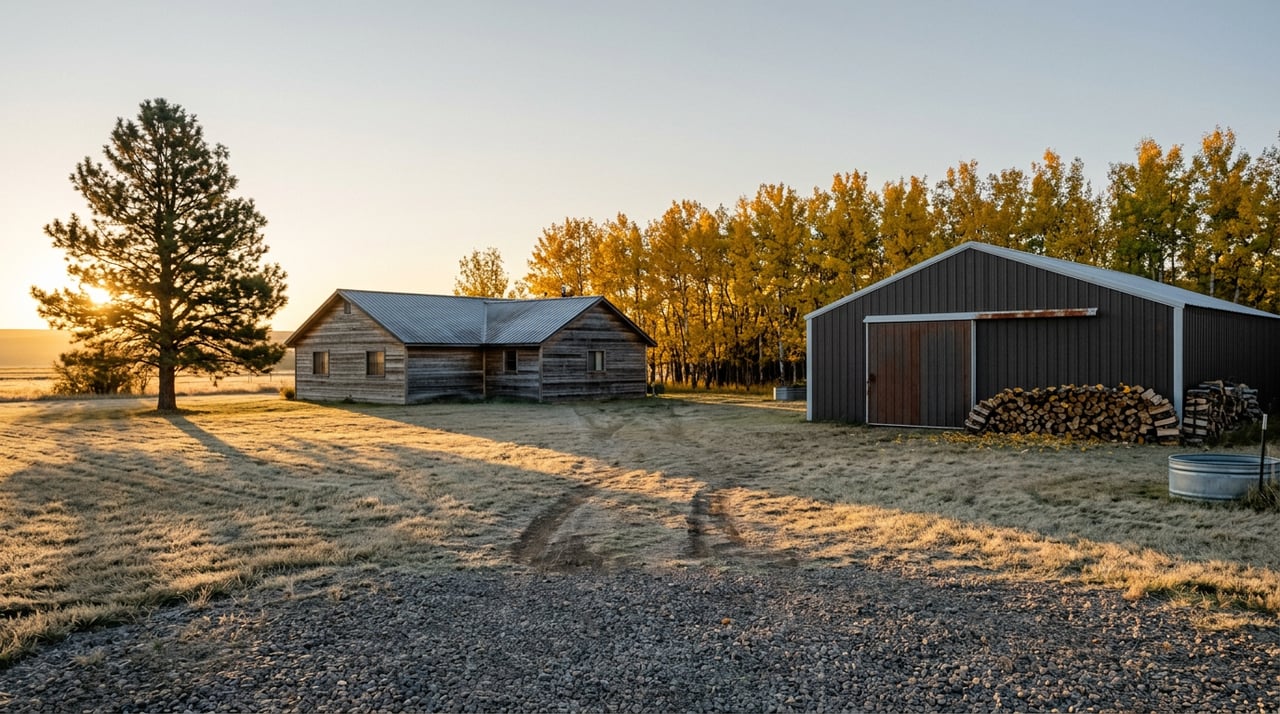
Expect seasonal wildlife movement and ranch operations nearby. Calving, lambing, and big-game migration can change traffic patterns and neighbor activity. Mosquitoes can spike near runoff and wetlands in early summer, and deep cold can limit weekend access in winter. Visit the parcel in more than one season so you know what daily life will feel like.
Your step-by-step due diligence
Review records and maps. Start with county documents, flood maps, and state databases for water and wells.
Request seller documents. Ask for easements, CC&Rs, septic permits, well logs, surveys, and any road agreements.
Order title and survey. Have a title company and surveyor confirm boundaries, easements, mineral reservations, and encroachments.
Inspect onsite. Walk the parcel, test the well and pump, schedule a septic site evaluation, and inspect access during different seasons if possible.
Budget and plan. Price out utilities, road work, culverts, gates, and any off-grid needs so you enter escrow with clear numbers.
Quick Livingston land checklist
- Title, plats, and CC&Rs: Search recorded documents through the Park County Clerk & Recorder.
- Access, zoning, and driveway permits: Review county maps and contacts on Park County Planning.
- Water rights: Confirm any rights with the DNRC’s guidance and query tools in Understanding Water Rights.
- Well logs: Pull construction details and historic data in MBMG’s Ground Water Information Center.
- Septic and system types: Review Montana DEQ standards in DEQ Circular DEQ-4.
- Flood risk: Check FEMA’s official panels at the Flood Map Service Center.
- Power service and extensions: Confirm provider details with NorthWestern Energy.
- Internet options: Check address-level availability on BroadbandNow’s Livingston page.
- Stream access rules: Read Montana’s law on the FWP page for Stream Access.
- Hunting access context: See the state’s private-land program under FWP’s Block Management.
How we can help
Buying recreational land in Park County is part lifestyle and part logistics. You deserve a guide who knows wells, water rights, access, and seasonal realities just as well as the best local spots to launch a boat. As a boutique, owner-led brokerage focused on rural, recreational, and ranch properties, we combine hands-on due diligence with polished marketing and deep local knowledge to help you buy with confidence. Ready to find your basecamp near Livingston? Reach out to Dayle Stahl to start a focused, no-pressure conversation about your goals.
FAQs
What does legal access mean for recreational land near Livingston?
- Legal access is a recorded right to travel across specific land, usually by public road or easement; do not rely on a visible track without confirming recorded documents and maintenance terms.
Do riverfront parcels in Montana include water rights by default?
- No. Water rights are separate property interests; you must verify any existing right and confirm your intended uses through state records.
How do I check flood risk on a Yellowstone River parcel?
- Pull the FEMA flood map panel for the property and ask Park County about local floodplain permits, elevation requirements, and any restrictions.
Can I camp or park an RV on my Park County parcel?
- It depends on recorded CC&Rs, HOA rules, and county zoning; review all governing documents and county standards before planning regular camping or RV use.
Is reliable internet realistic for remote work on rural land?
- Yes in many cases, but it is address-specific; check cable or fixed wireless options, test cell coverage, and keep satellite as a backup plan.
What should hunters know about using or accessing private land?
- You must follow Montana’s Stream Access Law, respect posted boundaries, and confirm any Block Management enrollment or landowner permissions before hunting.