Thinking about selling a few acres near Park City? You’re not alone. Small acreage in Stillwater County attracts a unique mix of buyers, and the right prep can add real value. In this guide, you’ll learn what drives price, how to organize water and access documents, and the best way to market and close with confidence. Let’s dive in.
What drives value near Park City
Small acreage sales in south‑central Montana are not one‑size‑fits‑all. Value depends on proximity to towns and highways, reliable access, water rights or irrigation, and the condition of any home or outbuildings. Views, buildable area, and mineral rights status also matter.
Buyer interest tends to come from four groups. Working ranch and farm buyers look for water rights, productive pasture, fencing, and handling facilities. Hobby‑ranch and residential buyers focus on livability, privacy, and proximity to services. Recreational buyers care about access to public lands and usable terrain. Developers are less common unless your parcel sits close to a growth corridor with utilities and subdivision potential.
Seasonality affects showings. Spring and summer typically see more activity, while winter can highlight access issues. Expect longer time on market than urban homes, and plan showings when your property presents at its best.
Get your paperwork right
Strong documentation builds buyer confidence and protects your price. Start early so you can answer questions quickly during due diligence.
Water rights and wells
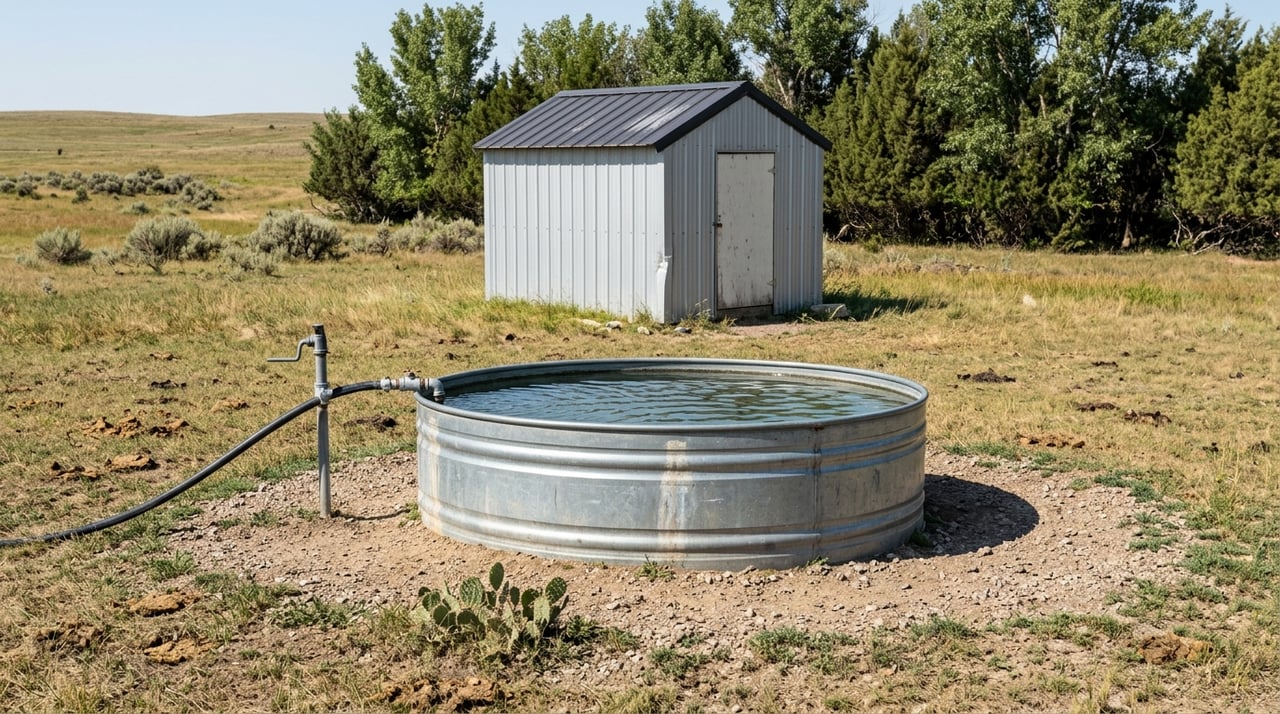
In Montana, water rights are separate real property rights administered by the state. Gather your water right abstracts, decree numbers, proof of historical use, and any ditch company shares or bylaws. If a well serves the property, locate well logs, permit numbers, and any pumping or water quality tests.
Ditch shares and irrigation
If your land benefits from a mutual ditch or irrigation system, assemble meeting minutes, assessment records, and any maintenance obligations. Clear records make your water story easy for buyers to understand and value.
Mineral rights and leases
Mineral rights may be severed from the surface. Disclose whether you own the minerals and whether any leases exist. Buyers commonly review title, request insurance, and weigh risk if minerals are reserved or leased.
Access, easements, and roads
Confirm whether access is via a county road or a private road. Locate recorded easements and any written road maintenance agreements, including cost sharing and plowing. If access crosses another parcel or has been informal, consult a surveyor and clarify before listing.
Where to find records
Key offices include the Stillwater County Clerk and Recorder for deeds, easements, and recorded documents, and the County Assessor for parcel data and tax classification. Water right abstracts and well records are with the state. Ditch company officers often hold share and maintenance records, and a local surveyor can help confirm boundaries.
Prep the land and improvements
Thoughtful preparation makes tours safer and the property easier to understand. It also reduces renegotiations later.
Access and roads
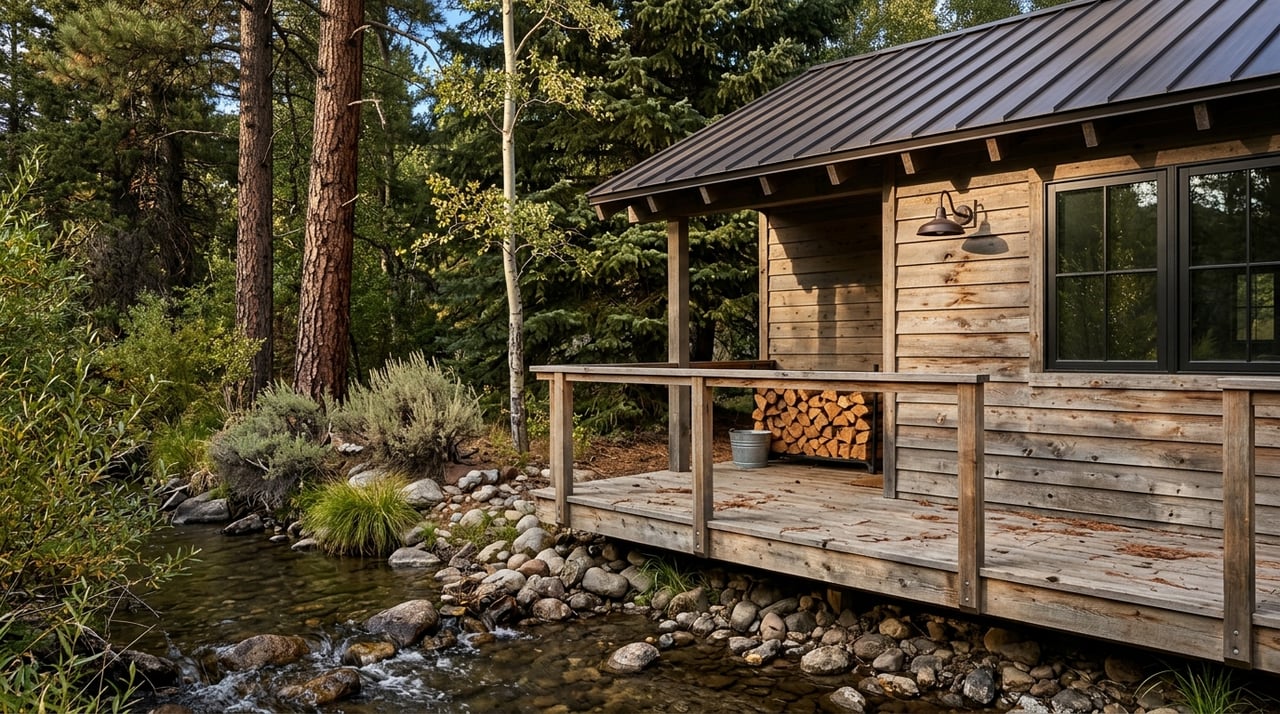
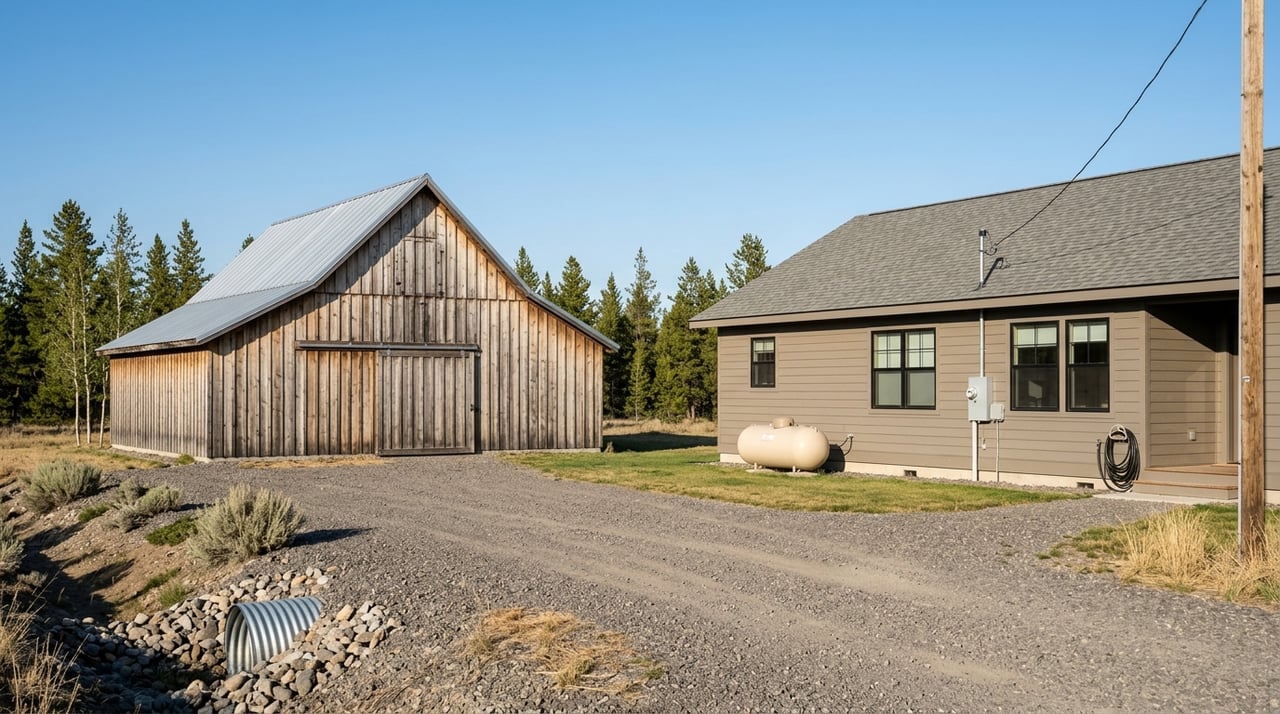
Grade rutted driveways, repair culverts, and verify gates and locks function. Post clear signage so visitors do not wander onto neighboring parcels. If you have a bridge or crossing, ensure it is safe for typical showing vehicles.
Outbuildings and fencing
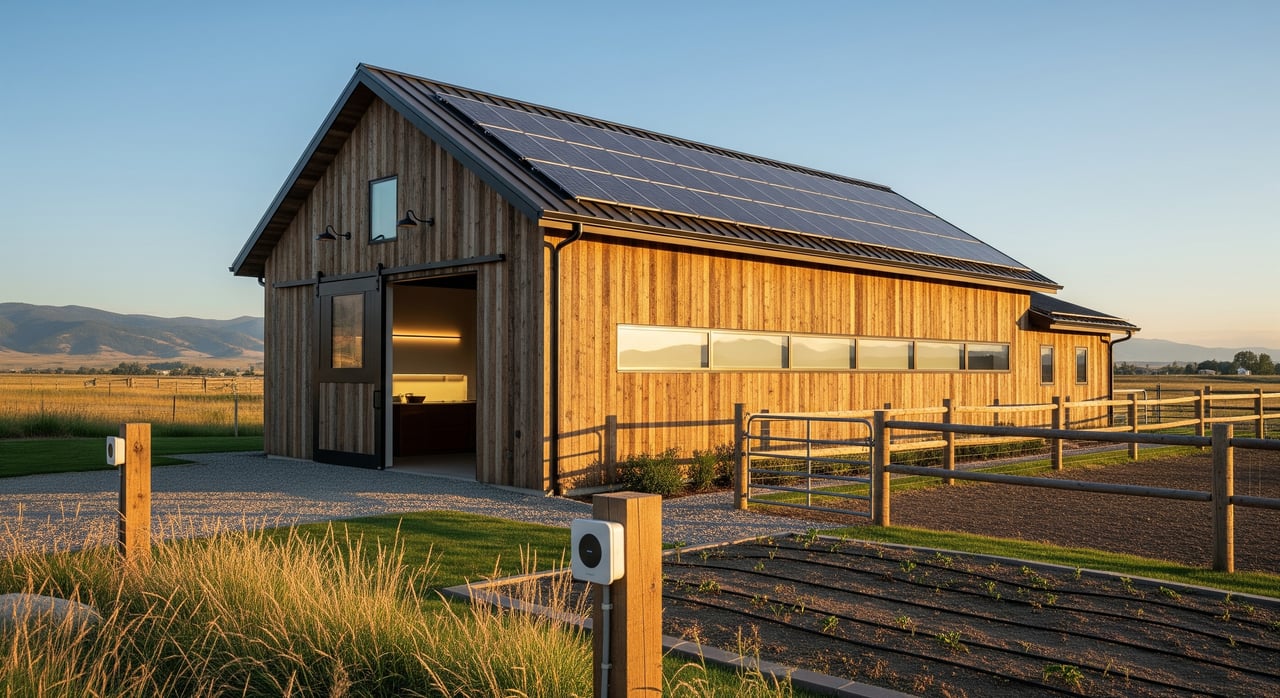
Repair roofing, doors, and obvious safety issues in barns, shops, and corrals. Tighten or replace broken fencing and mark corners where practical. If a structure is not habitable or needs work, note that up front to set proper expectations.
House and septic
If there is a residence, make it livable and ready to show. Keep utilities on and organize permits or inspection reports for the septic system. Many buyers will request proof the system is permitted and functioning according to local rules.
Environmental and floodplain
Check whether any portion of the property lies in a Special Flood Hazard Area. If you anticipate development or lot splits, consider whether wetlands or conservation easements apply. Recorded easements and restrictions should be disclosed in your listing materials.
Pricing and marketing strategy
Acreage pricing varies widely. Focus on the factors buyers pay for most in this area: water and irrigation potential, access, improvements, proximity to services, and views.
Pricing approaches
Use a blend of comparable sales, income potential if grazing or leasing applies, and replacement cost for improved properties. Expect negotiation on price and terms, and decide up front whether you will consider seller financing to widen the buyer pool.
Marketing that works for acreage
High‑quality photography and drone imagery are essential. Maps that show parcel boundaries, topography, irrigation features, and proximity to public lands help buyers visualize use and access. Share a clean, well‑organized property packet so buyers can review water rights, access, and improvements before touring.
Staging and showings
Plan showings to highlight seasonal strengths. Green, irrigated pastures read well in late spring and early summer. Use field signage and clear parking instructions. Appointment‑only showings protect livestock, property, and privacy.
Seasonality and timing
Plan for more activity in warmer months, especially for out‑of‑state hobby‑ranch and recreational buyers. Winter showings can still work but may spotlight snow and access conditions. Keep driveways plowed and walkways safe.
Financing and deal terms
Rural buyers often use conventional loans, USDA Rural Development loans if eligible, portfolio loans, or cash. Lenders will look at access, water, and septic. Organized documentation can speed underwriting.
Seller financing option
Offering seller financing can attract qualified buyers who need flexibility. If you pursue this route, document terms carefully and involve legal counsel.
From offer to close
Clarity at each step helps you avoid delays and protect your net proceeds.
Typical timeline
Give yourself 2 to 6 weeks pre‑listing to gather documents and address known issues. Marketing to accepted offer can take weeks or months depending on season and property type. Due diligence often runs 30 to 45 days and includes inspections, title, water, well, septic, and survey review.
Title, survey, and insurance
A title search helps uncover easements, liens, or restrictions. Title insurance is common, though rural policies can include exceptions buyers will want to understand. A current boundary survey is often requested, especially if lines are unclear or the parcel is newly created.
Avoid common pitfalls
Unclear access and unrecorded easements can cut offers or stall a sale. Missing or inaccurate water documentation can complicate financing. Mineral reservations or active leases affect price and risk. Unpermitted improvements or failing septic systems may need attention before closing. Confirm county subdivision rules before attempting to sell off pieces of a larger tract.
Seller checklist: small acreage near Park City
- Gather deed, legal description, and recent tax bill.
- Locate a recorded survey or plat; order a survey if boundaries are unclear.
- Request water right abstracts and well logs; assemble ditch company documentation.
- Confirm mineral rights ownership and any active leases.
- Compile easements, road agreements, and recorded access documents.
- Secure septic permits and pump or inspection records; add potable water tests if applicable.
- Repair major access issues and obvious safety hazards in outbuildings and corrals.
- Prepare professional photos, drone images, and parcel maps with boundaries and topography.
- Choose a broker experienced in land and acreage; build a concise property information packet.
- Anticipate a buyer due‑diligence period and be ready to provide documents promptly.
Why work with a boutique Park City broker
Selling acreage is different from selling a city home. You want a broker who understands water rights, ditch systems, access, and how buyers evaluate land in Stillwater County. You also want premium presentation and targeted outreach that reaches local ranchers, regional hobby‑ranch buyers, and recreational seekers.
With boutique, owner‑led service, you get direct access to your broker and a marketing plan built for rural properties. That means high‑quality visuals, clear maps, organized documentation, and distribution across MLS and land‑focused channels through an experienced network. The result is practical exposure and confident guidance from first call to closing.
Ready to talk strategy for your acreage near Park City? Connect with Dayle Stahl for a phone‑first consultation and Get a Free Home Valuation.
FAQs
How long does it take to sell small acreage near Park City?
- Time on market is typically longer than urban homes and varies by season, with more showings in spring and summer.
What documents do I need to sell acreage in Stillwater County?
- Start with deed, legal description, survey or plat, water right abstracts, well logs, ditch records, mineral status, access and road agreements, septic permits, and recent tax info.
How do Montana water rights transfer when I sell my land?
- Water rights are separate property rights administered by the state, and they usually transfer with the sale unless otherwise reserved in the deed.
Do I need a new survey before listing a rural property?
- A current boundary survey is often requested, especially if lines are unclear or the parcel was recently created, to avoid disputes and support financing.
Will floodplain or wetlands affect my ability to sell?
- Properties in Special Flood Hazard Areas may face insurance or lending requirements, and wetlands can limit buildable area or development potential.
Can I sell part of my land without going through subdivision?
- Selling multiple parcels or dividing land typically triggers county subdivision review or specific exemptions; verify requirements with county planning before proceeding.