Trying to choose between Bozeman and Livingston? You are not alone. Both offer mountain views, quick access to blue‑ribbon recreation, and strong appeal for remote workers. But the day‑to‑day rhythm, housing options, and travel convenience feel different. In this guide, you will get a clear, side‑by‑side look at costs, commute, internet, and outdoor access so you can decide which town fits your Montana lifestyle. Let’s dive in.
Quick snapshot: size, setting, access
Bozeman is the larger hub, with an estimated 57,894 residents, while Livingston is a smaller river town of about 9,021 residents, according to Census QuickFacts (July 1, 2024 estimates). You can review those figures in the Census tables for Bozeman and related metrics in the same source for context: Census QuickFacts.
The two towns sit only about 25–30 miles apart on I‑90. Under normal conditions, the drive is roughly 25–30 minutes, which makes hybrid commuting practical for many professionals. Check a typical route here: distance from Bozeman to Livingston.
Housing market at a glance
- Bozeman pricing baseline: Zillow’s Home Value Index for Bozeman was about 700,000 as of January 2026. Remember, ZHVI is an index, not a live MLS median, but it gives a good directional read on values. See the current Bozeman index here: Zillow ZHVI for Bozeman.
- Livingston listing snapshot: Realtor.com’s December 2025 window showed Livingston’s median listing price around 680,000 to 700,000, with average days on market often longer than Bozeman in the same periods, commonly 130+ days. Explore the city snapshot: Realtor.com Livingston overview.
- Stock vs. market prices: ACS owner‑occupied medians measure long‑term owner valuations rather than current listing prices. For Livingston, the ACS median owner value was about 392,000, well below recent MLS listing medians. This gap is normal in fast‑appreciating markets and helps explain why “what owners report” and “what the market asks” do not always match.
- Ownership mix: Bozeman’s owner‑occupied rate is lower than many Montana towns, about 44.7 percent per Census QuickFacts tables, reflecting a larger rental and student presence. You can review those ACS indicators in the Census QuickFacts tables.
Bottom line: Bozeman usually carries the higher price premium and the widest range of new construction and condos. Livingston often offers smaller‑town pricing on a per‑square‑foot basis, but inventory can be thin and seasonal.
Where you will live: housing types
Bozeman options
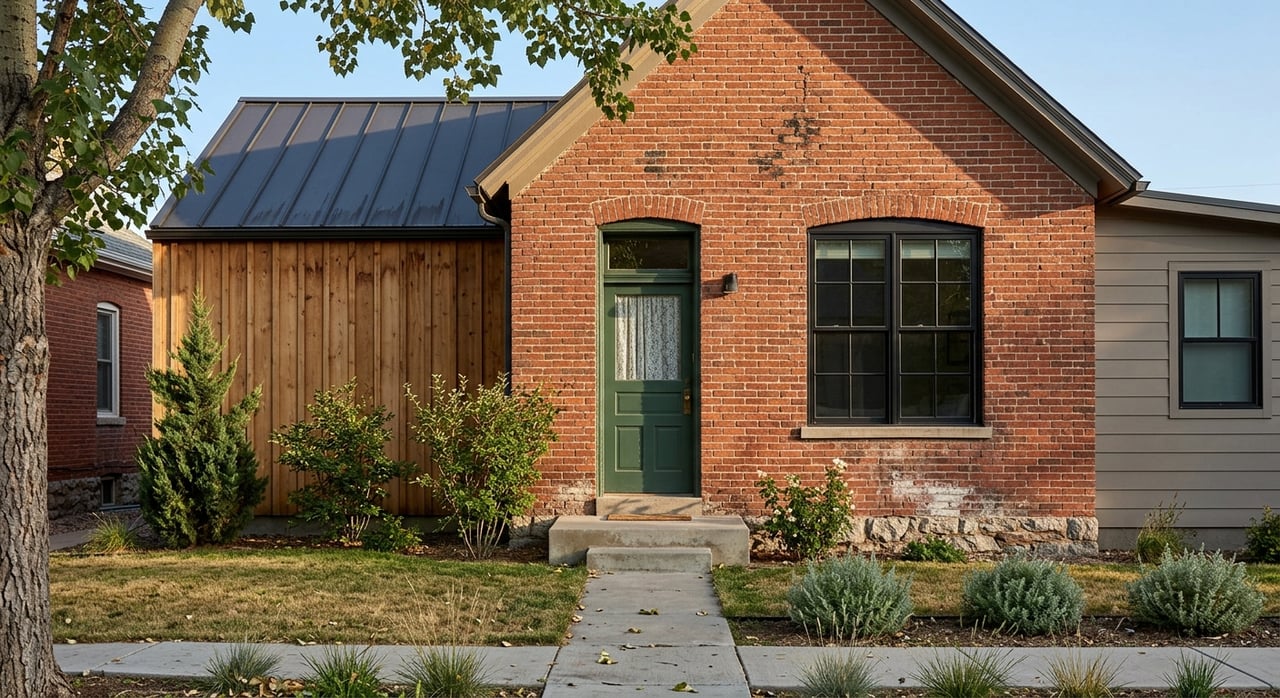
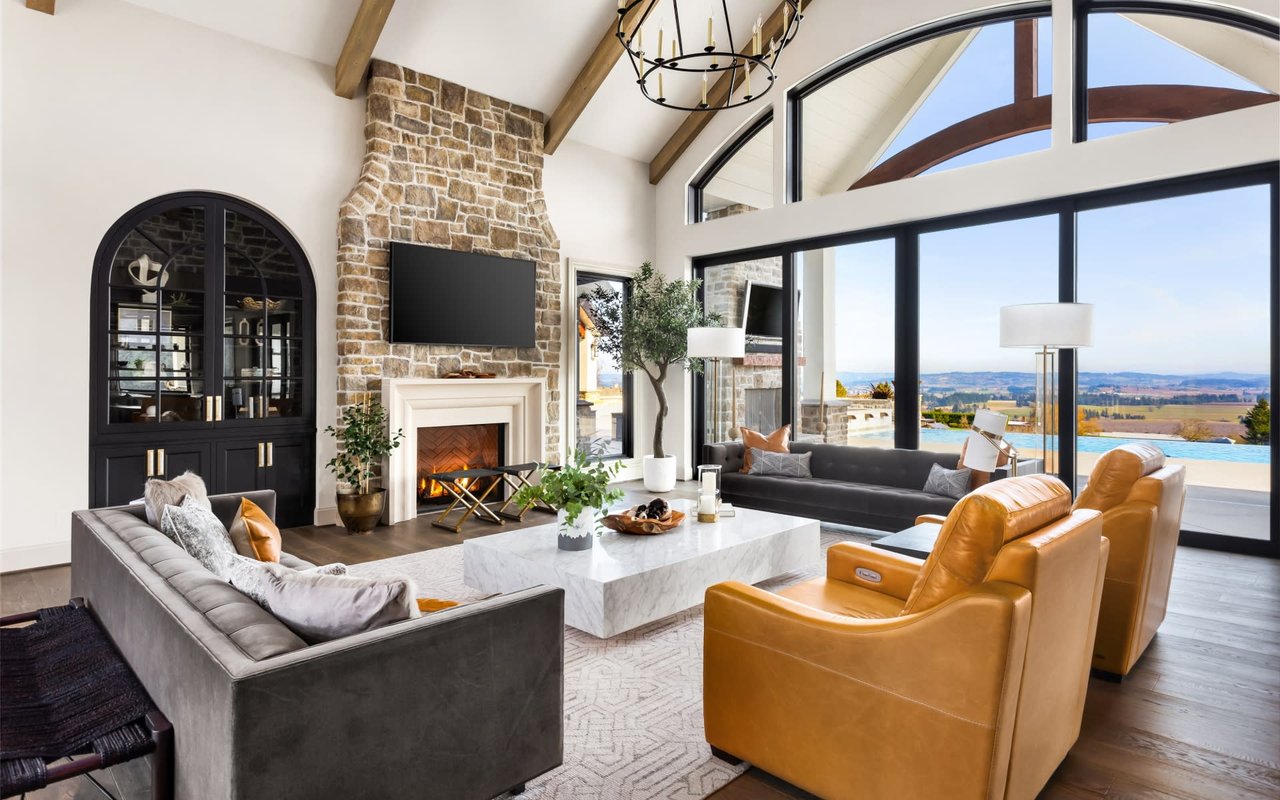
You will find a mix of historic bungalows and infill near downtown, established single‑family neighborhoods, townhouse and condo developments, and several active subdivisions at the city’s edge. The listing pool tends to be broader, from starter condos to higher‑end homes, which can make it easier to source a move‑in‑ready property at a given time.
Livingston options
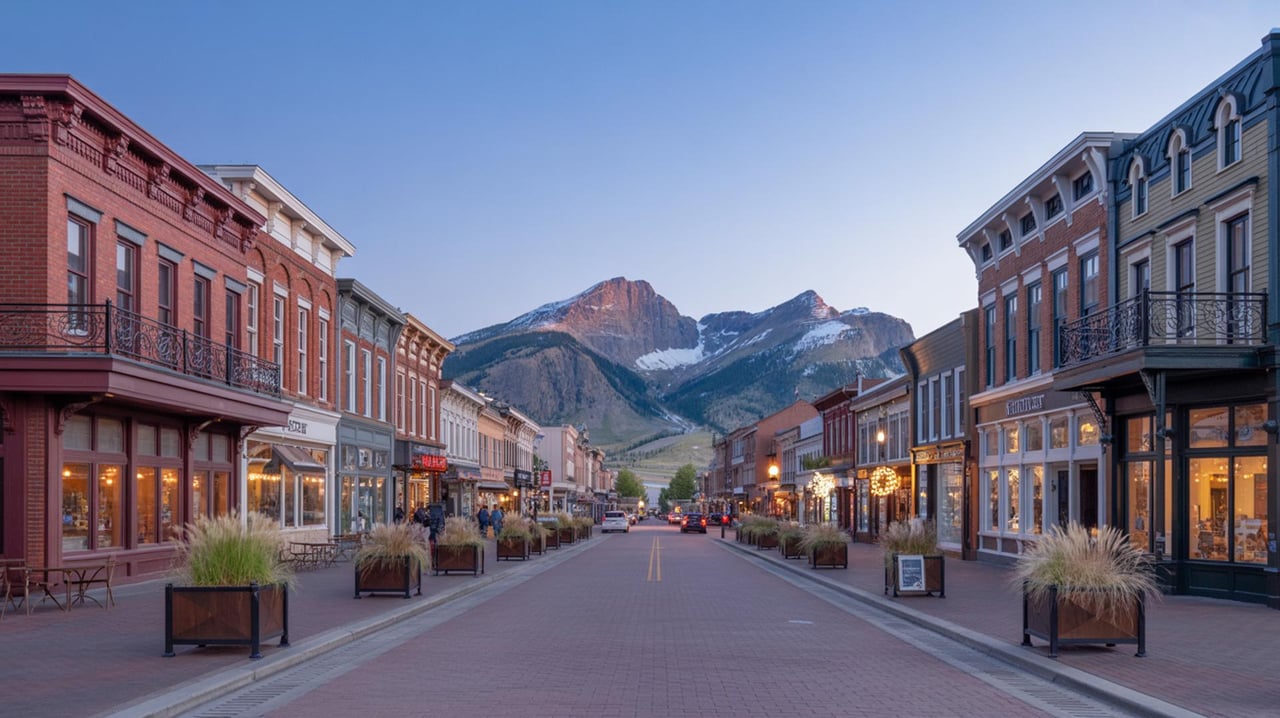
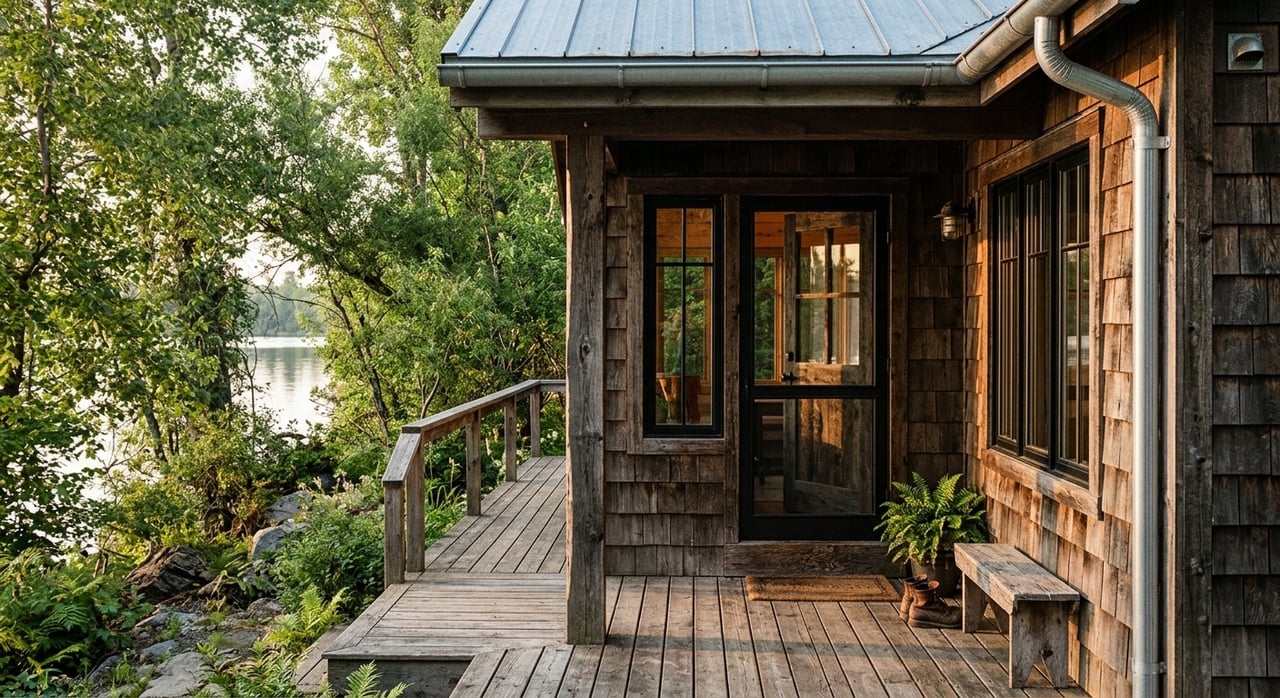
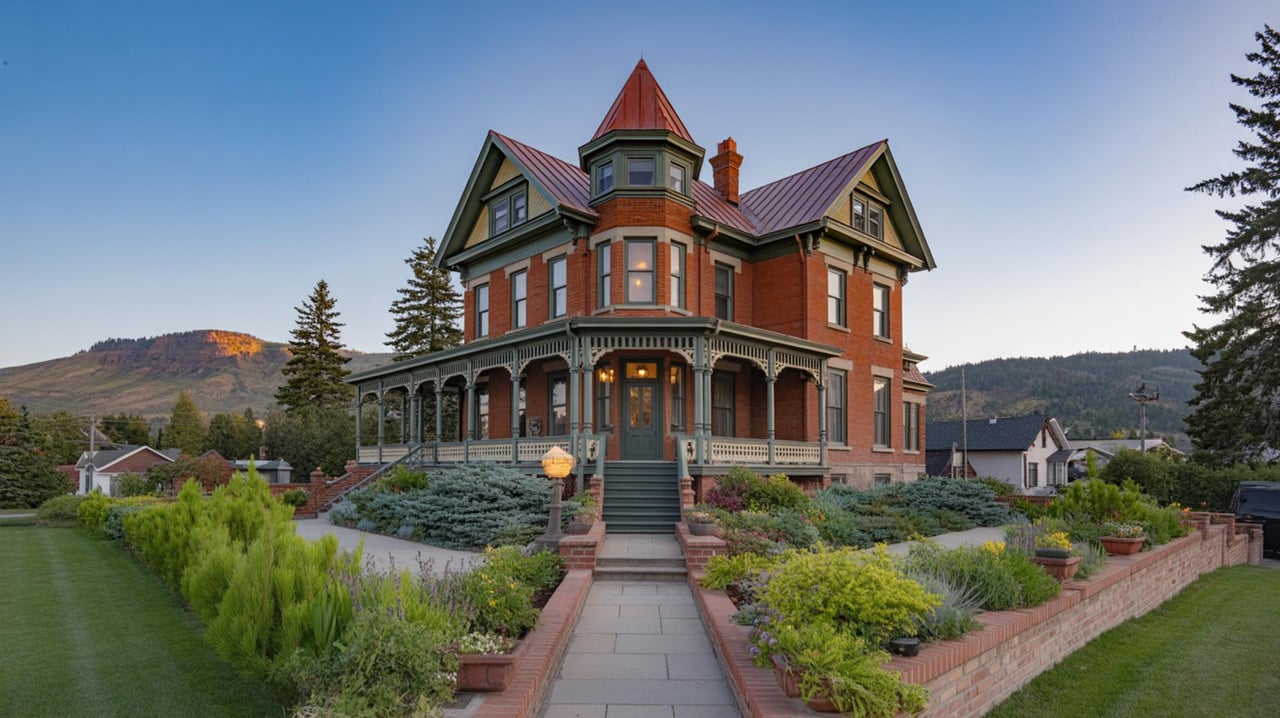
Livingston leans into character homes in a compact downtown grid, plus river‑oriented properties near the Yellowstone River. Just outside town, Paradise Valley and nearby communities offer acreage, small ranch settings, and mountain‑view parcels. Inventory is smaller, so standout opportunities can take patience to find.
Commute, hybrid work, and airport access
- Daily drive: The corridor between towns is short, about 25–30 minutes under typical conditions. Winter can add time, so plan buffers on hybrid days. For reference, see the route on distance-cities.
- Average travel times in town: People who work in Bozeman report a mean commute of about 15.5 minutes, while Livingston residents report about 25.5 minutes, per Census QuickFacts ACS tables. You can view those indicators here: Census QuickFacts.
- Flights: Bozeman Yellowstone International Airport (BZN) sits near Belgrade, roughly 12–20 minutes from downtown Bozeman, and about 30–45 minutes from Livingston depending on conditions. If you fly often, that extra 15–25 minutes each way matters. Learn more about BZN’s location and access in this airport overview.
Remote‑work readiness: internet and work spots
- Broadband availability: Both towns show high broadband subscription rates in ACS tables, above 90 percent of households. Bozeman typically offers more wired and fiber choices, while Livingston has a mix of cable, fixed‑wireless, and satellite within town limits. For address‑level details in Bozeman, compare providers and plans on BroadbandNow’s Bozeman page.
- Pro tip: If you rely on video calls or cloud backups, focus on upload speeds and latency. Verify service options at the address before you write an offer.
- Co‑working and quiet spaces: Bozeman’s larger downtown and university environment support more formal co‑working and café options. In Livingston, many remote workers rely on home offices, low‑key cafés, and occasional trips to Bozeman for team sessions.
Outdoor access: weekday vs. weekend
- Bozeman rhythm: Short after‑work hikes in Bridger Canyon or around Hyalite are usually 15–30 minutes from most neighborhoods. Bridger Bowl, the local ski area, is also commonly 15–30 minutes from downtown depending on route and traffic. See a local comparison of ski options in this Visit Bozeman overview.
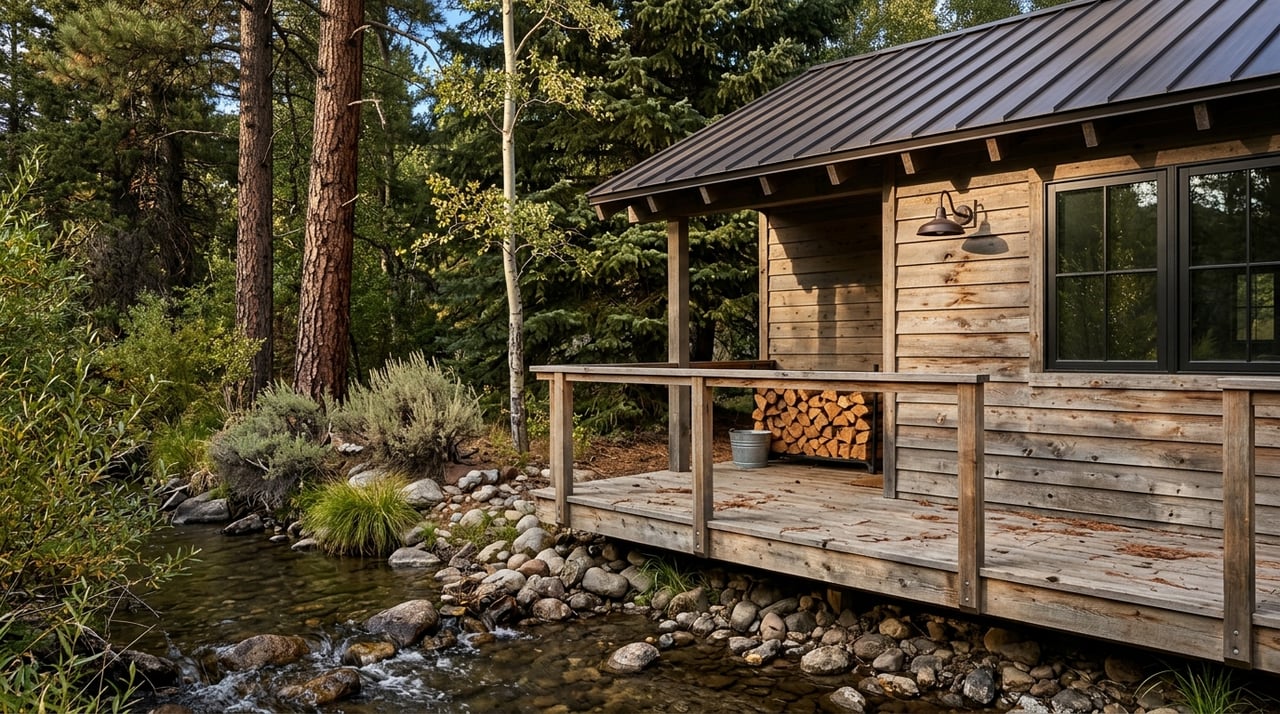
- Livingston rhythm: You sit right on the Yellowstone River with quick access to Paradise Valley and the North Entrance corridor to Yellowstone. If your weekends revolve around fly fishing, scenic drives, and river days, Livingston shortens those trips. Explore the scene through this Yellowstone River fly‑fishing resource.
In short, Bozeman makes weekday micro‑adventures easier, while Livingston shines for unhurried weekend immersion.
Market momentum and affordability pressure
Recent years brought strong in‑migration and steep price growth to the Gallatin Valley. Although inventory has improved and time on market has lengthened compared with the 2020–2022 peak, price levels remain well above many Montana towns. For context on the broader trend of migration and price pressure, see this reporting on regional shifts from the Financial Times.
Quick decision checklist
Use these questions to clarify which town fits you best:
- Work logistics: How many in‑person days per month do you need in Bozeman? If it is four or more, living in Bozeman or close‑in neighborhoods reduces friction. See typical drive times on the Bozeman–Livingston route.
- Flight frequency: Will you need frequent same‑day flights? Bozeman offers the fastest access to BZN. Review location details in this BZN overview.
- Internet demands: Do you need consistent low‑latency, strong upload speeds, or fiber? Bozeman generally has a broader mix of providers. Compare Bozeman options on BroadbandNow and verify service per address.
- Budget and property type: Are you chasing immediate affordability or acreage, or do you want short commute times and more urban amenities? Compare current listing medians for Livingston in this Realtor.com snapshot against the Bozeman ZHVI index on Zillow, and remember ACS owner values track long‑term owner stock.
- Lifestyle rhythm: Prefer short daily hikes, a larger dining scene, and quick ski access? Bozeman fits. Want a quieter riverside main street and easier Paradise Valley weekends? Livingston often wins.
Which town fits your Montana lifestyle?
Choose Bozeman if you want:
- The widest range of housing types, including more new construction and condo options.
- Shorter average in‑town commutes and the quickest access to BZN.
- Easy weekday outdoor time, from nearby trailheads to Bridger Bowl laps.
Choose Livingston if you want:
- A smaller‑town pace near the Yellowstone River and Paradise Valley.
- The potential for lower price per square foot within a tighter, more seasonal inventory.
- A home base that makes fishing, scenic drives, and park‑adjacent weekends effortless.
How a local broker helps you decide
If you are weighing Bozeman against Livingston, local, address‑level guidance is what turns “maybe” into a confident move. From verifying internet at a specific home to reading seasonal listing patterns, a hands‑on broker helps you match property, budget, and lifestyle without guesswork. If you are selling, premium marketing and accurate valuation bring serious buyers to your door.
Ready to talk through options or value your property? Connect with Dayle Stahl for a phone‑first, boutique consultation. Get a Free Home Valuation and a clear plan to move forward.
FAQs
How far is Livingston from Bozeman for commuters?
- Under typical conditions, the I‑90 drive is about 25–30 minutes for roughly 25–30 miles.
What are current home prices in Bozeman and Livingston?
- Bozeman’s ZHVI was about 700,000 in January 2026, while Livingston’s December 2025 median listing ranged about 680,000–700,000, with ACS owner values in Livingston around 392,000.
Is internet fast enough for remote work in both towns?
- Yes, ACS shows broadband subscription rates above 90 percent in both, with Bozeman offering broader fiber and provider choice and Livingston relying on cable and fixed‑wireless within town.
Which town works better for frequent flyers using BZN?
- Bozeman is typically 12–20 minutes from BZN, while Livingston is about 30–45 minutes, so frequent flyers often prefer Bozeman.
Where is weekday outdoor access easiest?
- Bozeman offers many trailheads and Bridger Bowl about 15–30 minutes away, while Livingston excels for quick access to the Yellowstone River and Paradise Valley on weekends.