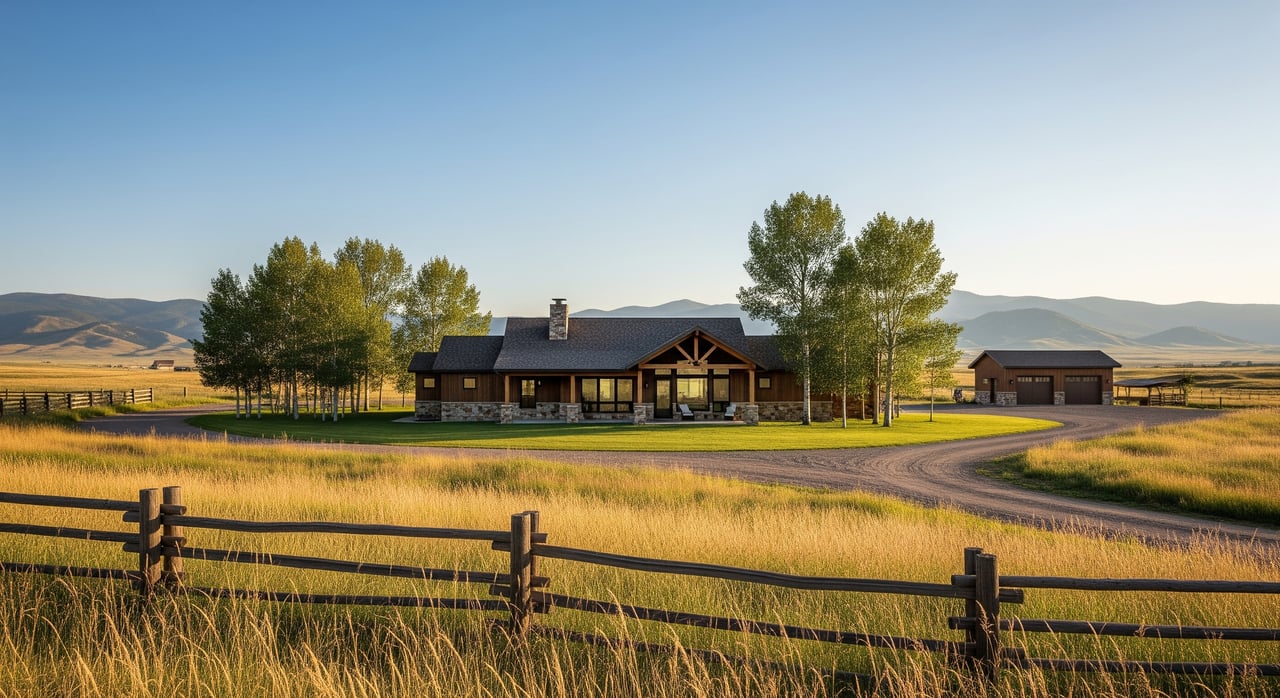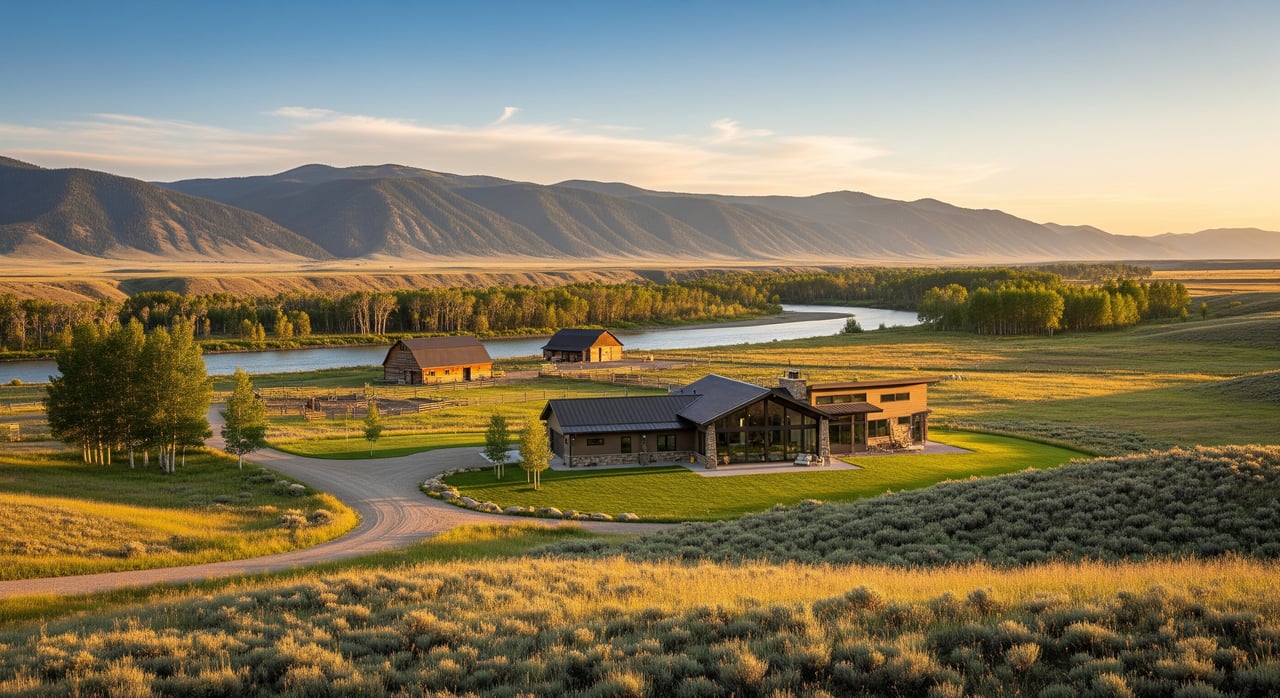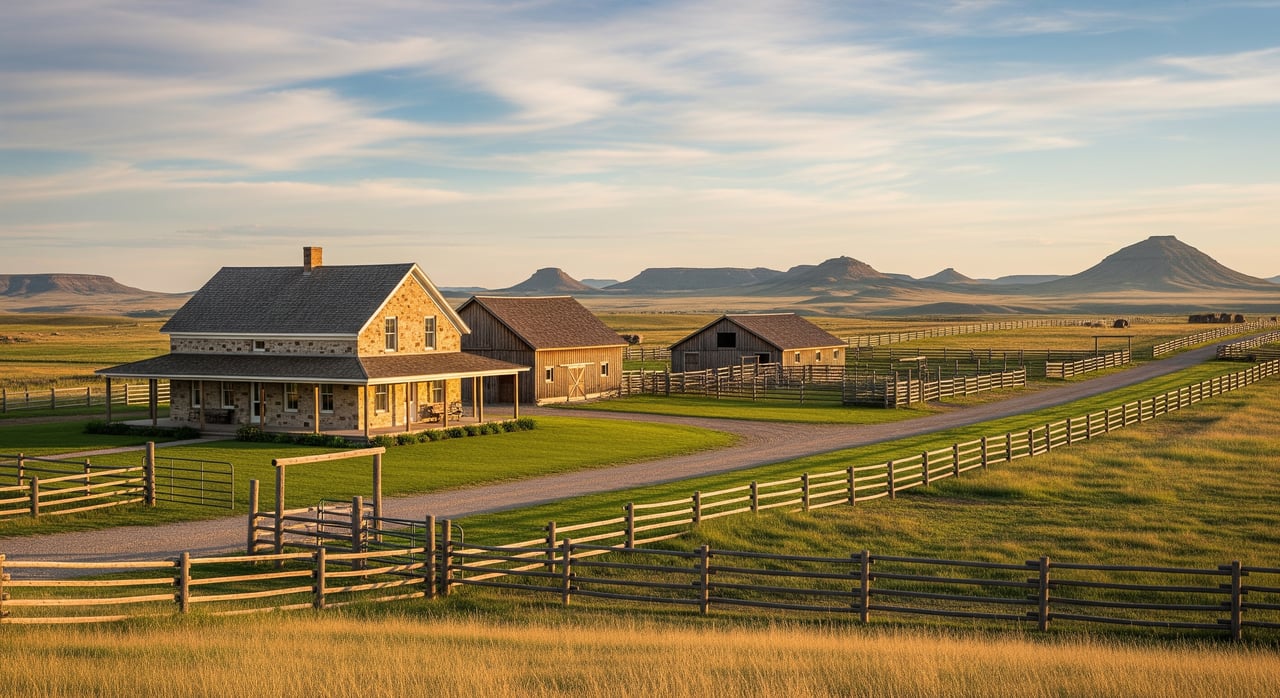
If you are looking at ranch land around Jordan, MT, the number of acres only tells part of the story. In a place where moisture is limited and ranching is tied closely to working ground, buyers tend to look past the headline acreage and focus on how the land performs. Understanding what drives value can help you make better decisions whether you are buying, selling, or simply trying to price a ranch realistically. Let’s dive in.
Why land value works differently here
Jordan sits in a dry, high-plains part of Montana. According to NOAA climate normals for the Jordan station, the area averages 13.45 inches of annual precipitation and has a mean annual temperature of 43.6°F. In practical terms, that kind of climate makes dependable forage and stock water a major part of any ranch buyer’s thinking.
The local ag picture supports that approach. The 2022 Census of Agriculture profile for Garfield County shows a large-acreage, livestock-oriented county with 2,325,298 acres in farms, an average farm size of 9,770 acres, and 1,898,375 acres of pastureland. Livestock, poultry, and related products made up 65% of agricultural sales, which helps explain why many buyers view ranches here first as operating land assets.
Productivity drives ranch value
Carrying capacity matters most
For many Jordan-area ranch buyers, the biggest question is simple: what can this land support? Montana values agricultural land based on production value rather than market value, and the Montana Department of Revenue explains that grazing land is measured in animal unit months per acre, while dryland farm land is measured in spring wheat bushels and irrigated land in alfalfa hay production. That framework shapes how buyers think about usable land on the ground.
This is why two ranches with similar acre counts can draw very different levels of interest. If one property offers stronger native range, better soils, or more stable forage production, buyers may see more value there because it supports more practical use. In this market, usable production often carries more weight than a broad per-acre comparison.
Range condition and soils affect value
The details under your boots matter. MSU Extension notes that soil surveys are used to estimate forage yields and livestock carrying capacity, which is why soils, slope, and range condition play such a big role in sale discussions. Buyers are usually asking how much of the ranch is truly productive, not just how much appears on a map.
That is especially important in Garfield County, where pastureland dominates and irrigated acres are limited. The county profile reports only 3,410 irrigated acres compared with 1,898,375 acres of pastureland, so the value conversation often starts with grazing potential and then moves to any dryland crop ground or hay production that supports the operation.
Water can create major premiums
Water rights are a due diligence issue
In a dry ranching county, water is not just a feature. It is a core value driver. The Montana DNRC states that a recorded water right is required for the majority of water uses to be valid, legal, and defensible against other users, which makes water-right documentation a key part of any ranch purchase review.
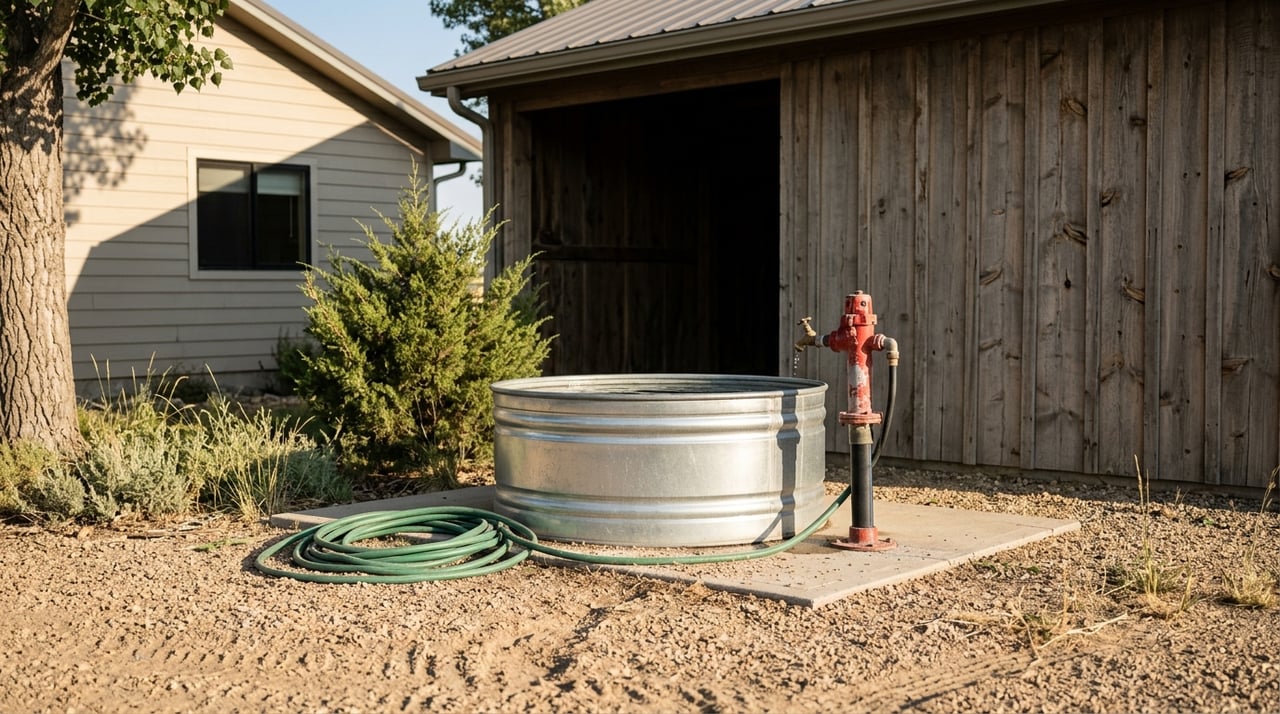
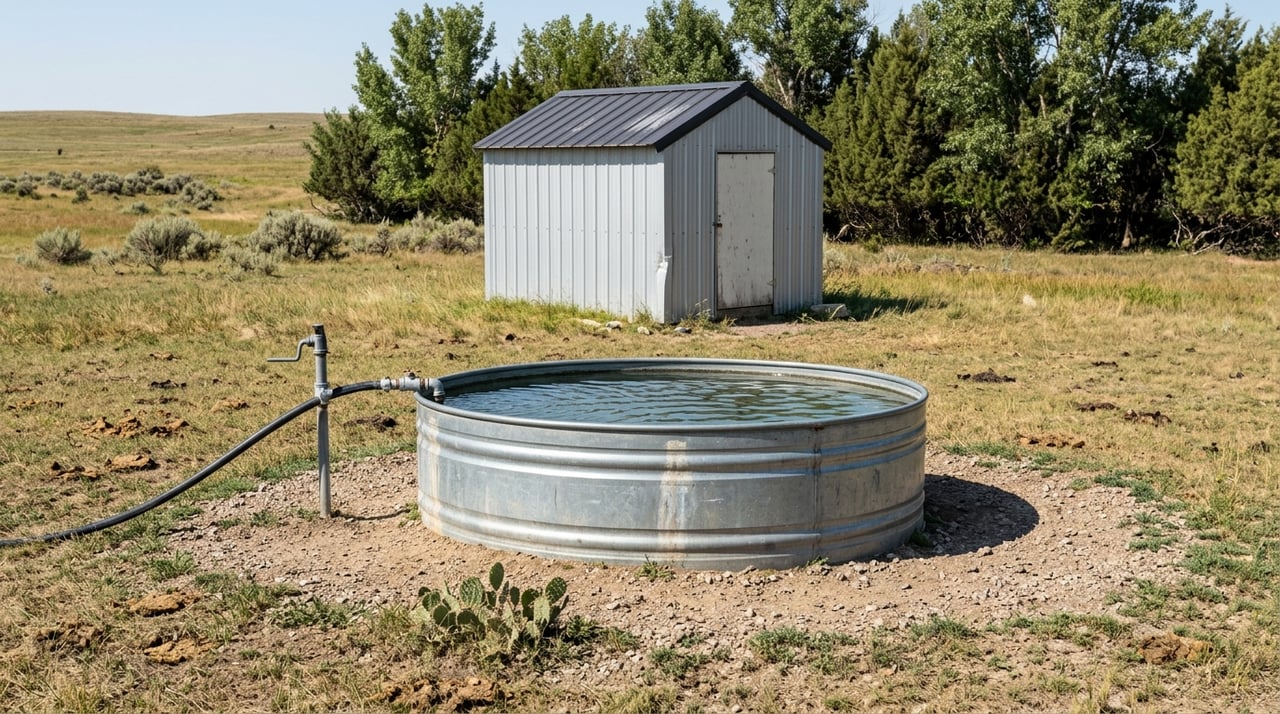
That means buyers often want clear answers about wells, springs, reservoirs, stock tanks, pipelines, pumps, and any irrigation setup. They are not only asking whether water exists. They are asking whether it is documented, reliable, and suited to the way the property is currently used.
Reliable stock water matters in Garfield County
Local conditions make reliability especially important. A 2019 NRCS long-range plan for Garfield County found that local respondents most often prioritized water development, fencing, grass planting, and grazing monitoring or rotation as ranch improvements. The same report notes that Big Dry Creek is often intermittent after mid-July, which highlights why dependable stock water can influence how buyers rank one ranch over another.
For buyers, dependable water can lower operational risk. For sellers, organized records and maps can make a property easier to understand and easier to defend on value.
Access shapes both use and marketability
Legal access needs to be clear
A ranch may have strong grass and water, but buyers will still look closely at access. The Montana DNRC guidance on easements explains that private access issues on private land sales are not handled by DNRC, and buyers are advised to work with the listing agent, title company, or an attorney when access across other private land is unclear. That makes recorded, understandable access a practical issue from the start.
In day-to-day ranch use, access is more than a legal line on paper. Buyers want to know whether roads hold up in wet weather, whether equipment can move efficiently, and whether cattle movement creates bottlenecks. Good access helps a ranch function better and usually makes it easier to market.
Internal layout also affects usability
Beyond the main entrance, buyers often care about how the ranch works inside its boundaries. Pasture divisions, road placement, and fence condition all influence labor, grazing management, and travel time across the property. In a working-ranch market, convenience and efficiency carry real weight.
Improvements matter when they reduce work
Functional improvements usually stand out
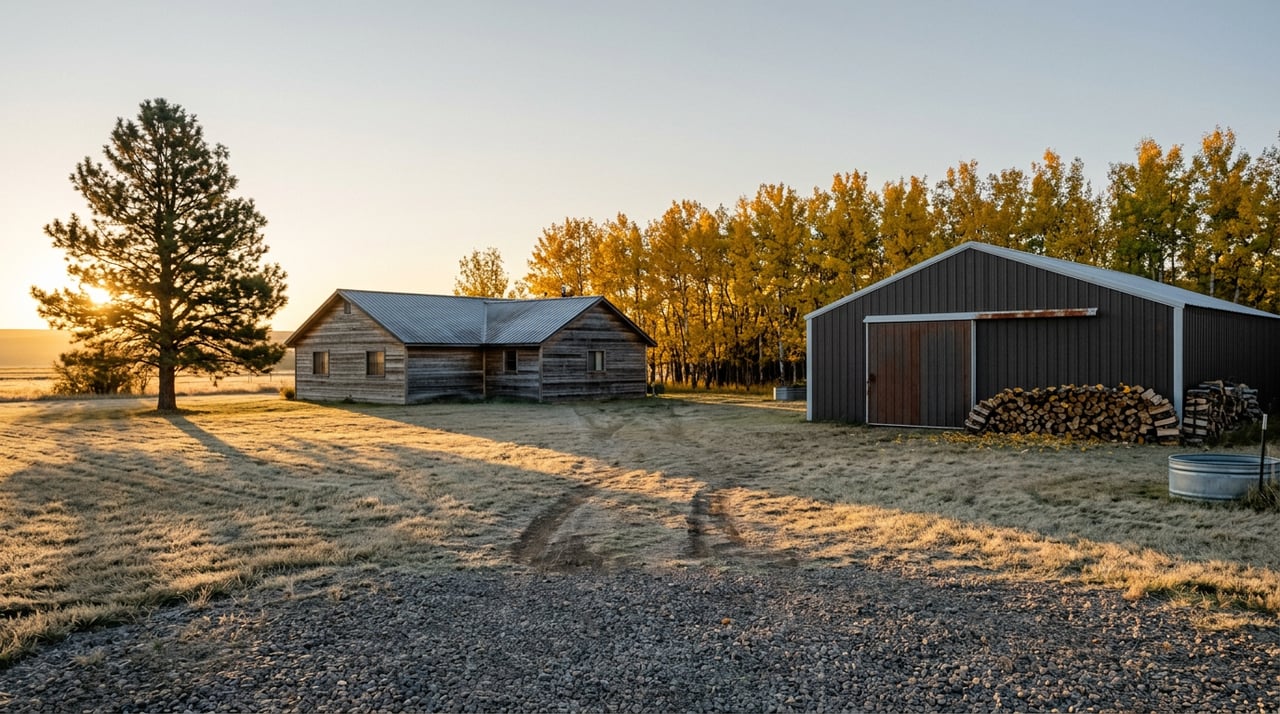
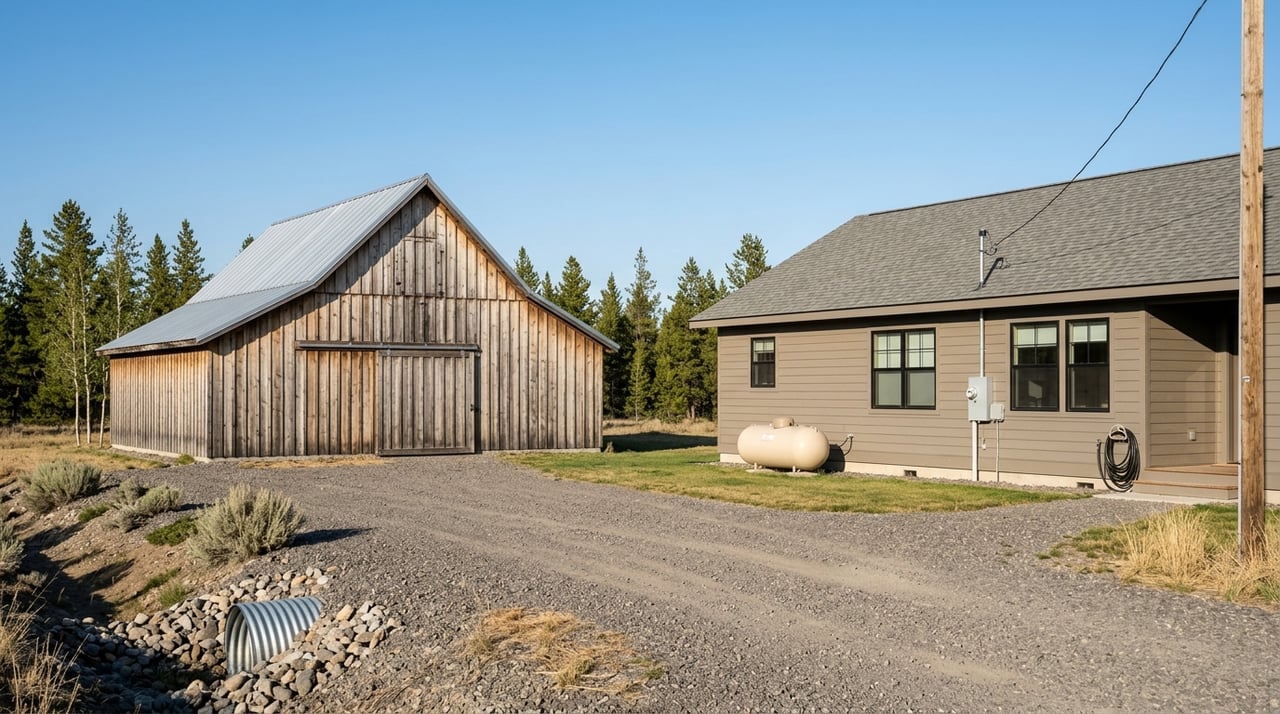
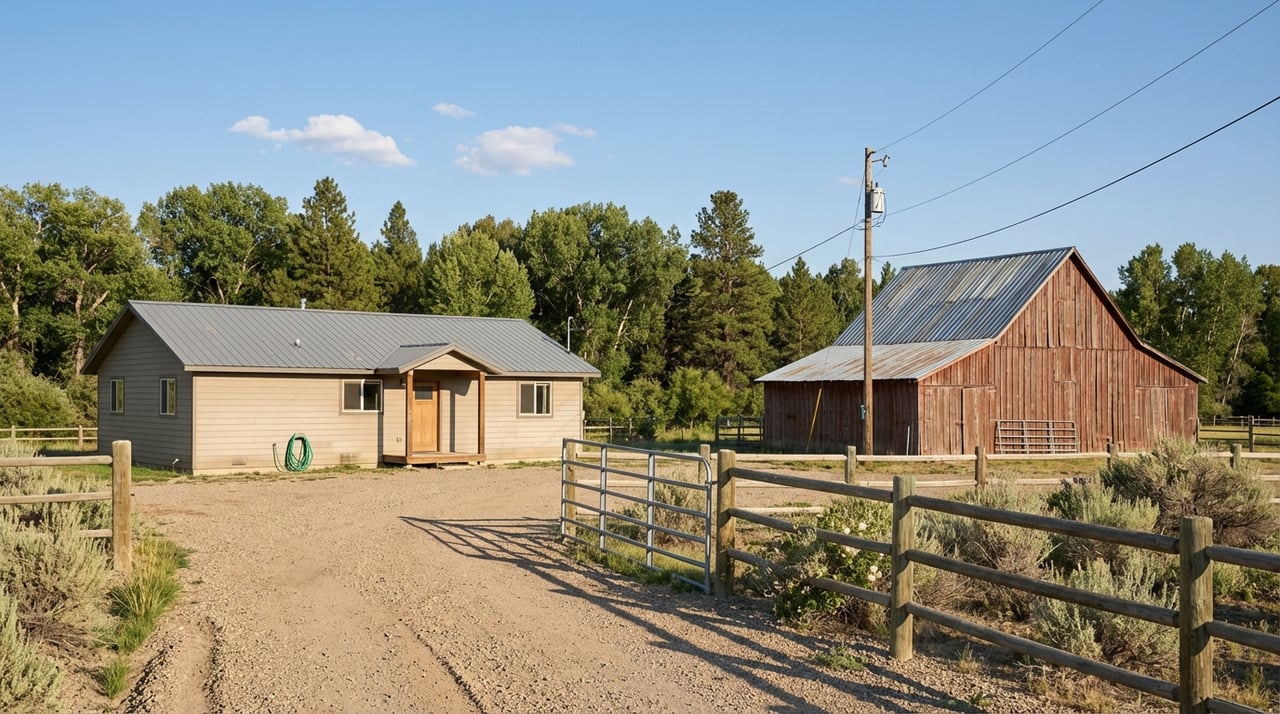
In the Jordan area, buyers often separate working improvements from cosmetic ones. MSU Extension notes that barns, sheds, corrals, silos, and grain bins are treated as agricultural improvements for property-tax purposes. In the market, these features are often judged by usefulness, condition, and how much operating cost they reduce.
That means a practical set of corrals, sound fencing, useful outbuildings, or a well-planned water system may carry more weight than appearance alone. Buyers usually ask whether an improvement helps them run cattle, store feed, move equipment, or maintain the land more efficiently.
Not every acre is valued the same way
The same MSU Extension resource explains that some land associated with water bodies, irrigation ditches, road easements, and powerline easements is classified as non-irrigated grazing land for tax purposes. For buyers and sellers, that is a reminder that the ranch should be evaluated by how different parts of the property actually function, not just by a simple total-acre figure.
What buyers often ask first
When buyers review ranch land around Jordan, their questions are usually practical and specific. They often want to know:
- How much forage the ranch produces in a normal year
- How many AUMs that forage supports
- Whether water rights are recorded and matched to current use
- How much acreage is pasture, cropland, or irrigated ground
- Whether access is legal and dependable year-round
- Which improvements lower labor or operating costs
Those questions line up with Montana’s production-based agricultural framework and with the livestock-heavy makeup of Garfield County. They also show why a one-size-fits-all price rarely tells the full story.
What sellers should prepare
A better valuation starts with better information
If you are preparing to sell a ranch near Jordan, solid documentation can make a meaningful difference. Based on the local valuation framework and common buyer priorities, sellers are usually best served by having water-right records, irrigation or stock-water maps, forage or carrying-capacity information, pasture and fence maps, access documents, lease details, and a clear improvement list ready to share.
That kind of preparation helps buyers understand the property faster. It can also support a more tailored pricing strategy, especially when the ranch has strengths that may not show up in a simple acreage comparison.
Tax treatment is part of the picture
Montana’s tax treatment for agricultural land also matters. MSU Extension explains that agricultural land is taxed on productive value, while nonqualified agricultural land is taxed at a much higher rate, and parcels of 160 acres or more generally receive agricultural classification unless used for another purpose. For sellers, this is one more reason to separate tax treatment from market value, especially when homes, improvements, or mixed-use elements are involved.
Why a custom analysis matters
The most marketable ranches around Jordan often combine four things: solid forage, documented water, dependable access, and functional improvements. The Garfield County agricultural profile supports that land-first perspective because it reflects a county defined by pasture, livestock, and large working acreages rather than heavy irrigation.
If you are buying, this helps you compare properties more clearly. If you are selling, it shows why a custom valuation is usually more useful than a broad per-acre estimate. When you want practical guidance on pricing or positioning a Montana ranch property, Dayle Stahl offers owner-led service with the kind of local, hands-on approach that rural properties deserve.
FAQs
What do ranch buyers around Jordan, MT look at first?
- Buyers usually start with forage production, carrying capacity, water reliability, access, and the usefulness of working improvements.
Why are water rights important for ranch land in Garfield County?
- Water rights matter because the Montana DNRC says most water uses require a recorded water right to be valid, legal, and defensible against other users.
How does climate affect ranch value near Jordan, MT?
- Jordan’s dry climate, including average annual precipitation of 13.45 inches, makes drought resilience, native range condition, and dependable stock water especially important.
Do improvements add value to ranch property near Jordan?
- Improvements can add value when they are functional, in good condition, and help reduce labor or operating costs, such as corrals, barns, sheds, fencing, and water systems.
Why is a per-acre price less useful for Jordan-area ranches?
- A per-acre price can miss major differences in forage quality, water infrastructure, access, and land usability, which is why buyers often rely on a more tailored analysis.