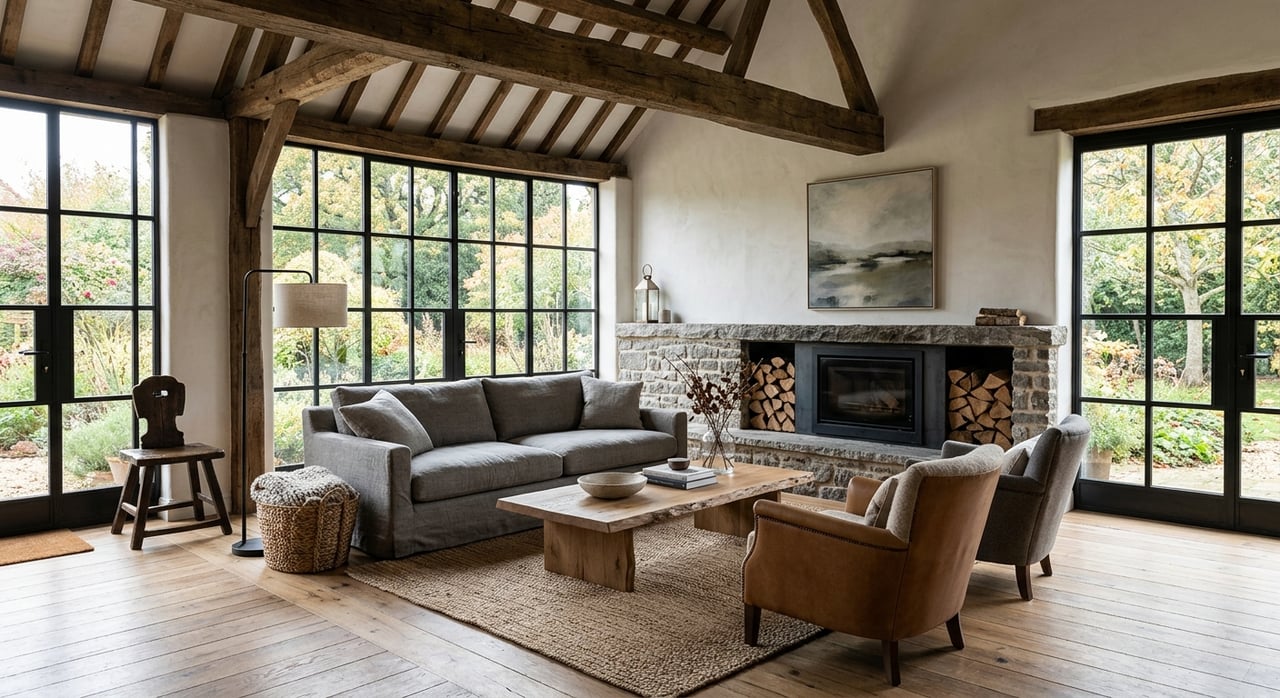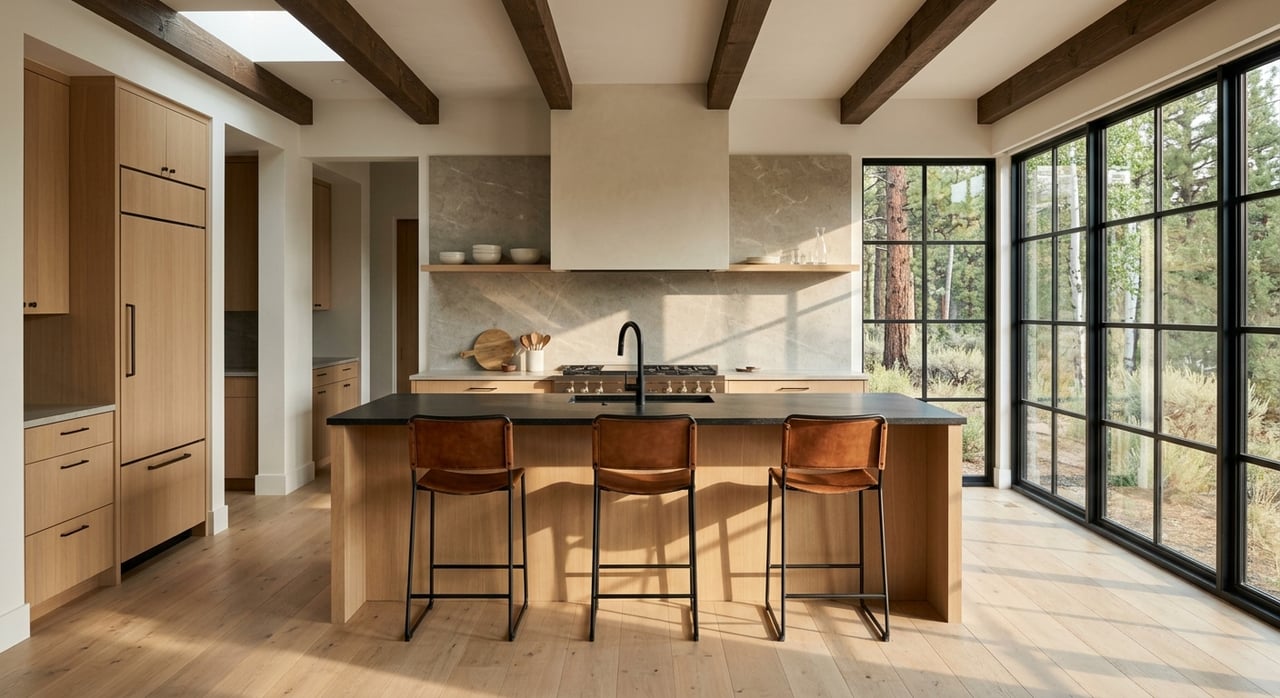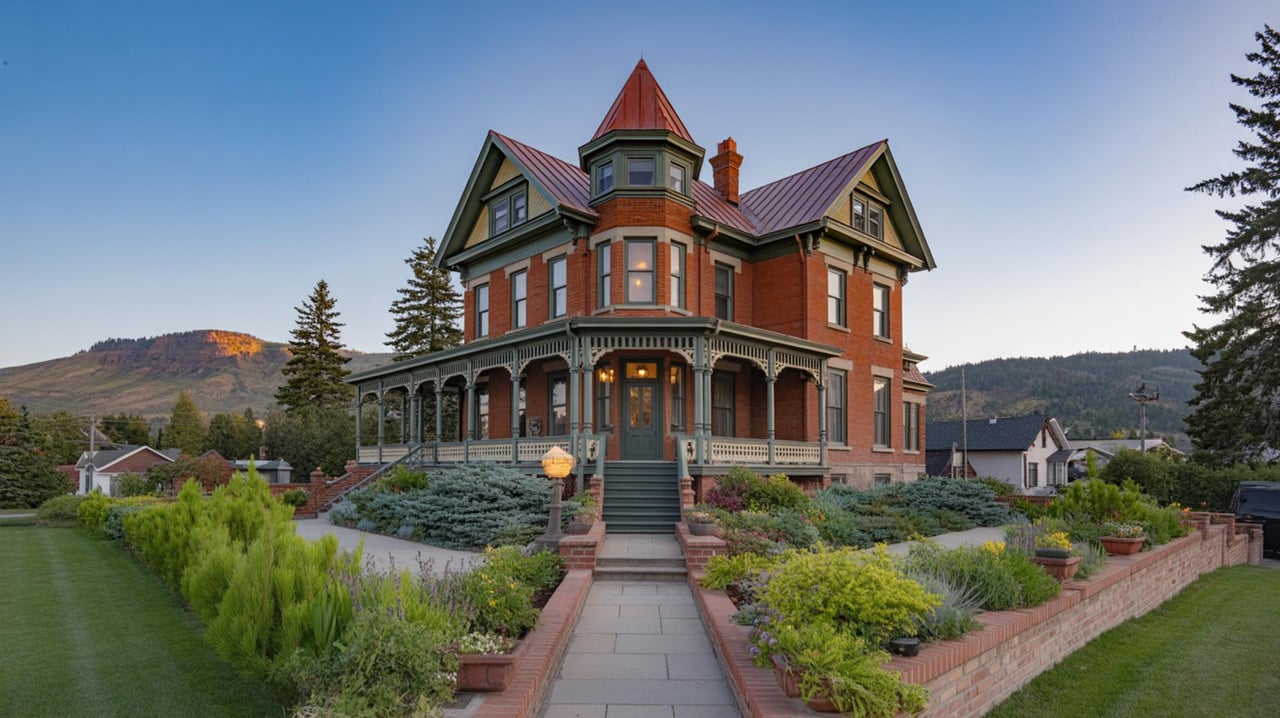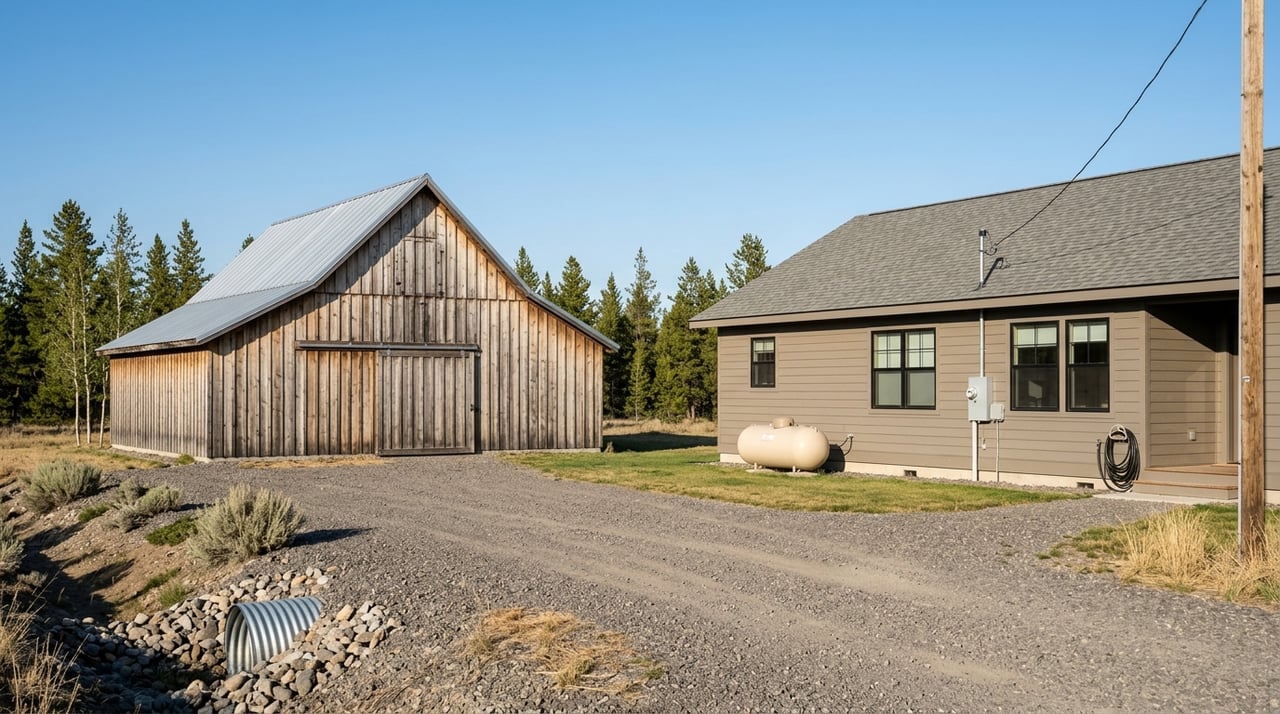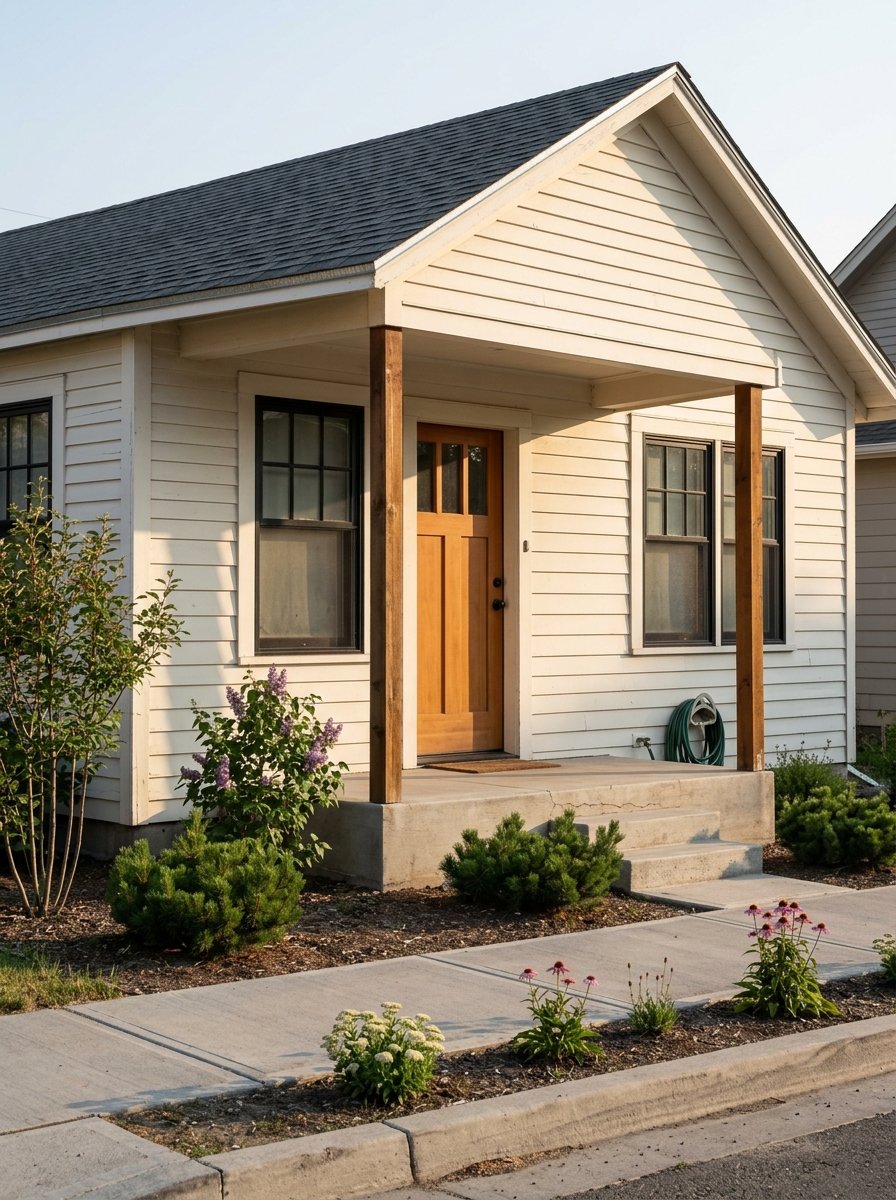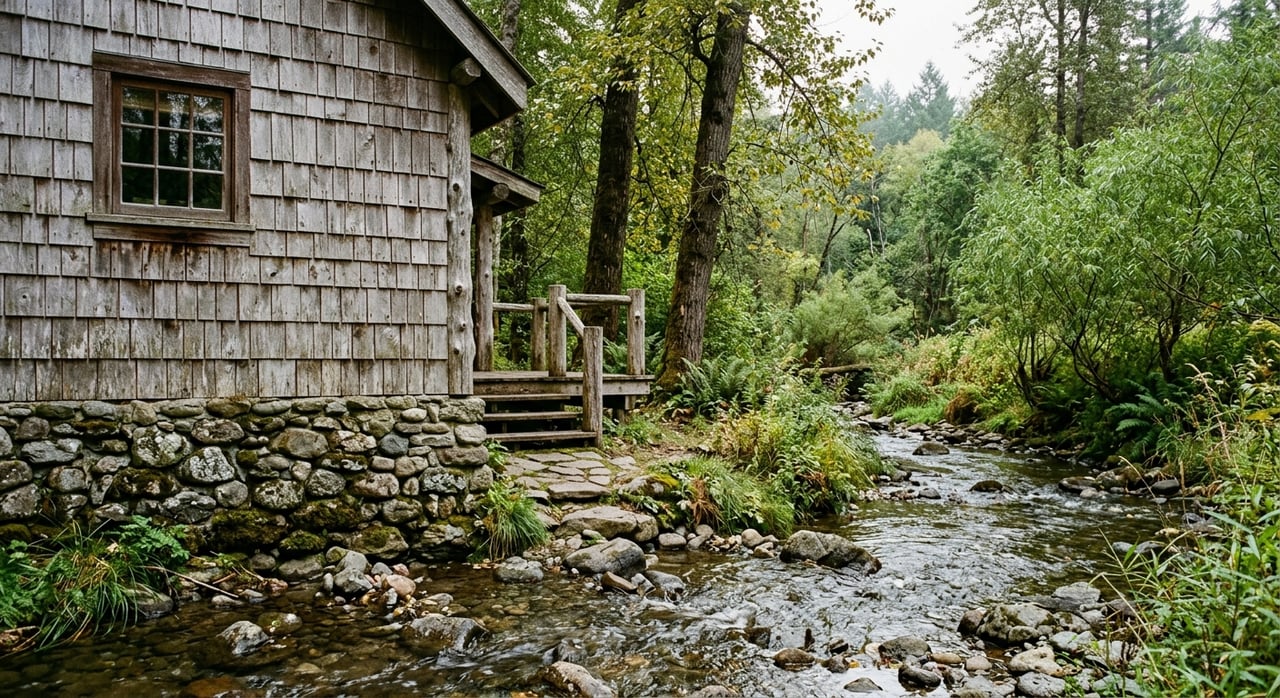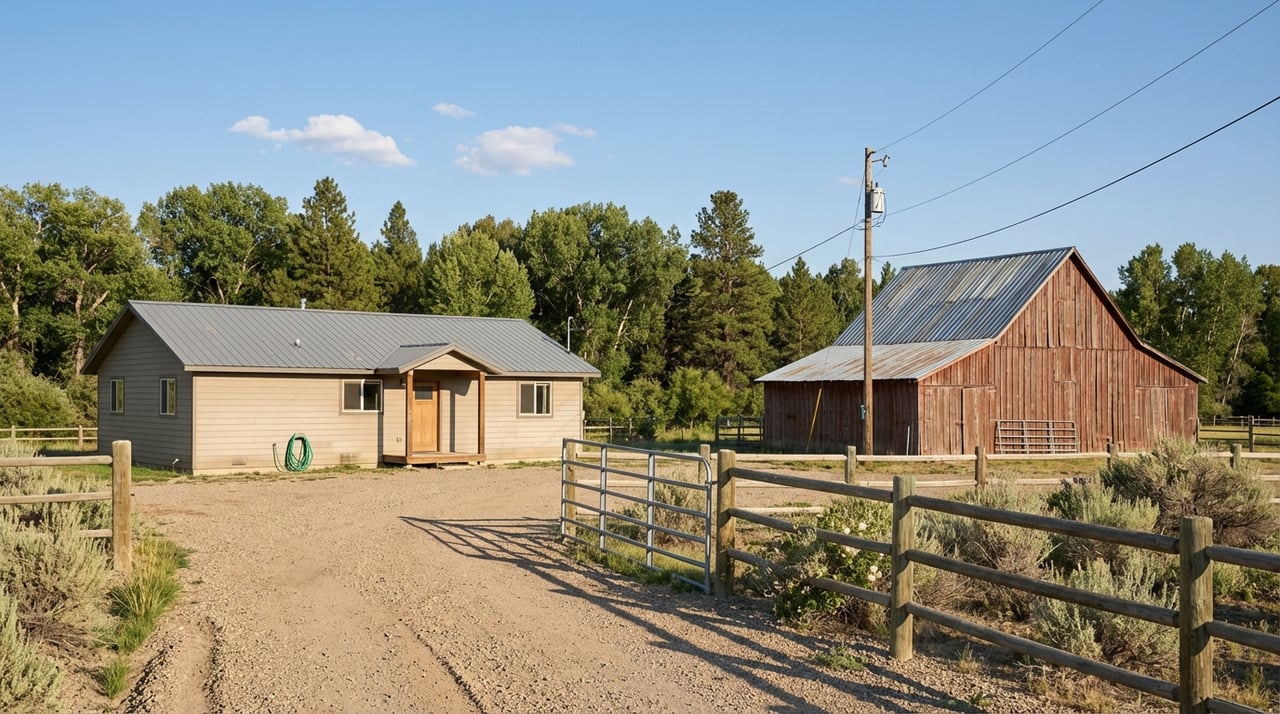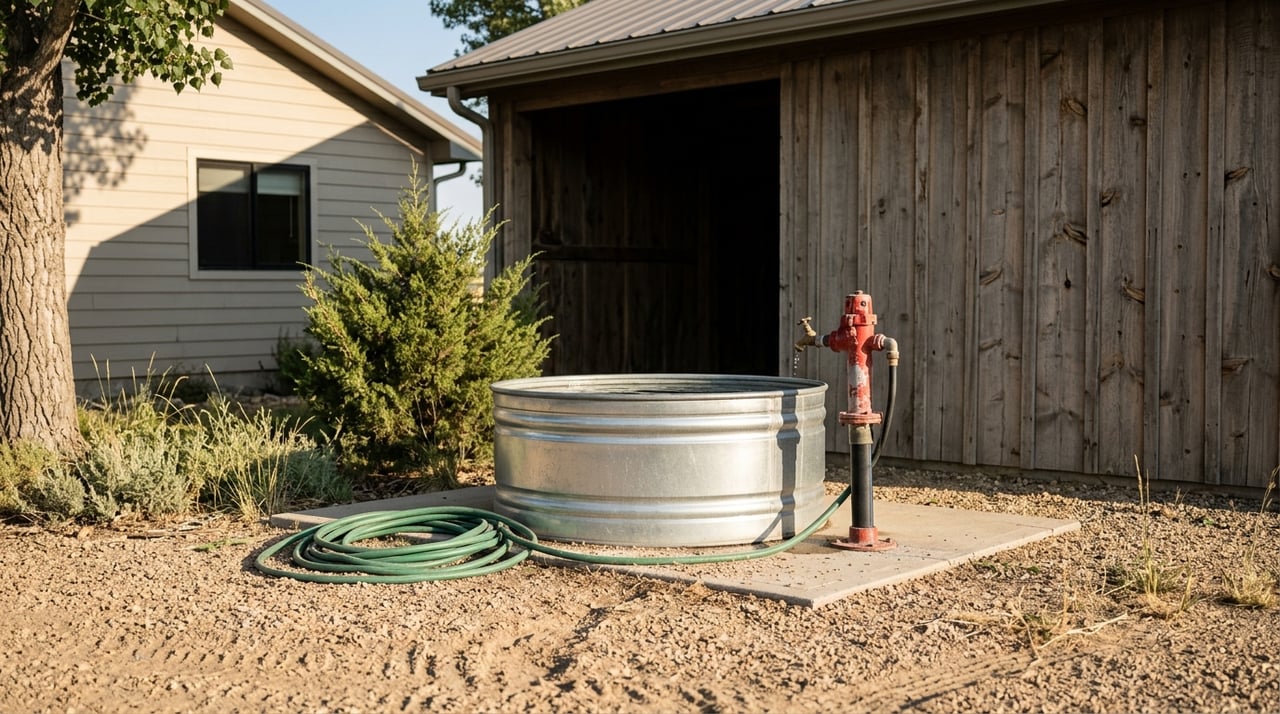
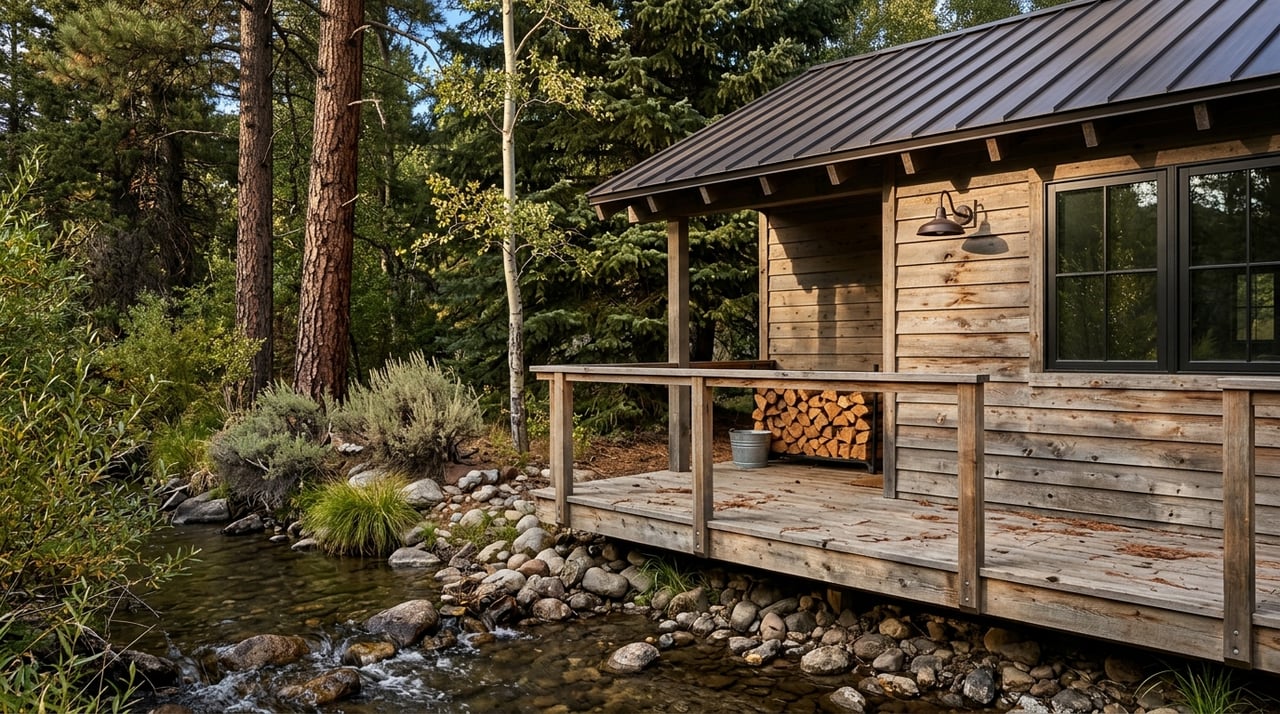
If you are selling a cabin or acreage near McLeod, you are not marketing a typical home. You are marketing access, seasonality, land use, and the experience of being in one of south-central Montana’s most compelling recreation settings. Buyers want more than a bedroom count here. They want to know how the property lives, how the land functions, and what makes it worth the drive. Let’s dive in.
Why McLeod-Area Marketing Is Different
Sweet Grass County is a small, rural market with a very different buyer pool than a suburban neighborhood. Agriculture remains the main economic driver, and the county’s land use is dominated by rangeland, forest, and cropland. That means a cabin or acreage near McLeod often appeals to lifestyle buyers, recreation buyers, and land-focused purchasers rather than someone simply looking for a standard primary residence.
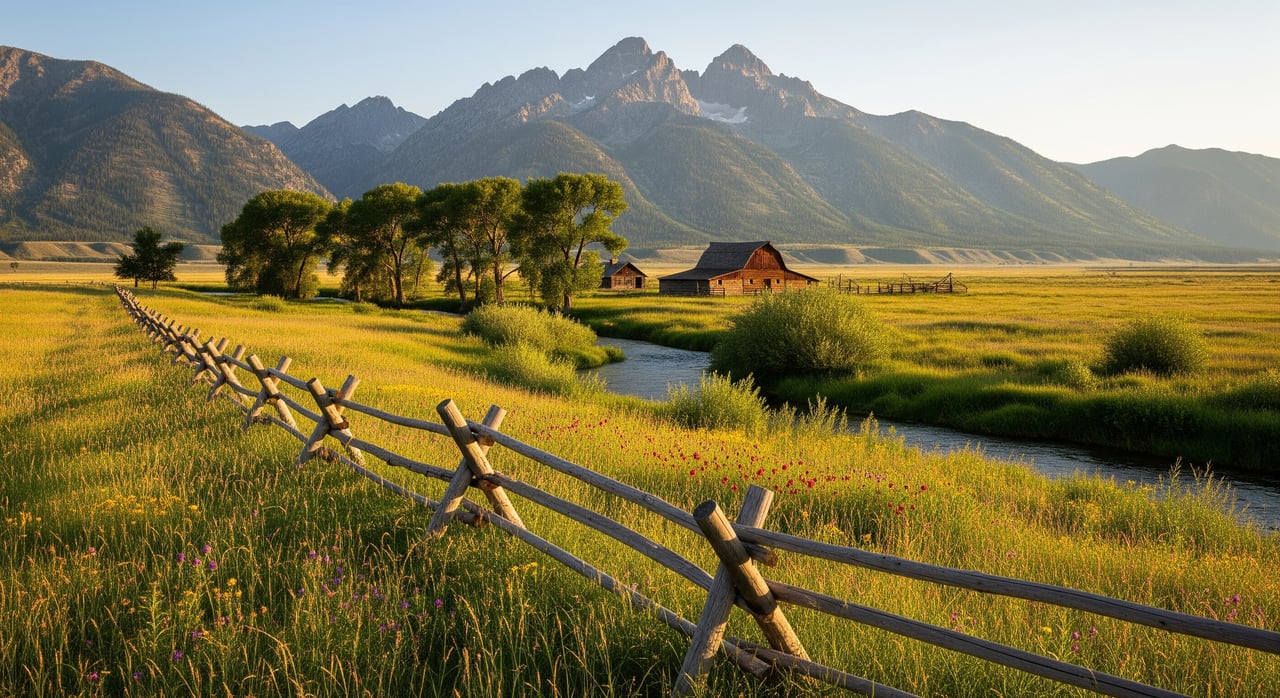
The location itself is a major part of the value story. South-central Montana offers access to mountain scenery, rivers, hiking, and wildlife viewing, with the broader region tied to the Beartooth and Crazy Mountains and recreation along the Yellowstone, Stillwater, Bighorn, and Boulder Rivers. For many buyers, that setting is the reason they start looking in this area in the first place.
Lead With the Land, Not Just the Cabin
When you market a rural property near McLeod, the cabin is only part of the package. Buyers also want to understand the acreage, access, terrain, views, vegetation, and how the land can be used. A small home on meaningful ground can draw stronger interest than a larger structure with an unclear land story.
This matters even more because recreational land has remained one of the stronger segments in broader land-market reporting. In a place like McLeod, your marketing should show how the property supports enjoyment, retreat, and practical use. That can include room for horses, seasonal recreation, privacy, irrigation history, or simple elbow room with mountain context.
Access Needs to Be Crystal Clear
One of the biggest mistakes in marketing cabins and acreage is being vague about access. Buyers in this market want to know whether access is deeded, easement-based, seasonal, or simply close to a public access point. If that answer is fuzzy, many serious buyers will hesitate.
For properties near rivers or creeks, it is especially important to separate deeded frontage, legal easement access, nearby public access, and water views. Those features are not the same, and buyers value them differently. Clear wording builds trust and helps you avoid confusion later in the sale process.
What buyers want to know about access
- Is the property reached by a public road, private road, or recorded easement?
- Is access dependable year-round or mostly seasonal?
- Who handles road maintenance?
- Is snow removal available or expected?
- Does the route require high-clearance or 4WD at times?
In this part of Montana, road conditions can change with weather and natural events. Some routes may be impassable for periods of time or may realistically require a more capable vehicle. That makes honest, detailed access notes a major part of effective marketing.
River Access and Water Rights Add Value
River access can be one of the most attractive features of a McLeod-area property. Montana’s stream access framework and public fishing access sites make water-oriented recreation a real draw, but buyers still need to know exactly what comes with the parcel itself. If a property does not include private frontage, your marketing should say so clearly and explain the nearby public options only as context.
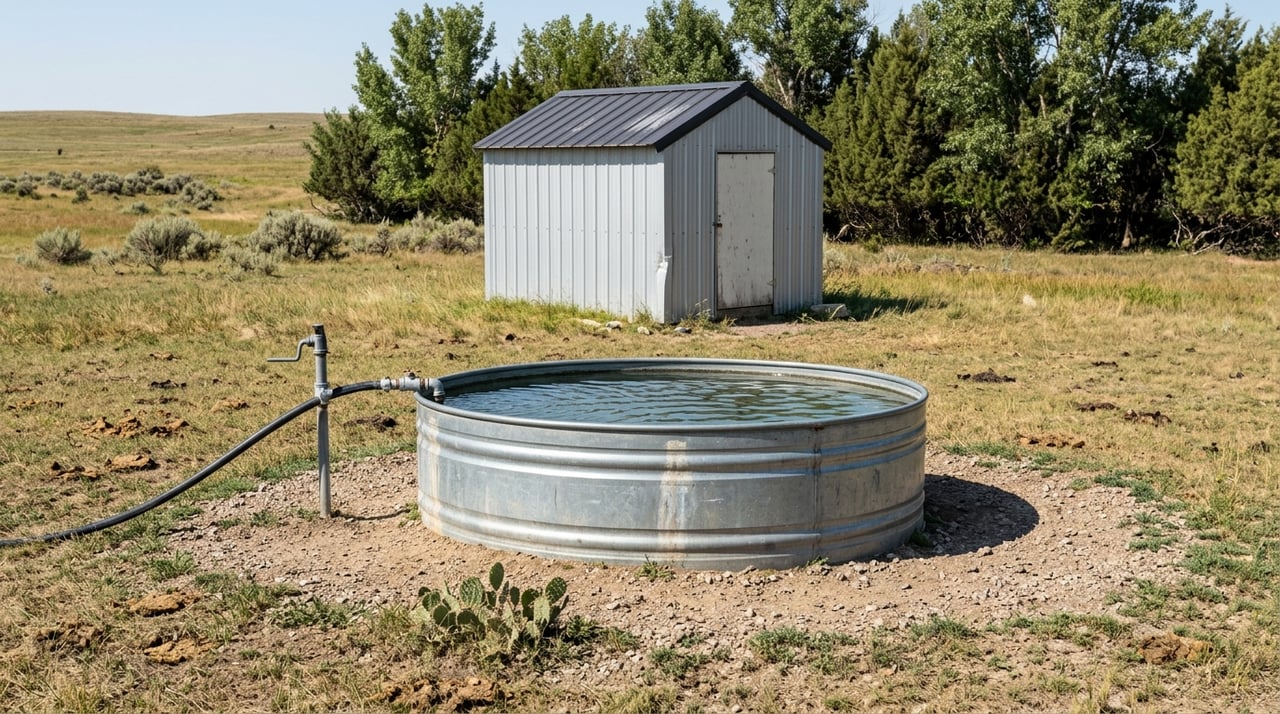
Water rights can matter just as much as scenic water. If your acreage includes irrigation, stockwater, or ditch-rights history, those records are part of the asset buyers are evaluating. Ownership updates and changes are handled through Montana’s water-rights process, so strong documentation can make a property easier to understand and more credible in the market.
Water details worth preparing before listing
- Any recorded water-right documents tied to the property
- Deeds and chain of conveyance related to those rights
- Notes on irrigation, stockwater, or ditch use history
- Clear explanation of whether water is a view, access feature, or legal right
Be Honest About Seasonal Usability
A warm-season retreat and a true four-season property are not the same thing. Buyers near McLeod want a realistic picture of how the property performs in summer, shoulder seasons, and winter. If the cabin is winterized, accessible in snow, and served by maintained roads, that should be featured prominently.
If not, you are usually better off describing it accurately than trying to stretch the story. A seasonal getaway can still be very desirable. The key is matching the property to the right buyer expectations from the start.
Seasonal details that help buyers picture ownership
- Whether the cabin is winterized
- Typical access conditions in winter
- Road maintenance and plowing arrangements
- Vehicle requirements during rough weather
- Heating, water, and utility setup for colder months
Do Not Overlook Broadband and Cell Service
In rural markets, connectivity has become part of livability. If the property has working internet, usable cell service, or a realistic remote-work setup, buyers want to know. For some, that detail can be the difference between a fun idea and a serious purchase.
This does not need to be oversold. Simple, factual notes are usually best. If internet service is available, if the current owner works remotely, or if cell coverage is consistent in key areas of the property, those are practical selling points worth including.
Use Visual Marketing That Tells the Story
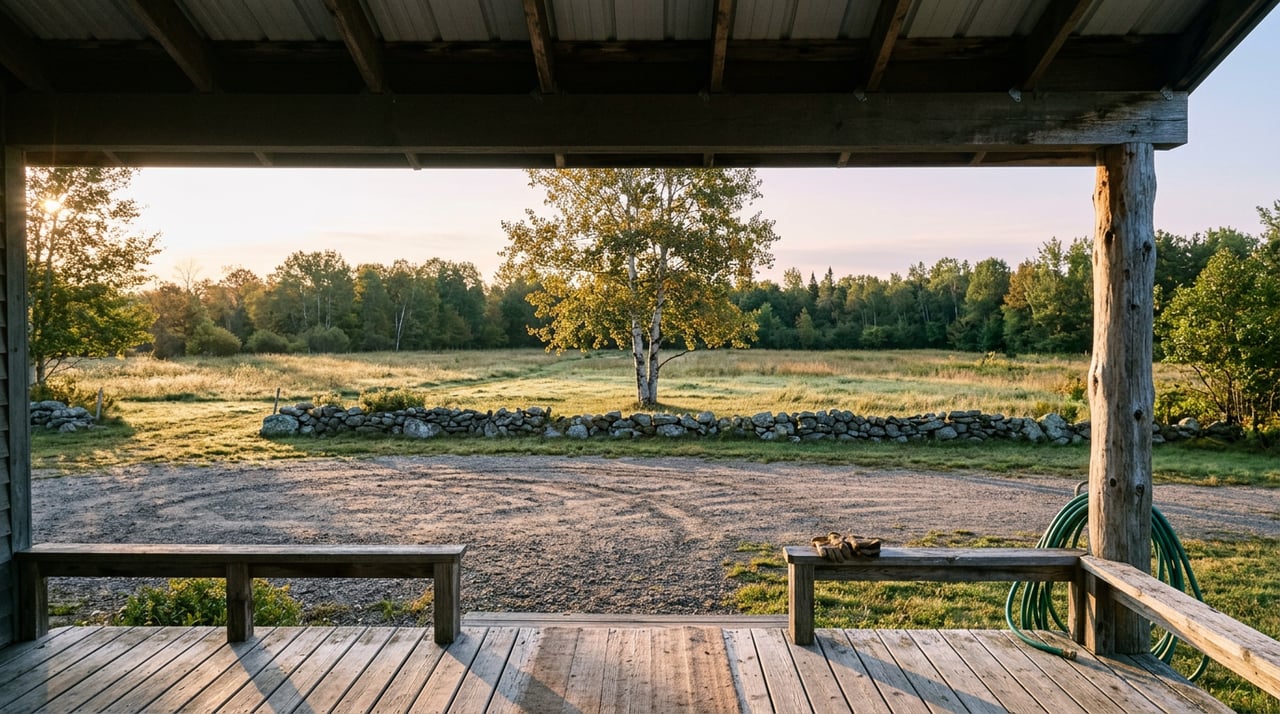
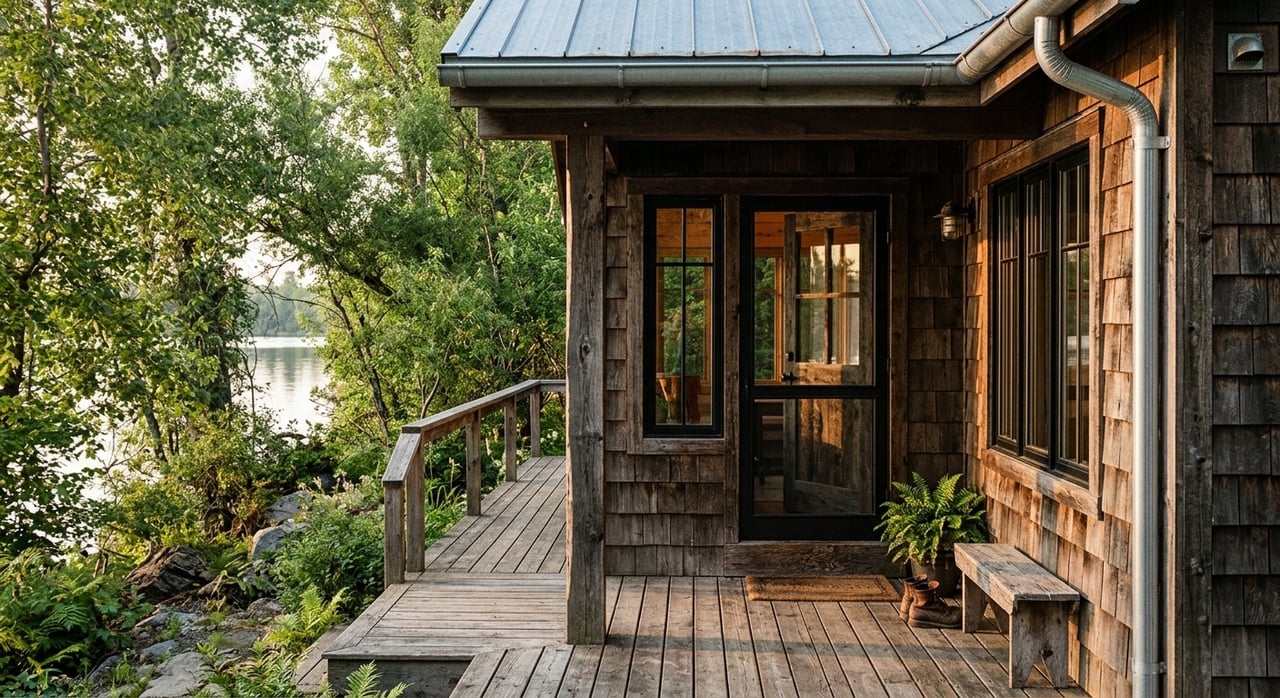
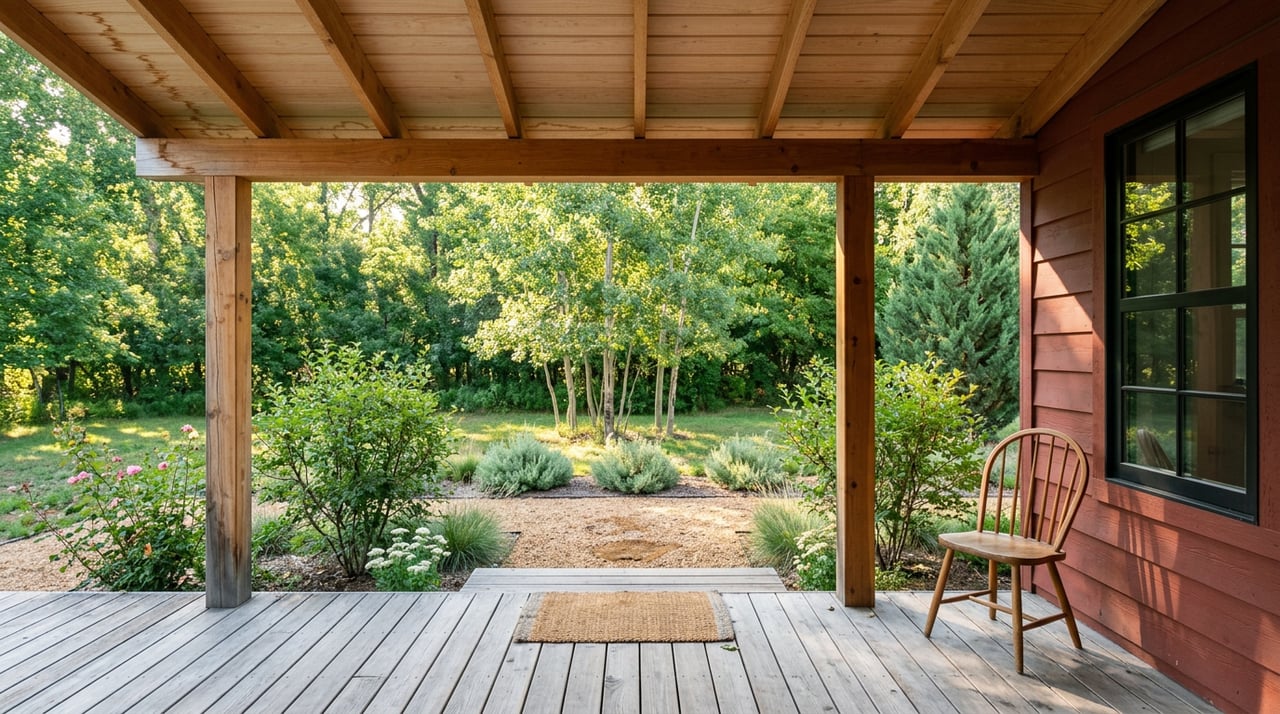
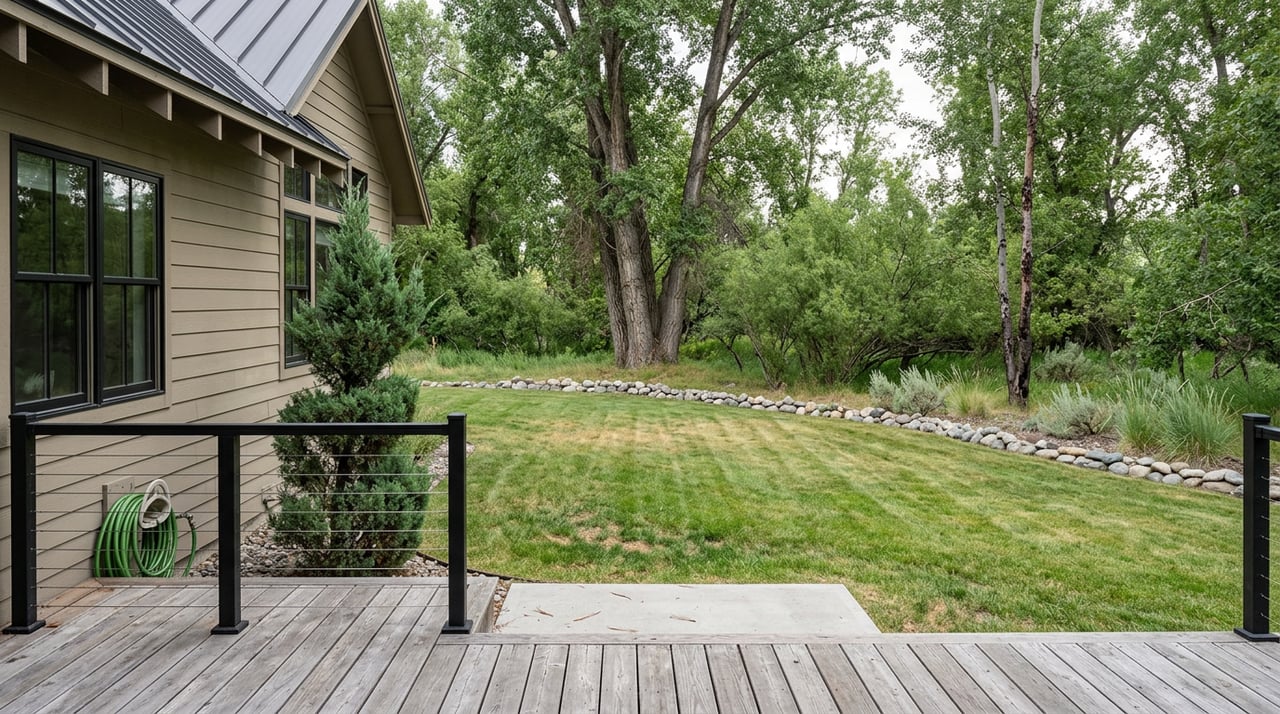
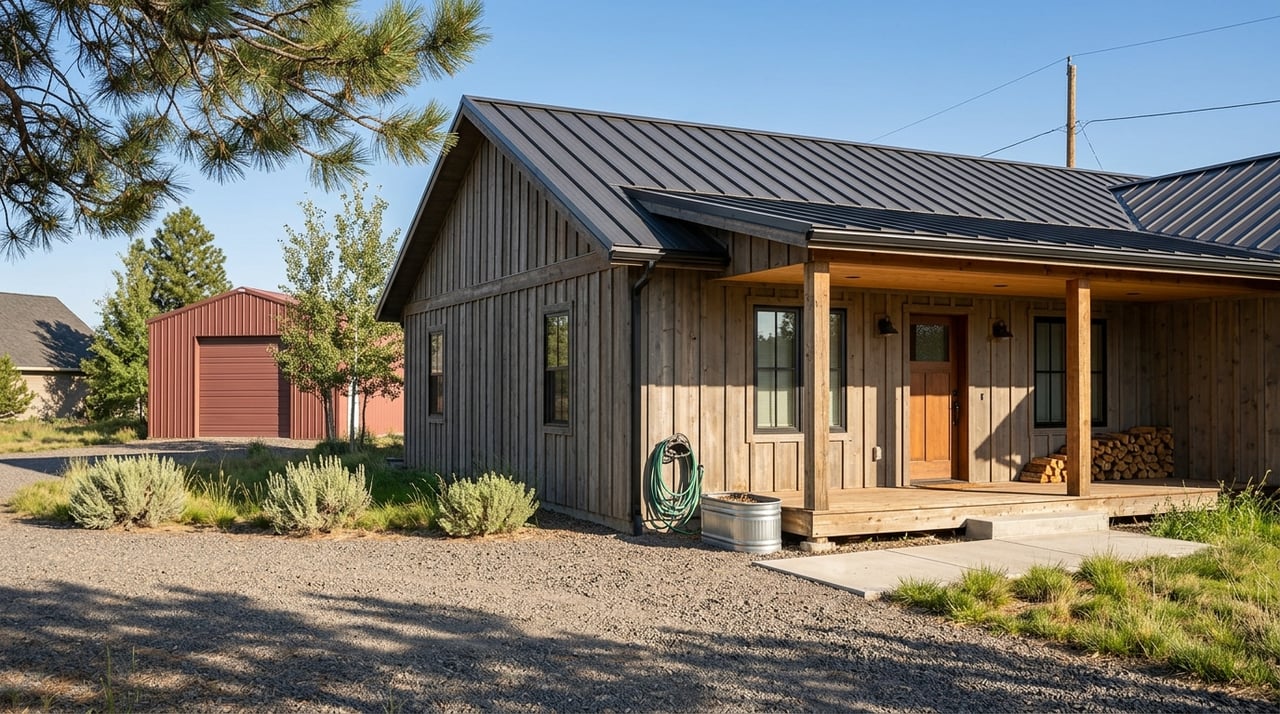
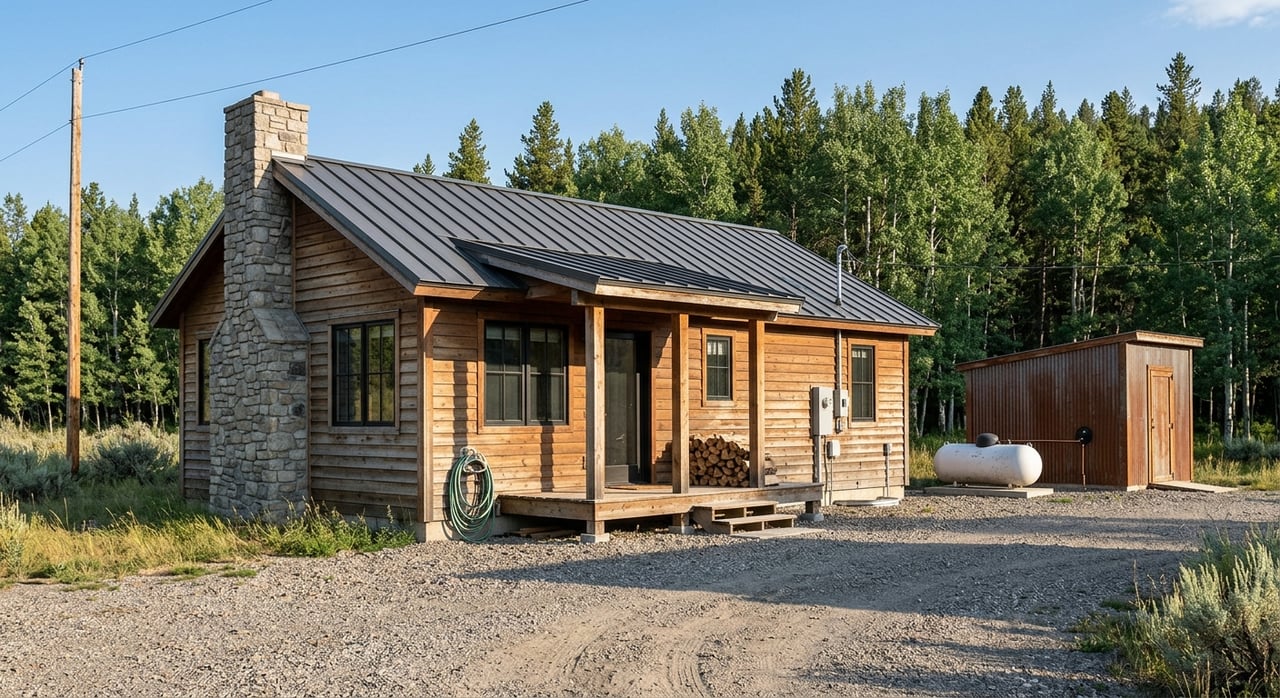
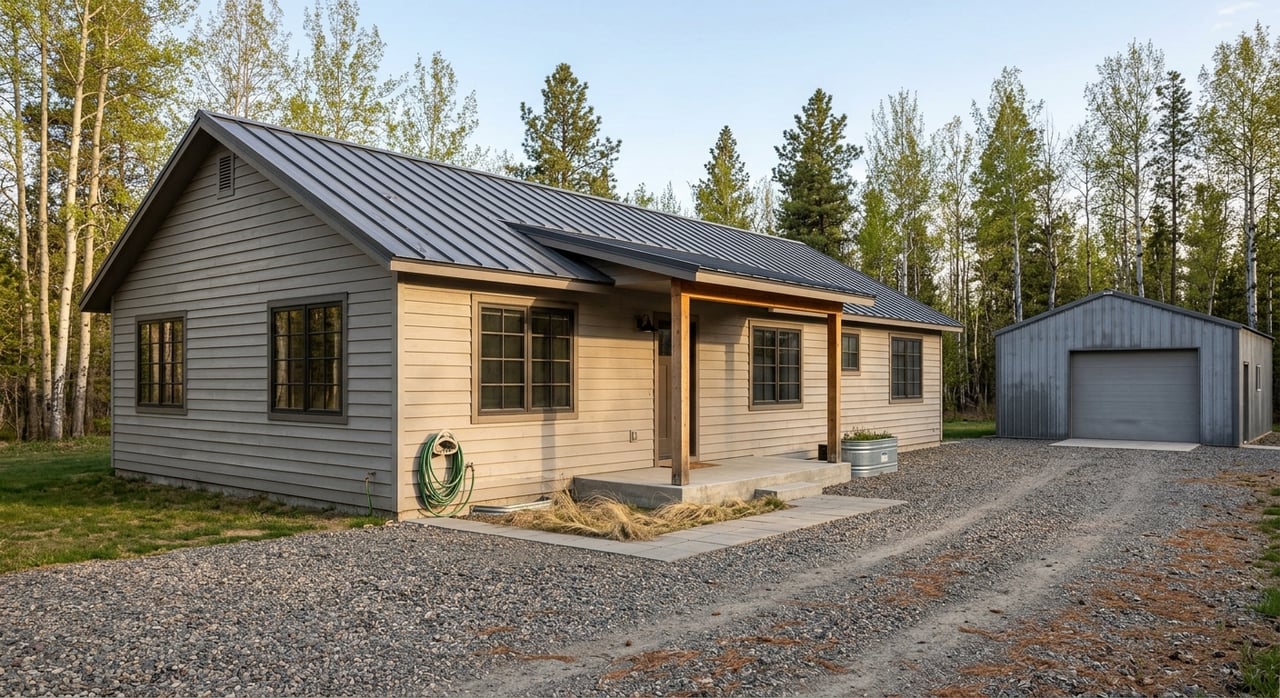
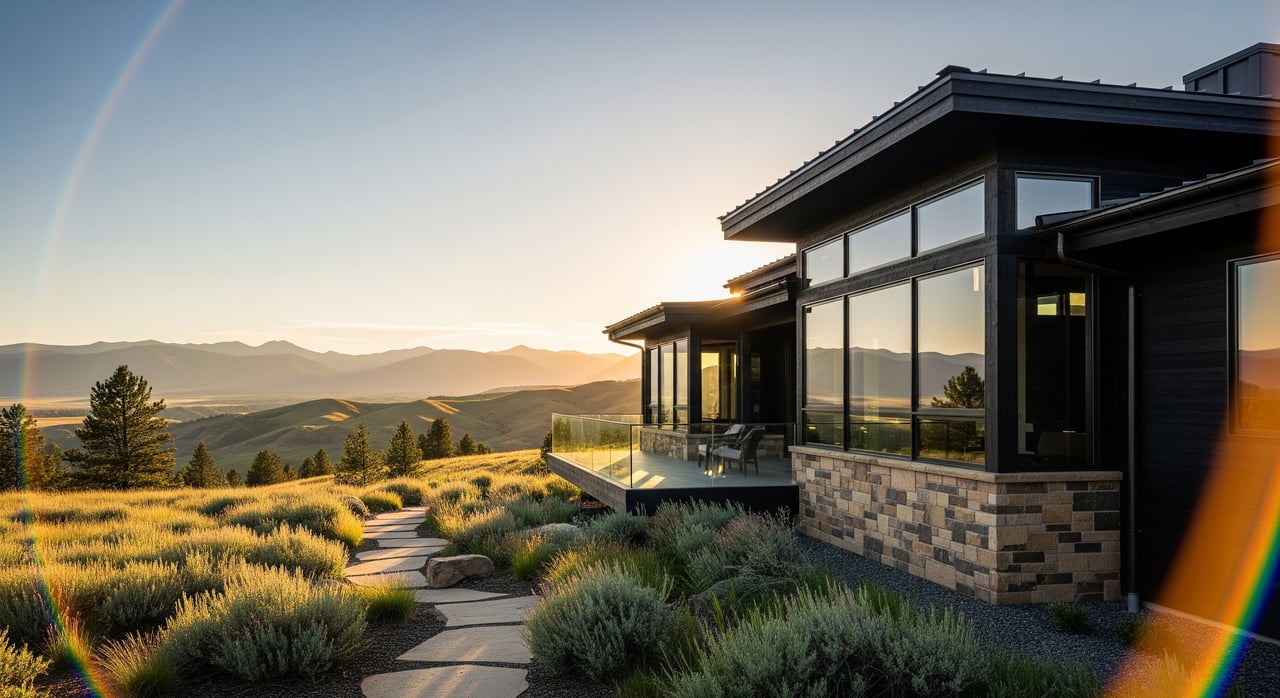
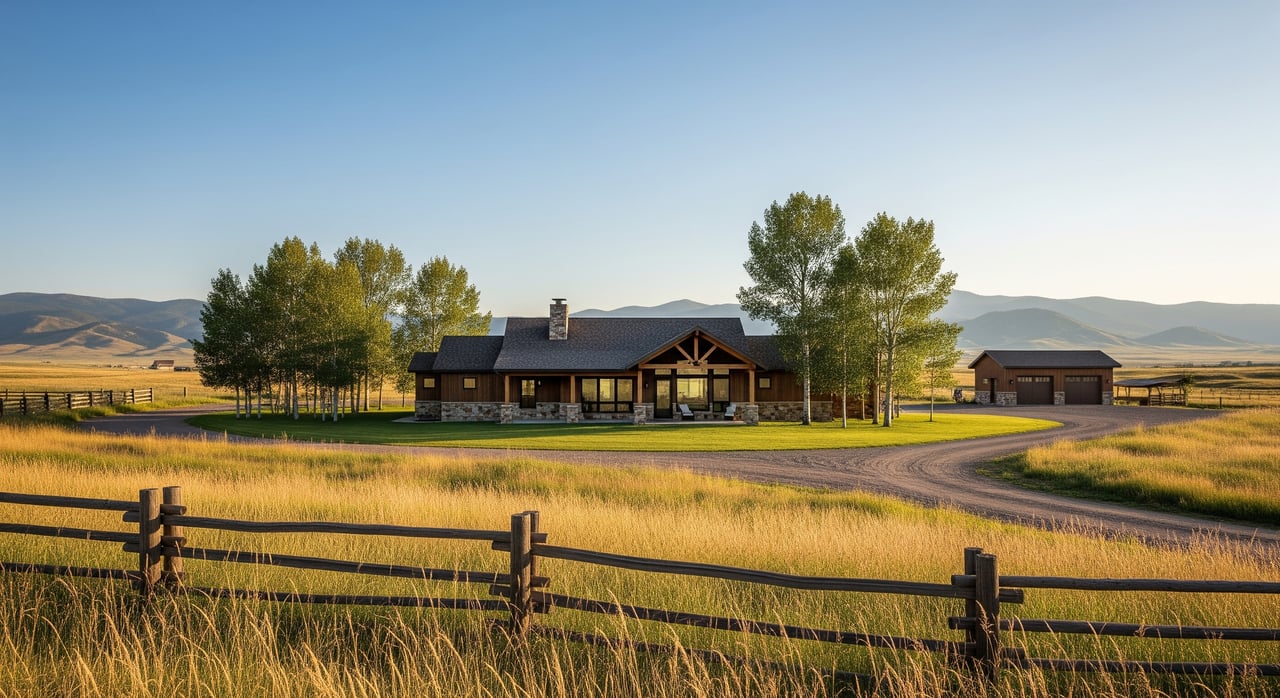
Most buyers begin their search online, and many will decide whether to learn more based on the first few photos. For a cabin or acreage near McLeod, that means your visual presentation has to do more than document the structure. It needs to show the place in context.
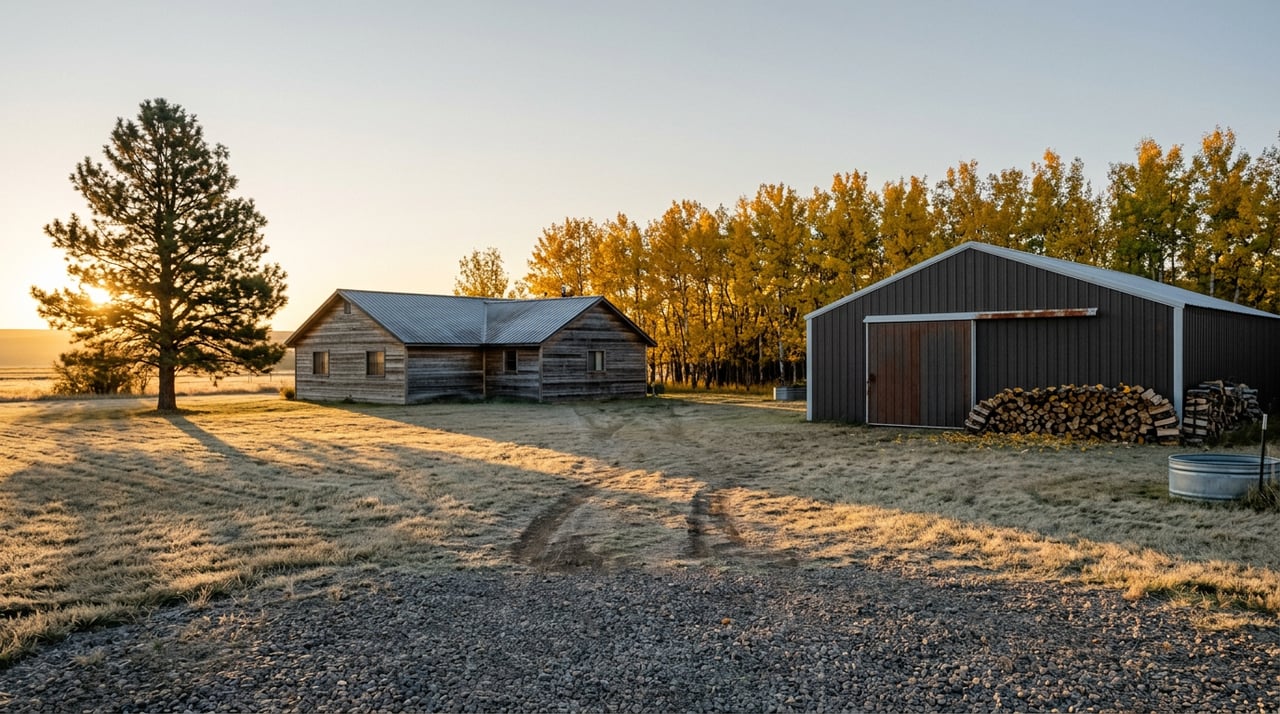
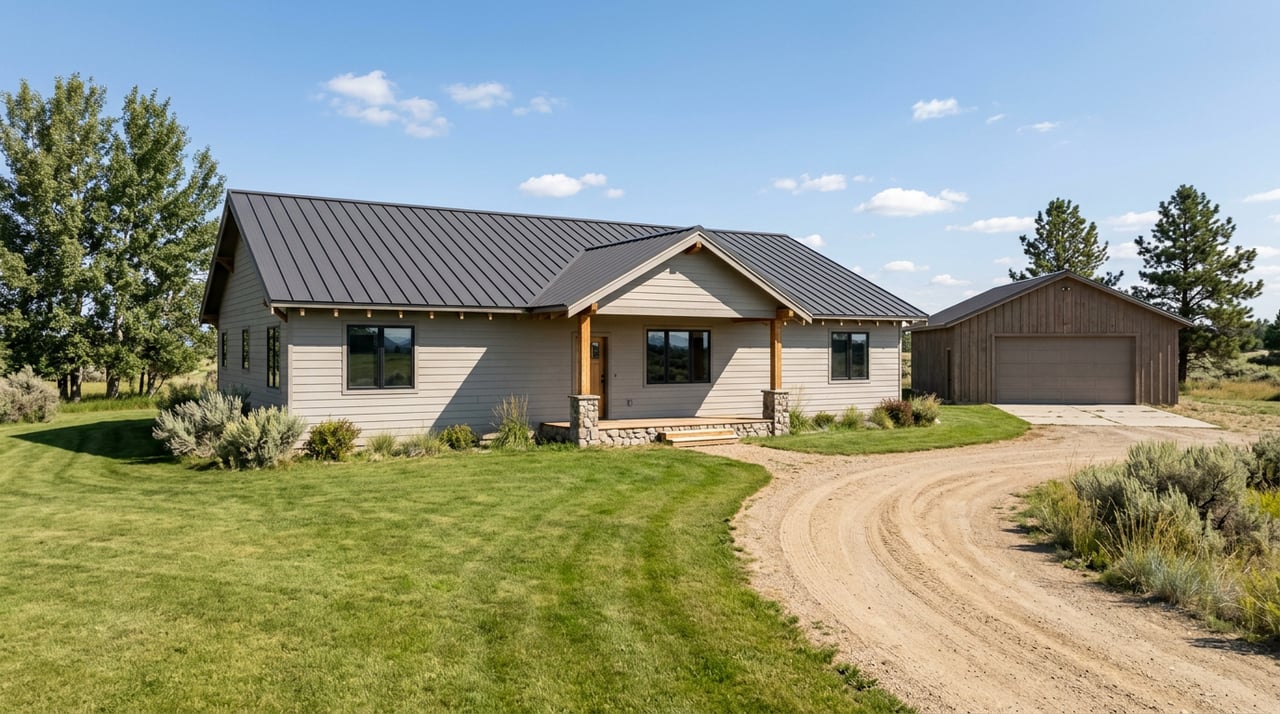
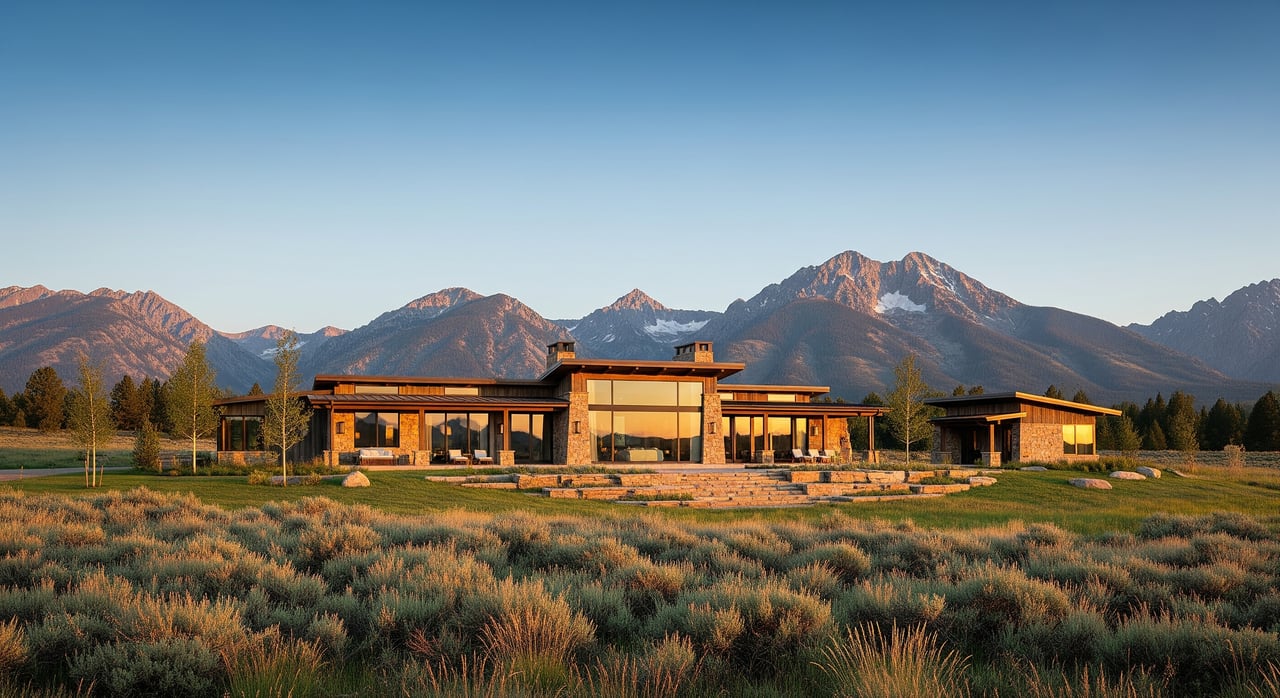
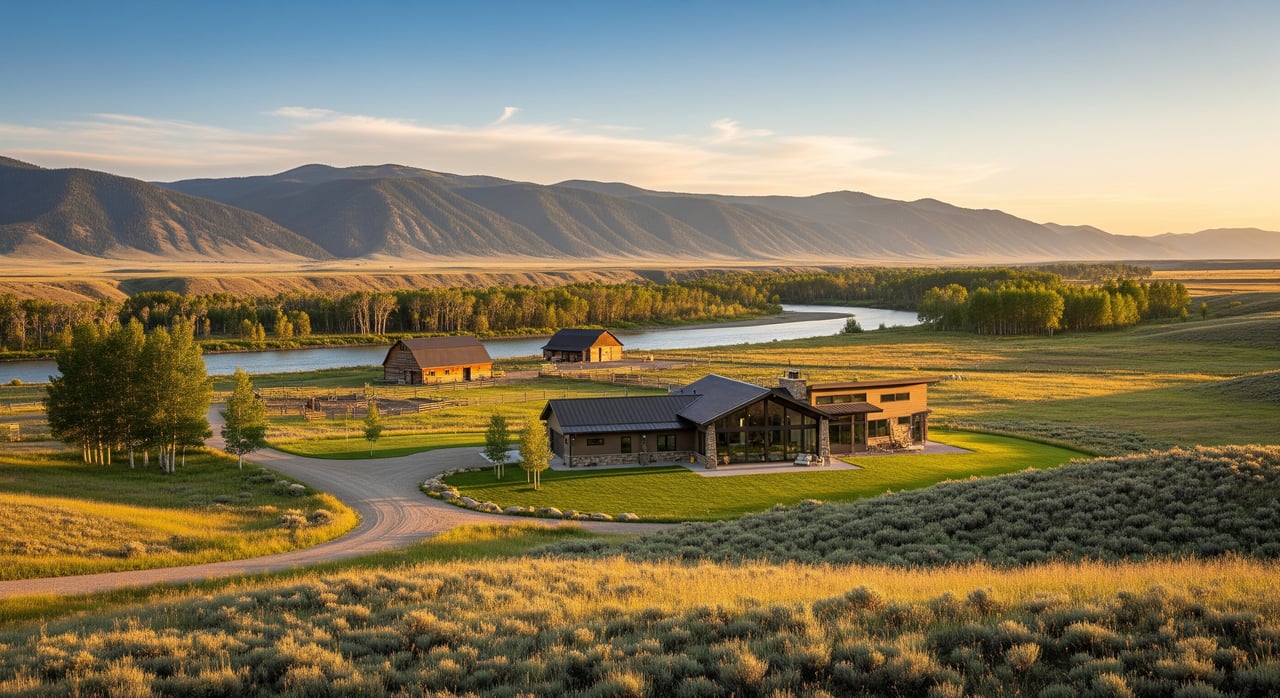
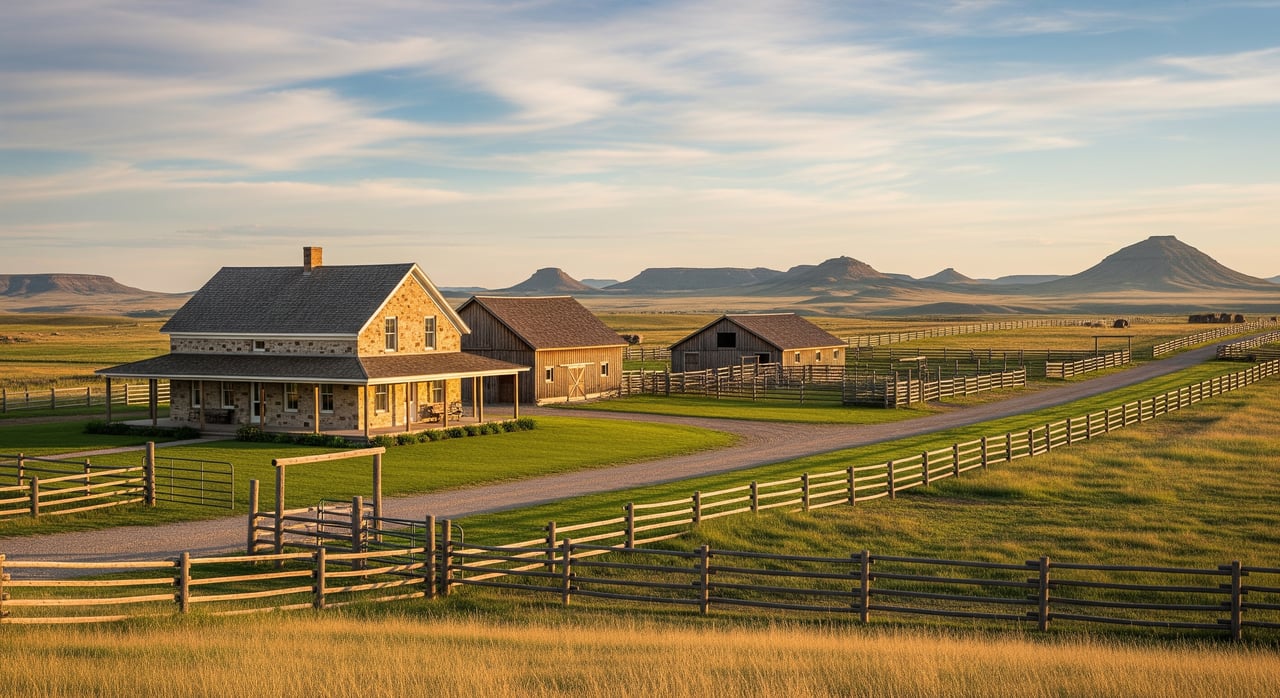
The strongest listings in this category are visually rich and documentation-heavy. Good photography should show approach, setting, outdoor living areas, tree cover, open ground, views, water features, and the relationship between improvements and land. Aerial images can be especially useful because they help buyers understand boundaries, access routes, and the property’s connection to nearby rivers, mountains, and open space.
Photos and media that matter most
- Wide shots of the land and setting
- Aerial views for context and approach
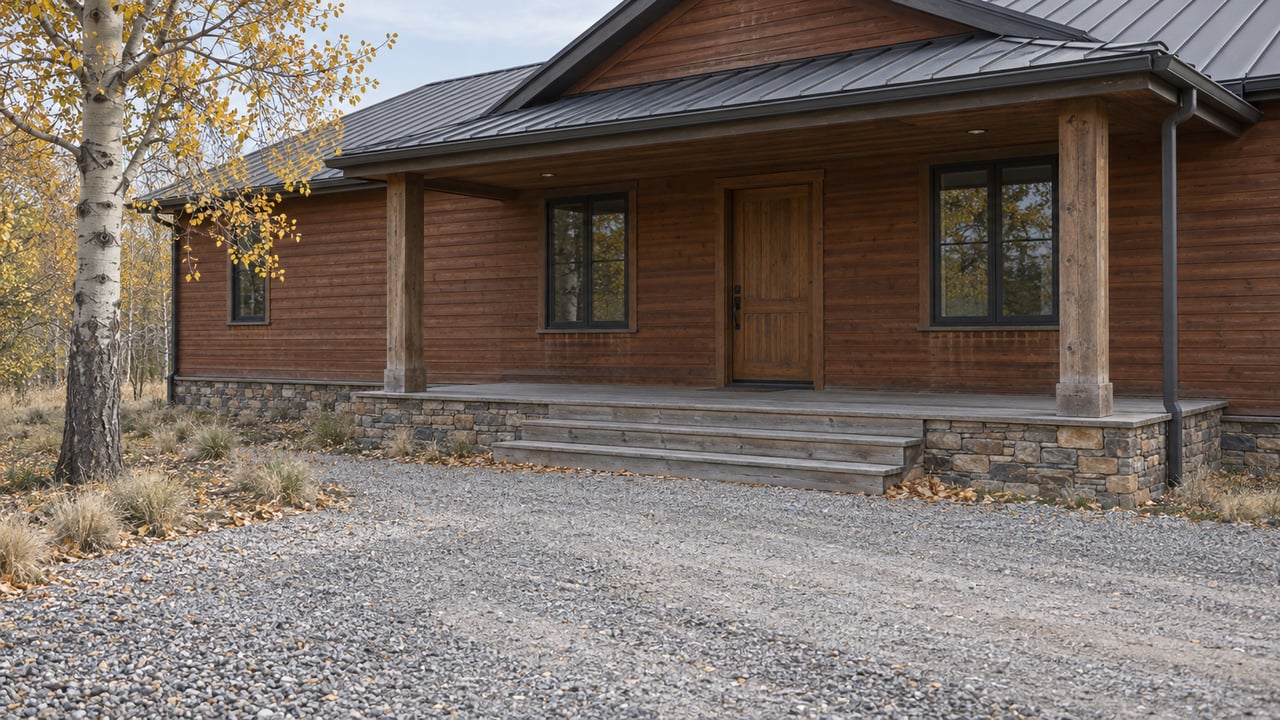
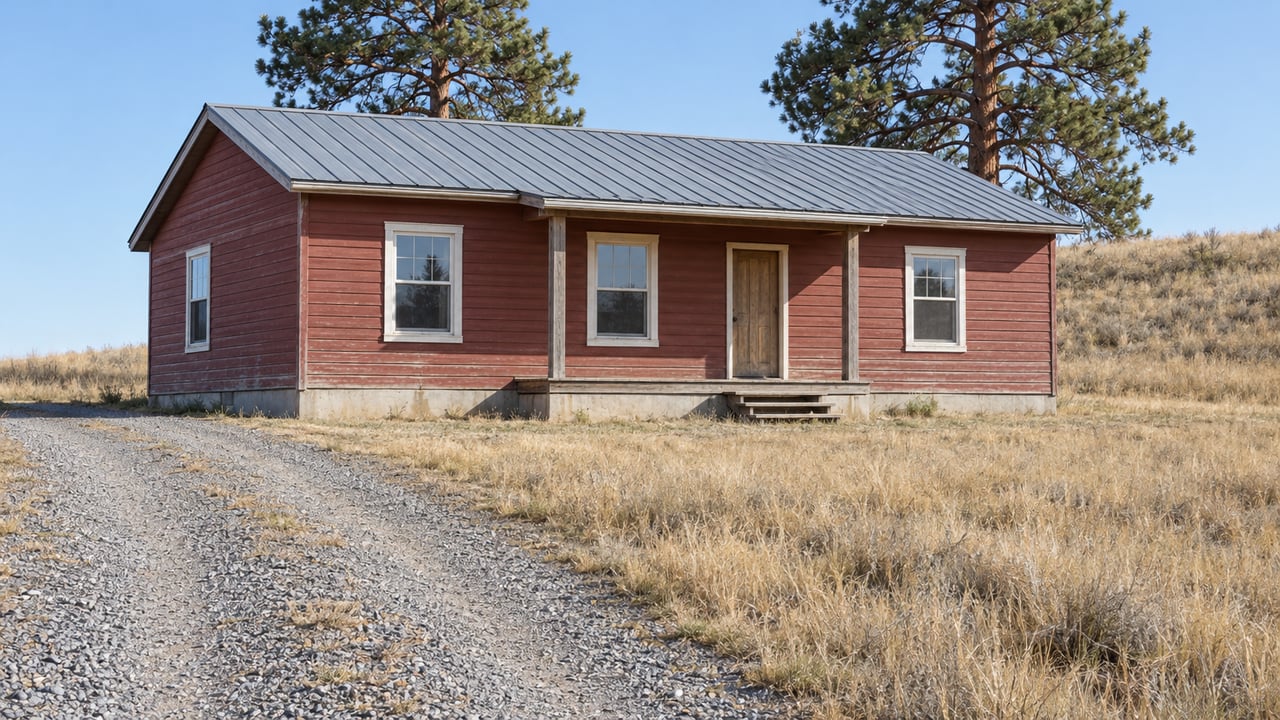
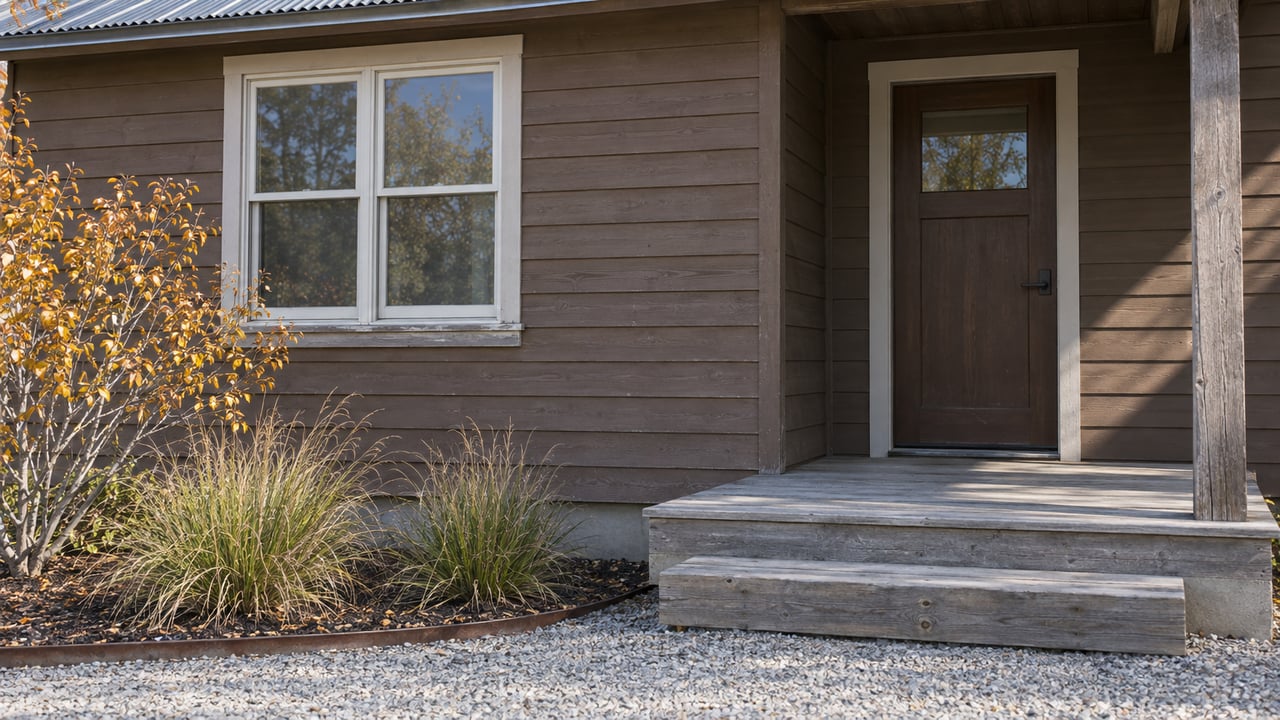
- Exterior images in good natural light
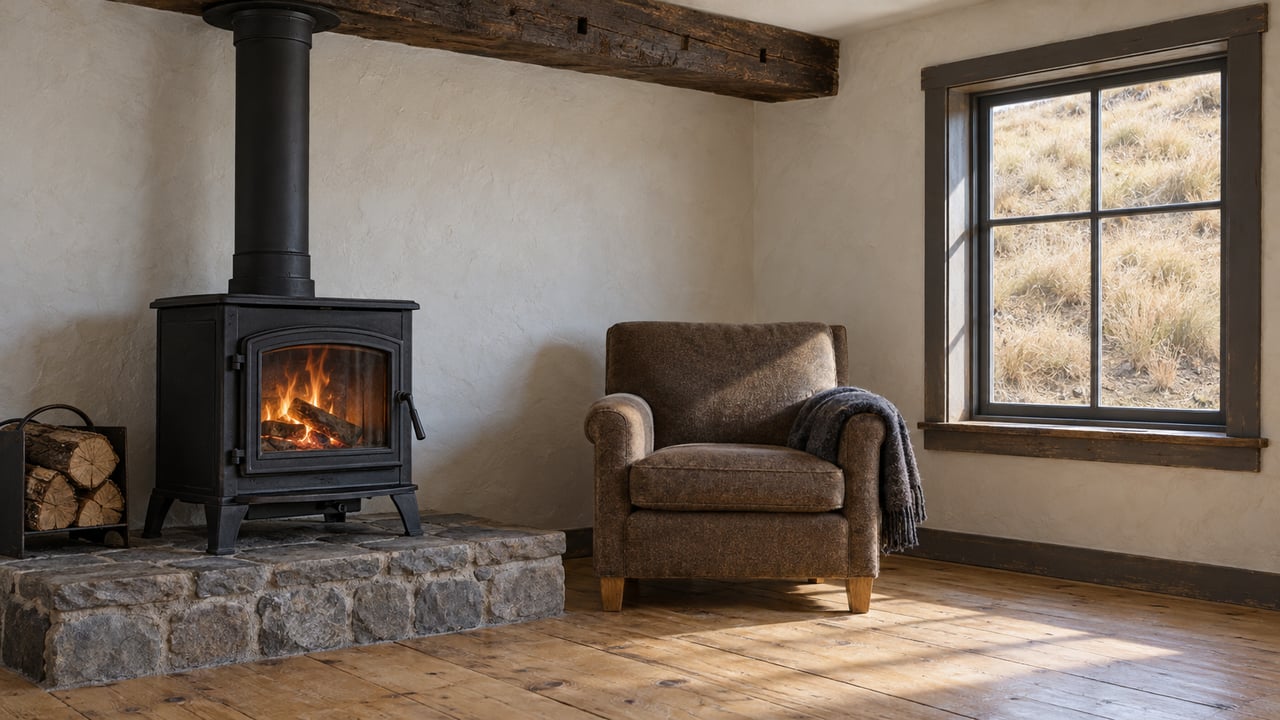
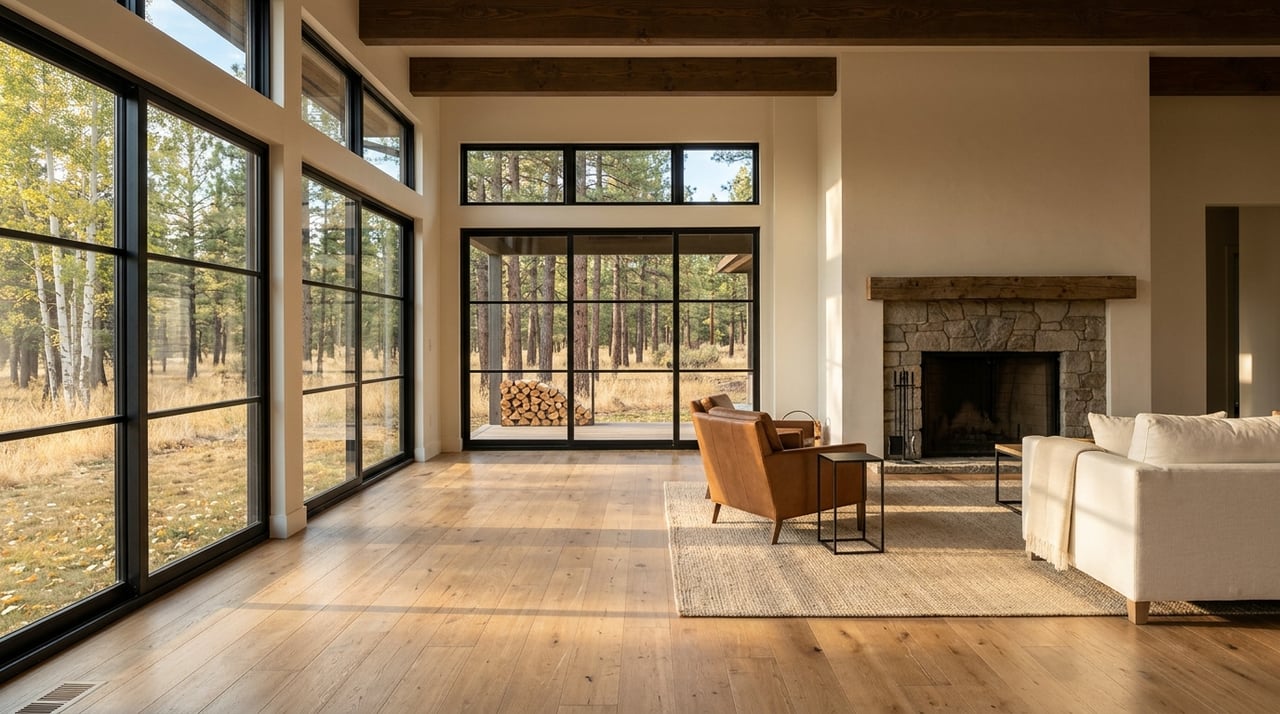
- Interior photos that show comfort and function
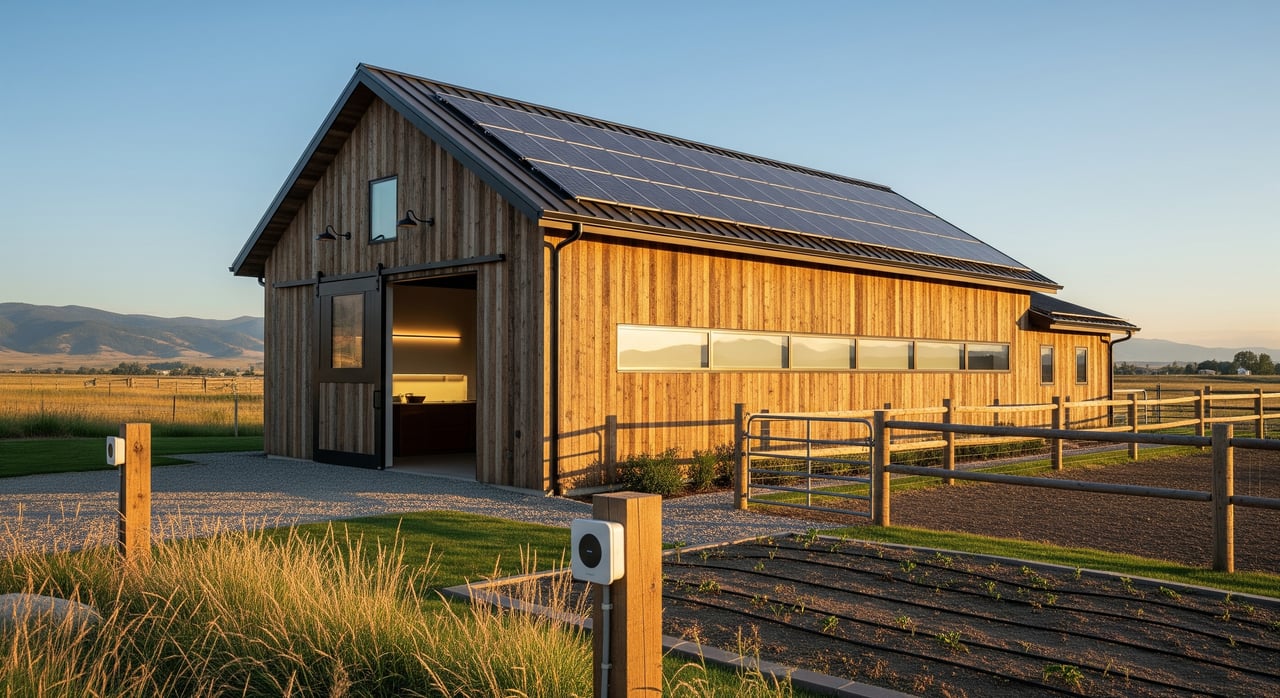
- Images of outbuildings, fencing, corrals, or equipment storage
- Seasonal photos if access or scenery changes throughout the year
Price With Current Market Reality
Pricing rural property takes care and current local context. In Sweet Grass County, Montana Department of Revenue data shows the county’s median residential home market value rose from $299,000 to $367,000 from tax year 2024 to 2025. That is not the same as sale price, but it does suggest that sellers should not rely on outdated assumptions.
A cabin or acreage near McLeod should be priced with current comparable sales, land characteristics, improvements, and utility in mind. Water rights, access quality, winter usability, and recreation appeal can all influence value. The more unique the property, the more important it is to build a pricing strategy around facts rather than guesswork.
Prepare County-Level Documents Early
Good rural marketing is not just about presentation. It is also about removing uncertainty before buyers ask hard questions. In Sweet Grass County, planning and related review can affect how acreage is understood, especially when future land division is part of the conversation.
If a seller hopes a buyer will see subdivision potential, that possibility should be verified before it appears in marketing. County review can be triggered when land divisions create parcels under 160 acres. It is better to market confirmed facts than to rely on broad assumptions about flexibility.
The county weed district also plays a practical role for some land sales. For raw land or lightly improved acreage, noxious weed history, mitigation work, and seasonal inspection timing can affect buyer confidence. These details may not be flashy, but they can help a serious buyer feel more comfortable moving forward.
Documents to gather before going live
- Recorded access documents or easements
- Water-right records and supporting conveyance documents
- Survey or boundary information
- Notes on road maintenance and snow removal
- Utility, internet, and cell-service details
- County information relevant to subdivision or land-use questions
- Weed management or inspection records, if applicable
Answer Buyer Questions Before They Ask
The best marketing for McLeod-area cabins and acreage anticipates how buyers think. A recreation or lifestyle buyer is often shopping from a distance, comparing several properties, and trying to picture ownership quickly. The more clearly you answer the practical questions, the more confidence you create.
That means your listing should not stop at scenic language. It should explain how the property works in real life. When buyers understand access, water, seasonality, land use, and connectivity up front, they are more likely to stay engaged and move toward a showing.
Why Boutique Marketing Matters Here
A niche property needs targeted storytelling and strong execution. In a market like McLeod, broad exposure helps, but polished presentation and accurate details are what turn interest into real buyer action. That is especially true for discretionary and second-home buyers, who often begin with an emotional response and then quickly shift into due diligence.
That is where owner-led, land-savvy marketing stands out. When your broker understands rural access, acreage value, water-right documentation, and the lifestyle appeal of south-central Montana, your property can be positioned with more confidence and clarity from day one.
If you are thinking about selling a cabin or acreage near McLeod, the right strategy starts with the right story and the right facts. For owner-led guidance, thoughtful pricing, and polished rural property marketing, connect with Dayle Stahl.
FAQs
What matters most when marketing acreage near McLeod, Montana?
- Buyers usually focus on access, water, seasonality, recreational appeal, land utility, and clear documentation just as much as they focus on the cabin itself.
How should a McLeod cabin listing describe river access?
- A listing should clearly separate deeded frontage, easement access, nearby public access, and water views, because buyers see those as very different features.
Why is winter access important for Sweet Grass County properties?
- Seasonal weather can affect road conditions and usability, so buyers want to know if a property is winterized, plowed, and realistically reachable during colder months.
Do water rights help sell rural property near McLeod?
- They can, especially when the property has irrigation, stockwater, or ditch-use history, but the value depends on having clear records and accurate marketing.
Can you market a Sweet Grass County acreage as subdividable?
- Only if that potential has been verified, because land divisions that create parcels under 160 acres can trigger county review.
What kind of marketing works best for a cabin near McLeod?
- Strong listings usually combine quality photography, aerial images, clear maps, practical property details, and a description that explains how the property lives across the seasons.