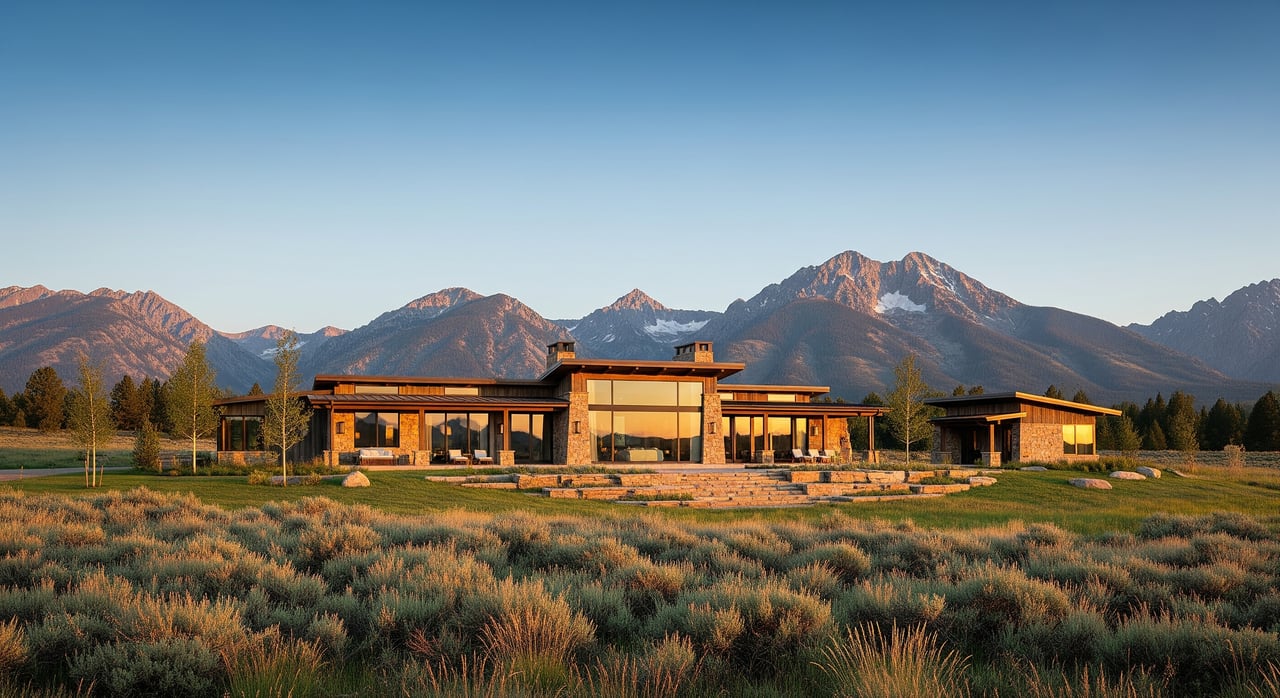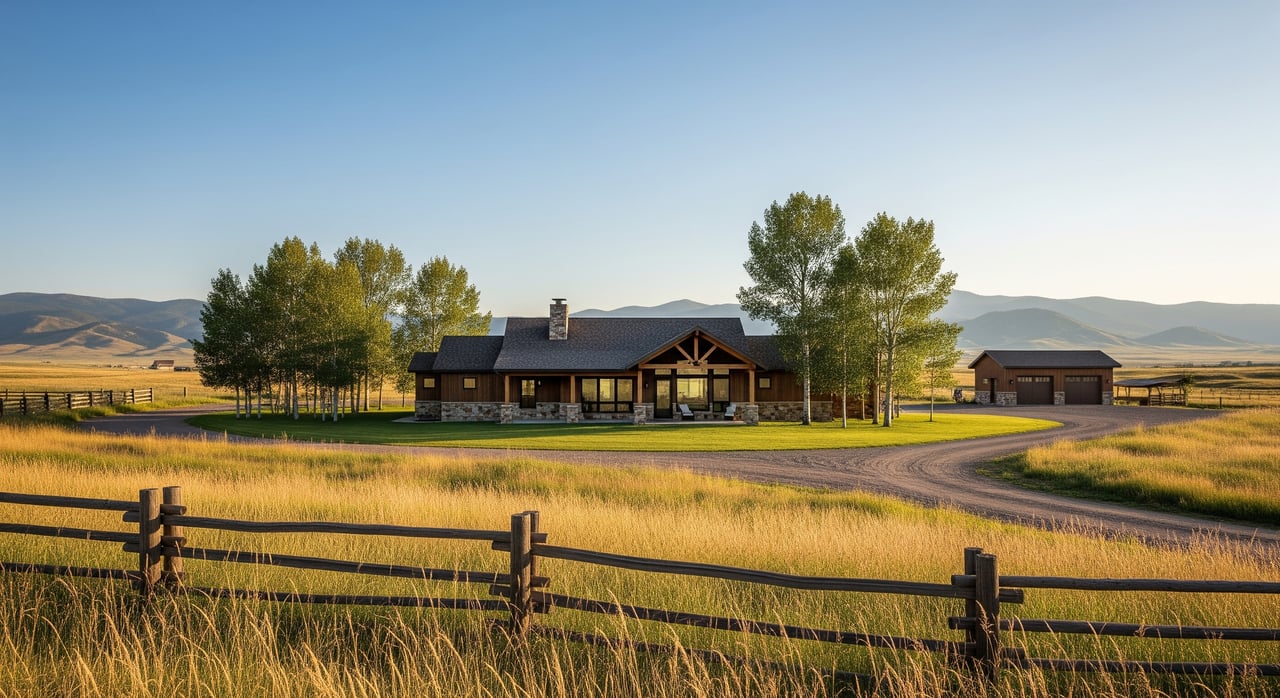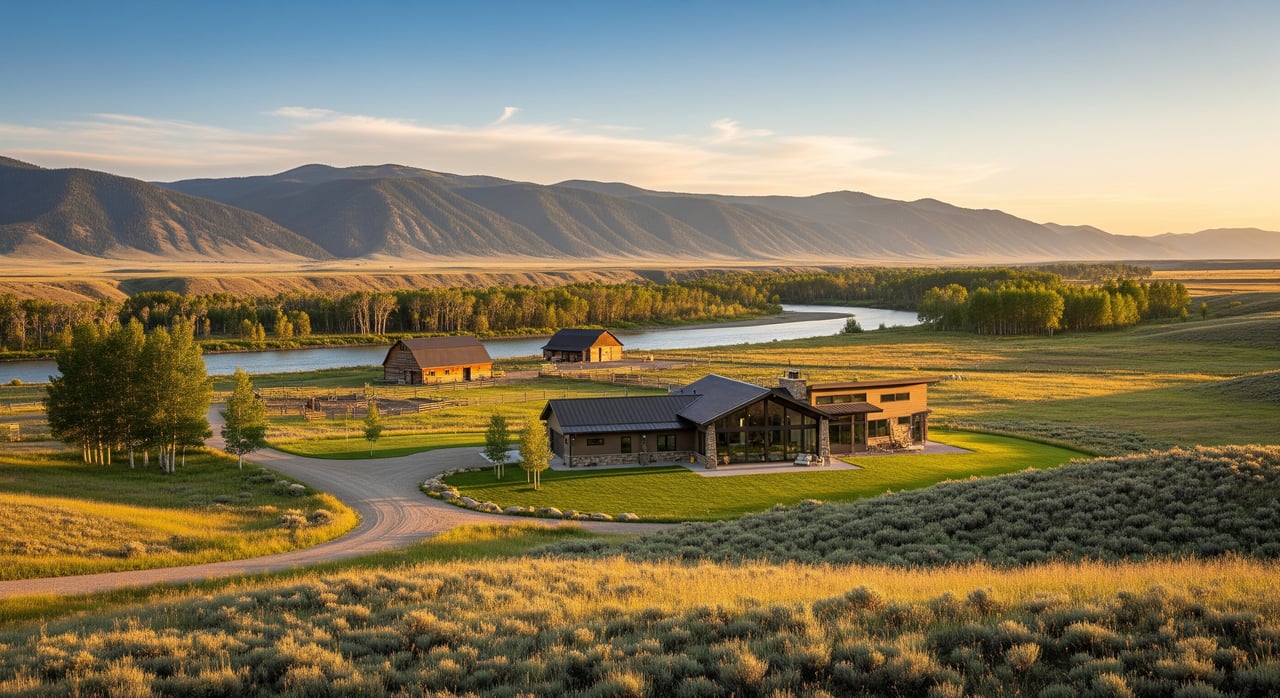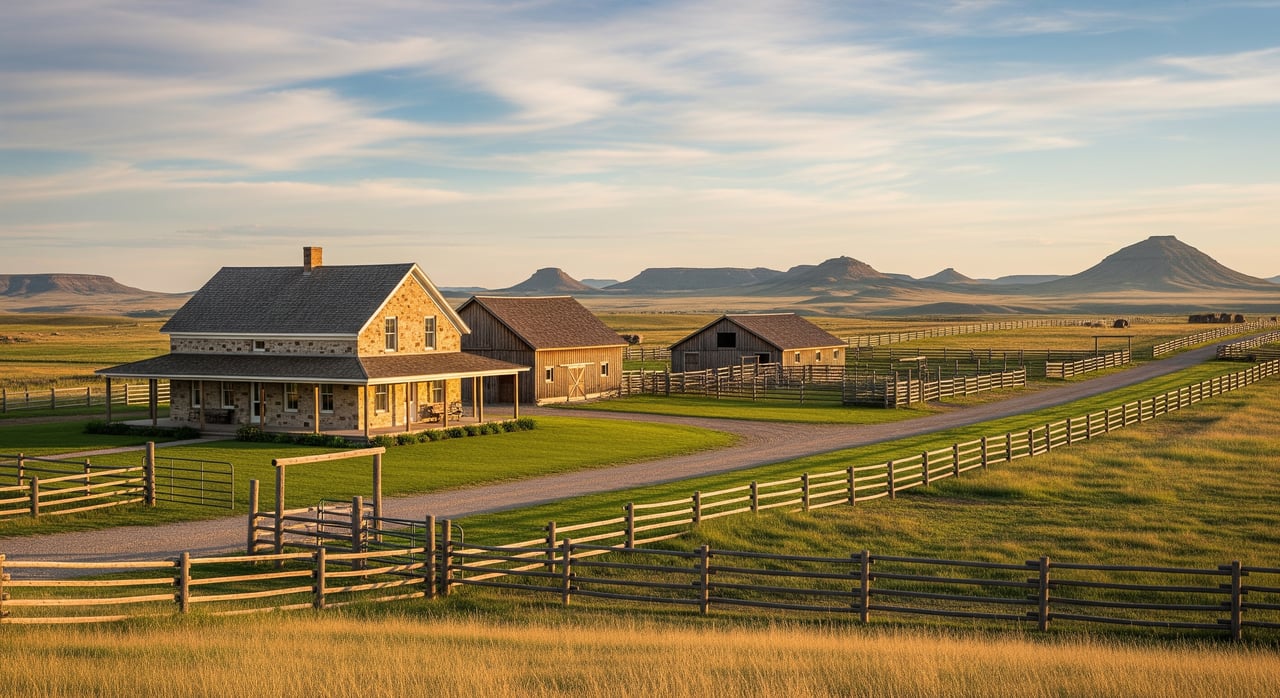
Buying a ranch near Jordan, Montana, can look simple on paper: wide-open land, big skies, and room to work or recreate. But in Garfield County, a ranch’s real value often comes down to details you cannot fully judge from a listing sheet alone. If you are thinking about buying in this part of Eastern Montana, it helps to know what to verify before you make an offer. Let’s dive in.
Why Jordan-Area Ranches Need Extra Review
Jordan is the county seat of Garfield County, a large, lightly populated county where ranching plays a central role in the local economy. The county had 1,173 residents in 2020 and covers about 4,849.2 square miles, with about 60% privately owned land.
This is also dry country. NRCS reports average annual precipitation of about 11 to 14 inches, and much of the county drains through Big Dry Creek, which is often intermittent after about mid-July. For you as a buyer, that means water reliability, forage planning, and practical access should be front-and-center from day one.
MSU Extension notes that agriculture is the primary industry here, with cattle herds on rangeland and dryland barley and wheat among the main crops. That local context matters because a ranch near Jordan is not just a piece of land. It is an operating property with physical, legal, and seasonal realities that affect day-to-day use and long-term value.
Access Comes First
It is easy to focus on acreage, views, or improvements first. In this market, legal access deserves just as much attention.
BLM guidance makes clear that users on BLM lands must have legal access and travel on existing roads and trails, and some roads or access points may be restricted or closed for management or safety reasons. Nearby areas around Jordan also show how conditions on the ground can vary, with some locations having difficult access or limited water.
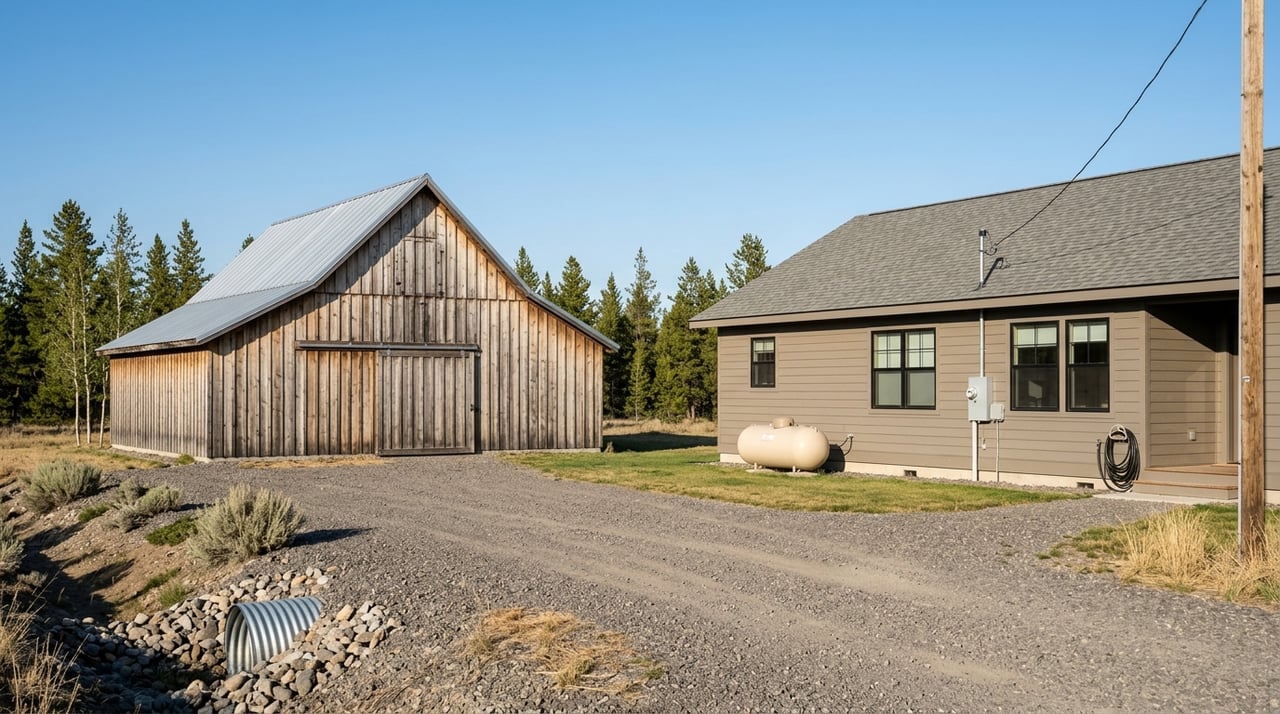
For a private ranch purchase, you should confirm more than whether a road appears on a map. You will want to verify deeded access, recorded easements, gate rights, and who is responsible for road maintenance.
Garfield County’s Clerk and Recorder office in Jordan is a key place to review land records and recorded documents. The county treasurer’s public property tax search can also help you check carrying costs as part of your due diligence.
Road conditions are another practical issue. MSU Extension notes that Brusett can be reached only by dirt roads, which is a useful reminder that surface conditions can change quickly once you leave the main routes. Before you commit, drive the property in more than one set of conditions if possible, not just on a clear, dry day.
Water Rights Matter More Than Water Features
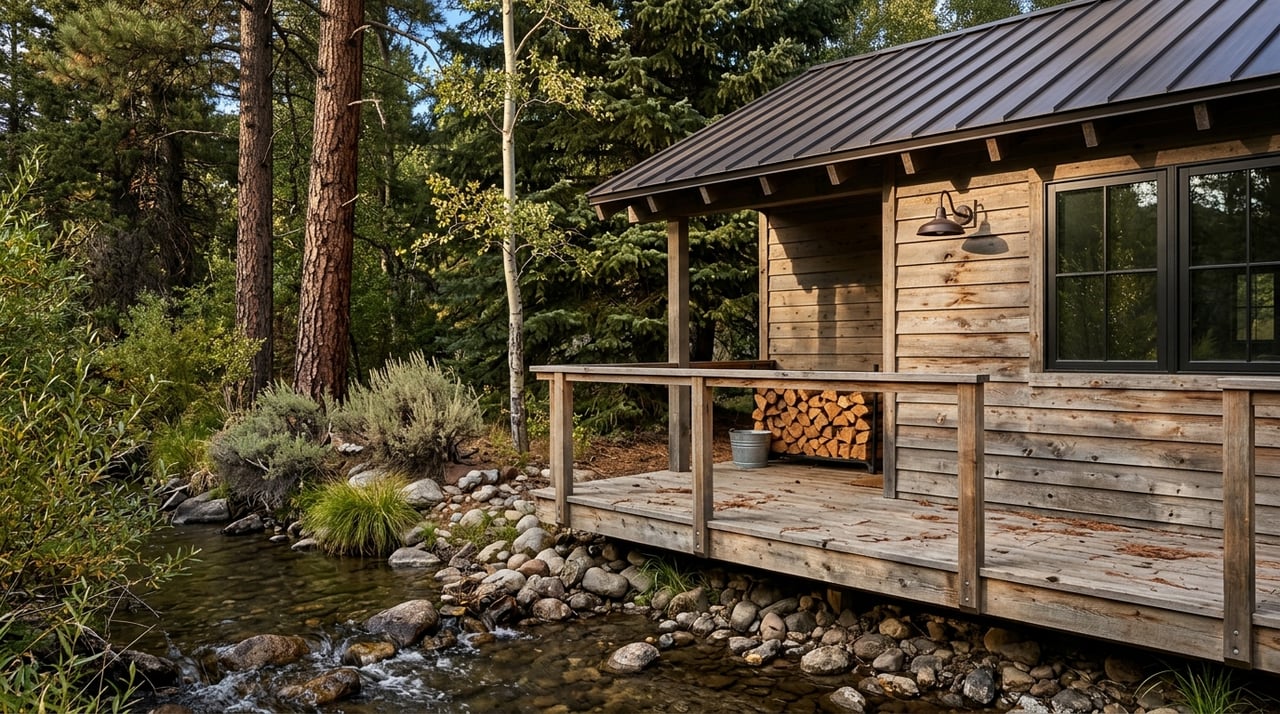
In the Jordan area, water is often one of the biggest drivers of ranch value. A creek, spring, ditch, pond, or well may look promising, but you should never assume visible water equals usable water rights.
Montana DNRC states that the waters within Montana belong to the state, and a recorded water right is required for the majority of water uses. MSU Extension adds an important point for buyers: a water right is a property right to use water, not own it, and those rights can be severed from the land or reserved in a sale.
That means one of your first questions should be simple: Which water rights are actually included with this property? If the answer is vague, that is a sign to slow down and verify the record.
How To Check Water Rights
MSU Extension outlines a clear due-diligence process for water rights in Montana. Before buying a ranch near Jordan, you should:
- Obtain the DNRC water right claim information
- Compare the legal descriptions to the property you are buying
- Check historic irrigated acres, if irrigation is part of value
- Review Water Resources Survey maps
- Look at aerial photos and topographic maps
- Visit the property in person
MSU Extension also recommends a late-summer site visit when water conditions are often at their lowest. That advice carries extra weight in Garfield County because of the area’s dry climate and the fact that Big Dry Creek is often intermittent later in the season.
If water rights are a major part of the ranch’s value, MSU Extension says buyers should strongly consider hiring a water-rights consultant or attorney. That can be a smart step when the property includes irrigation claims, multiple sources, or unclear historic use.
Separate Water Sources by Use
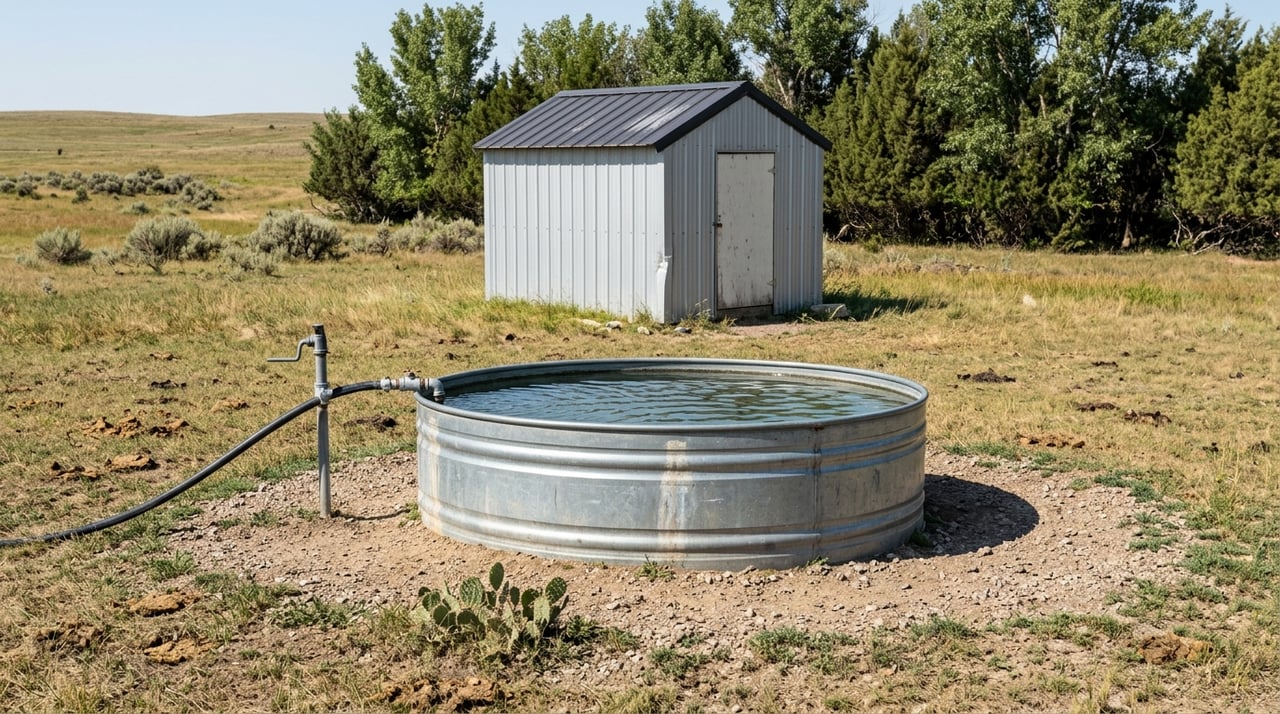
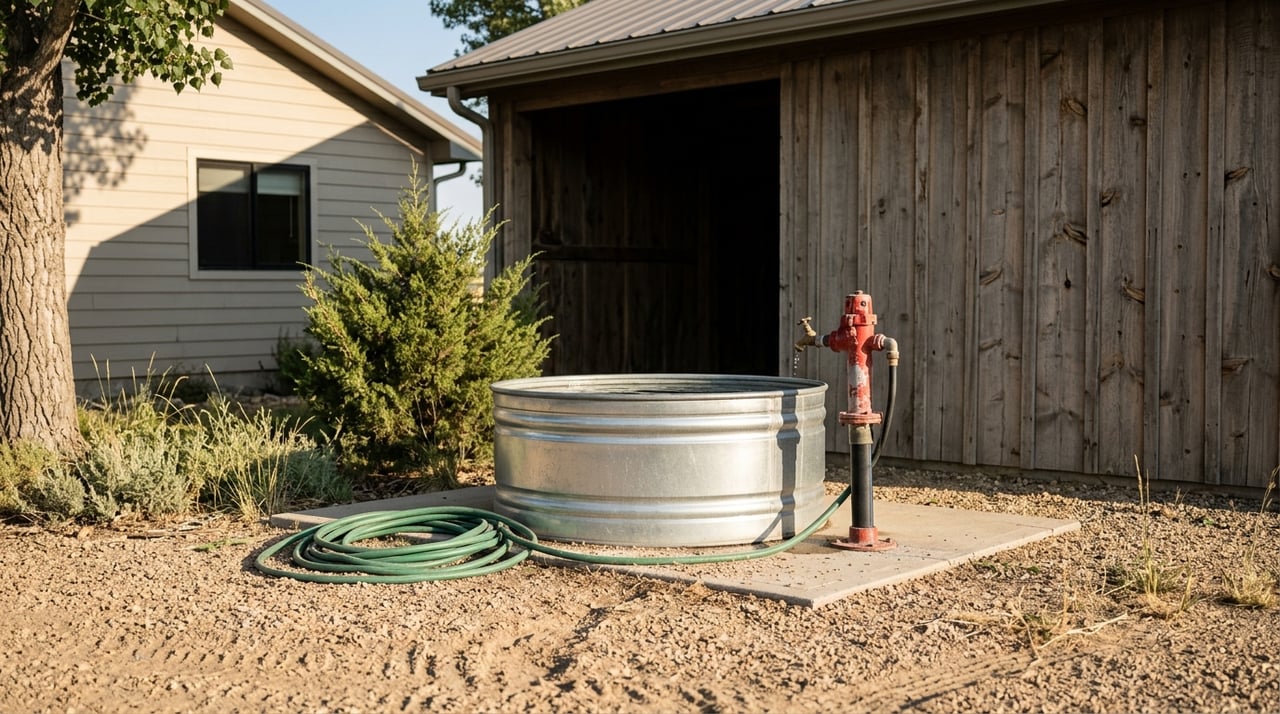
Not all water serves the same purpose, and that distinction matters during underwriting. You should separate stock water, irrigation water, wells, springs, and ditch rights rather than treating them as one general category.
For example, a source that supports livestock use may not support the irrigation plan you have in mind. A seasonal source may also look very different in spring than it does later in summer. In a dry county like Garfield, those differences can have a major impact on both usability and value.
Grazing Capacity Should Be Measured
If you are buying a working ranch, the carrying capacity of the land should be treated as a measurable trait, not an estimate based on appearances. Grass, soils, slope, water distribution, and weather patterns all affect how the property can be used.
MSU Extension says the long-term ecological and financial health of a ranch depends on balancing livestock numbers with forage supply. It also warns that overstocking can reduce livestock performance and damage soil and vegetation.
That is why you should be cautious about broad statements such as “this place runs X head” unless the claim is backed up by solid local support and property-specific conditions. Numbers that worked in one season or under one operator may not tell the full story for your intended use.
Review Soils and Forage Potential
NRCS says soil surveys help landowners understand land limitations and potential, including forage production. The Web Soil Survey provides current soil data and maps that can support land-use decisions.
For a ranch buyer, that means reviewing more than total acreage. You should look at native range, seeded pasture, soil depth, slope, drainage, and any wet or flood-prone areas before assuming the land will support a certain stocking rate or improvement plan.
A section of acreage that looks productive from the road may have limitations that affect grazing, water development, fencing plans, or future improvements. Soil and forage review can help you avoid overestimating what the property can sustainably do.
Local Support Can Help You Evaluate a Ranch
You do not have to sort through every ranch detail alone. Garfield County has a practical support network that can help you understand land and resource questions during the buying process.
The Garfield County Conservation District focuses on preserving land, water, and natural resources. It also offers noxious-weed control programs and landownership maps, both of which can be useful when you are evaluating a property’s condition and surrounding context.
MSU Extension in Garfield County provides research-based agriculture and natural-resource education. NRCS also has a Jordan office that provides voluntary technical and financial assistance to private landowners interested in natural resource conservation.
These local resources can add useful context as you evaluate how a ranch functions on the ground, especially if you are coming from outside the area or buying a type of property that is new to you.
A Smart Pre-Offer Checklist
Before you write an offer on a ranch near Jordan, it helps to slow down and confirm the basics that affect value most.
Here is a practical checklist to keep in mind:
- Confirm deeded access, easements, and road maintenance responsibility
- Verify which water rights are attached, which may have been severed, and whether any rights will be reserved by the seller
- Match claimed irrigated acres or stock-water sources to historic use, maps, aerials, and a field visit
- Review soils and forage potential before making assumptions about stocking rate
- Check weed pressure, fencing, and water infrastructure
- Review tax records and recorded documents through county offices in Jordan
- Build the right team, which may include a surveyor, title or closing professionals, an ag lender or appraiser, and water-rights specialists if needed
In practical terms, many Jordan-area ranch purchases come back to three questions: Is the access recorded? Is the water documented and usable? Can the range sustainably support the intended use? If you can answer those clearly, you are in a much stronger position to evaluate the property with confidence.
Work With a Broker Who Understands Ranch Details
A ranch purchase near Jordan is rarely just about price per acre. It is about how the property works in real life, how the records line up with what you see on the ground, and whether the land supports your goals.
That is where local ranch knowledge matters. When you work with a broker who understands access, water-right questions, and land-based value drivers, you can move through the process with better information and fewer surprises.
If you are exploring ranch property in Montana and want owner-led guidance grounded in the realities of land, water, and access, connect with Dayle Stahl for a direct conversation.
FAQs
What should you verify first before buying a ranch near Jordan, MT?
- Start with legal access, water rights, and grazing capacity, since those three factors often have the biggest impact on usability and value in the Jordan area.
Why are water rights important when buying a ranch in Garfield County?
- Water rights matter because Montana treats them as a property right to use water, and rights can be severed from the land or reserved in a sale.
How dry is the area around Jordan, Montana?
- NRCS reports average annual precipitation of about 11 to 14 inches in Garfield County, which is why late-season water reliability is such an important part of ranch due diligence.
Where can you check ranch records in Jordan, MT?
- You can review recorded land documents through the Garfield County Clerk and Recorder office in Jordan and check property tax information through the county treasurer.
How can you evaluate grazing potential on a ranch near Jordan?
- Review forage conditions, soils, slope, drainage, and water distribution, and use local guidance from MSU Extension or NRCS rather than relying only on informal estimates.
Should you visit a Jordan-area ranch more than once before buying?
- Yes, it is wise to visit in person and, if possible, see the property in different conditions, including late summer when water availability may be easier to judge.