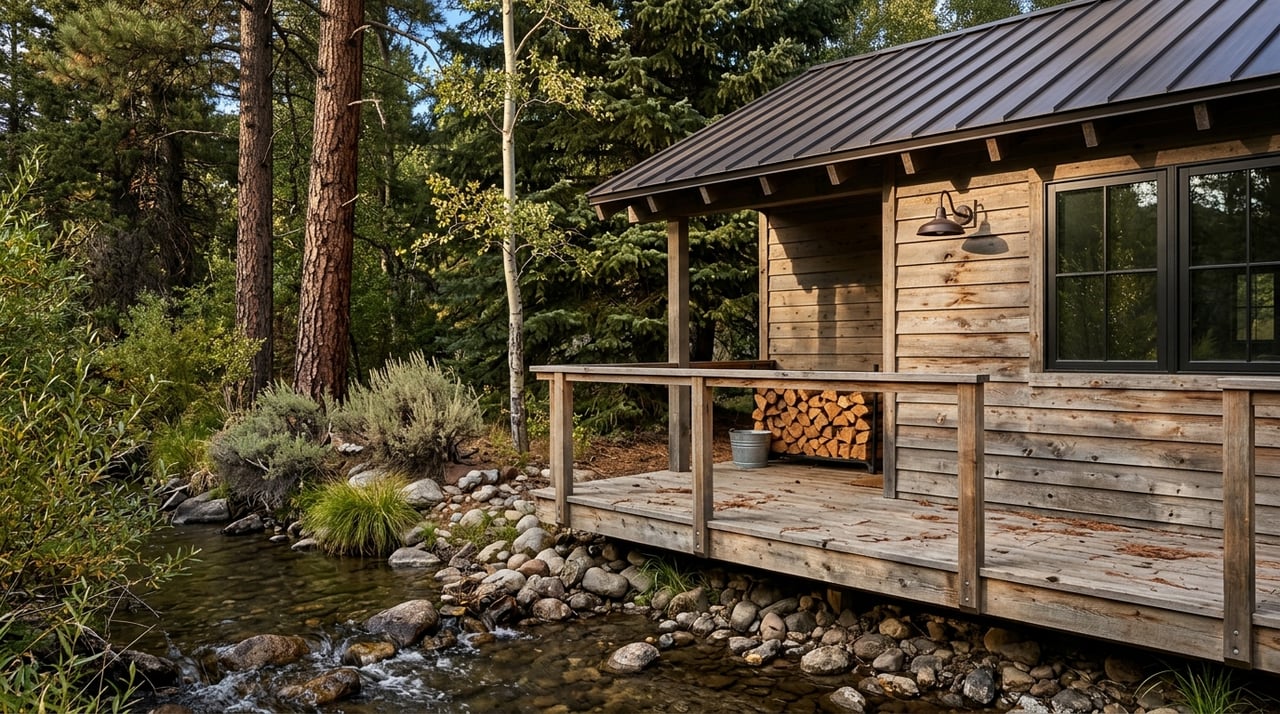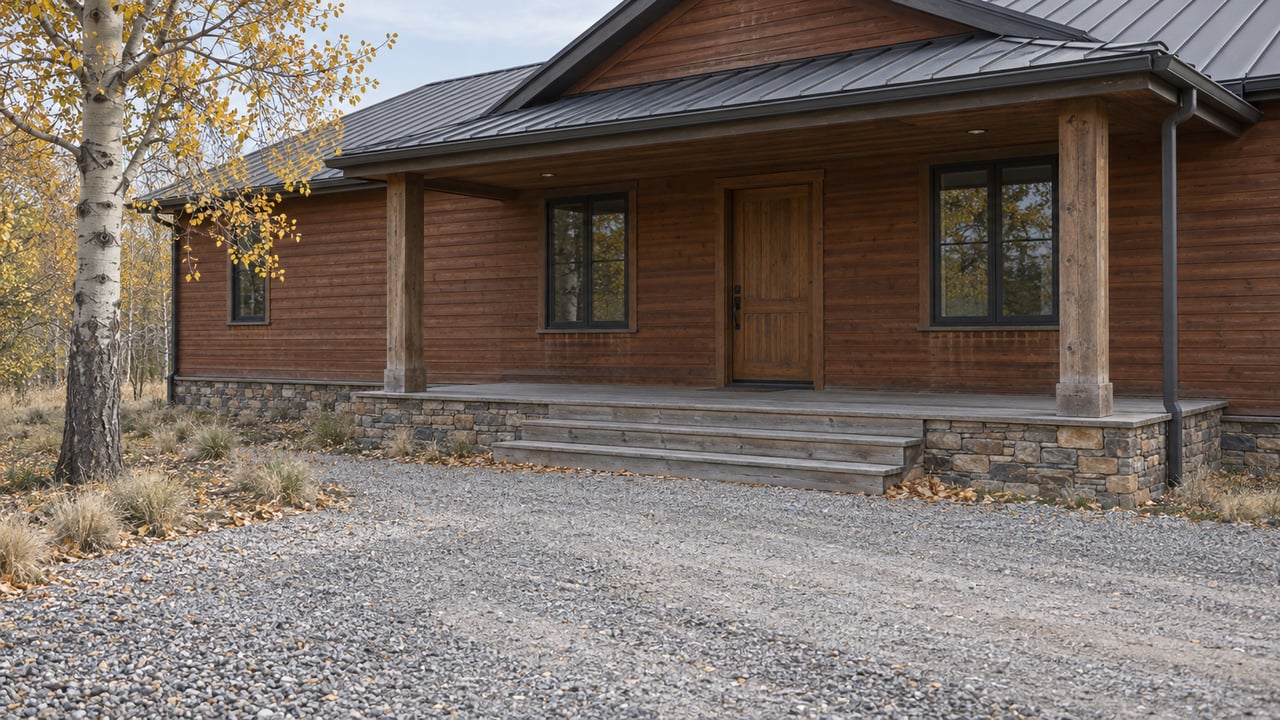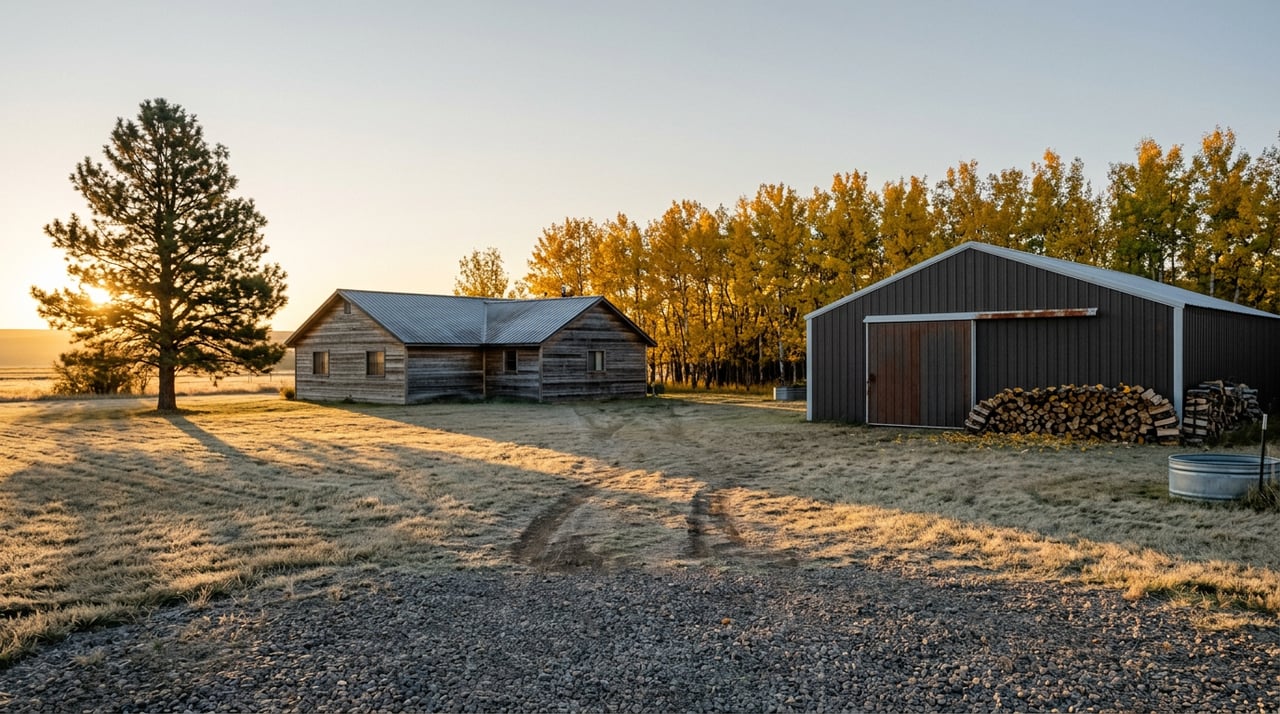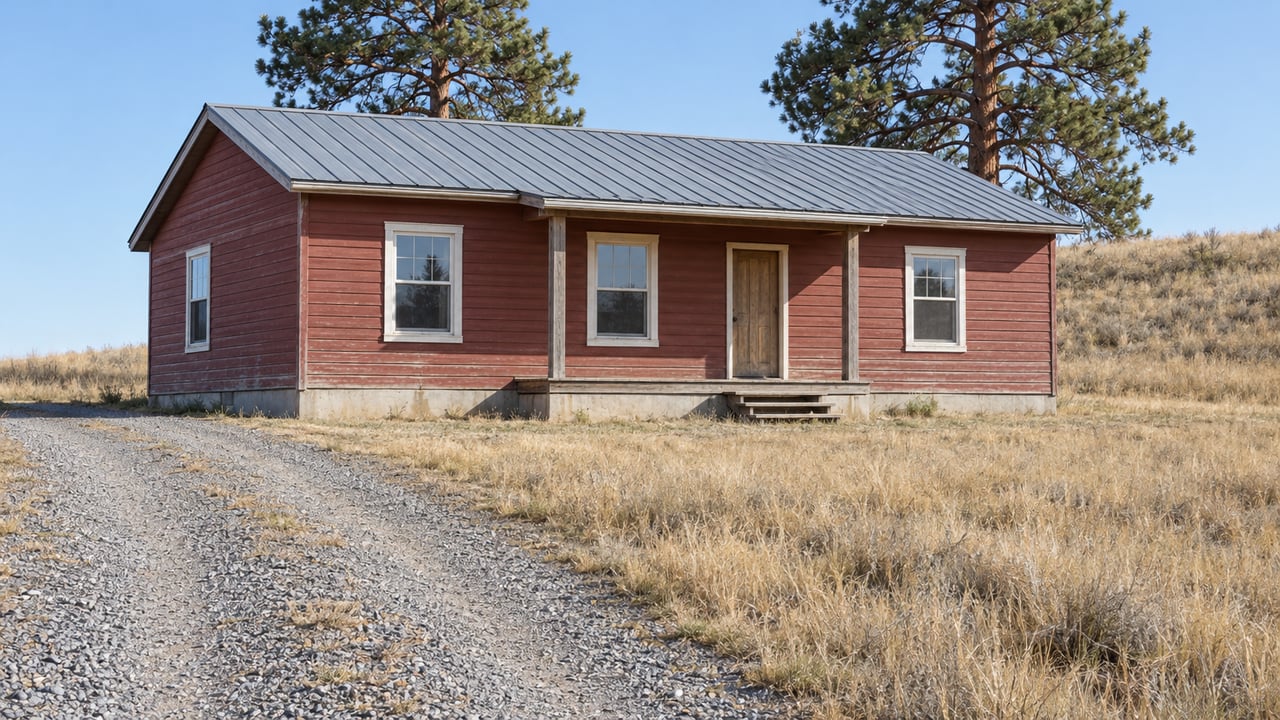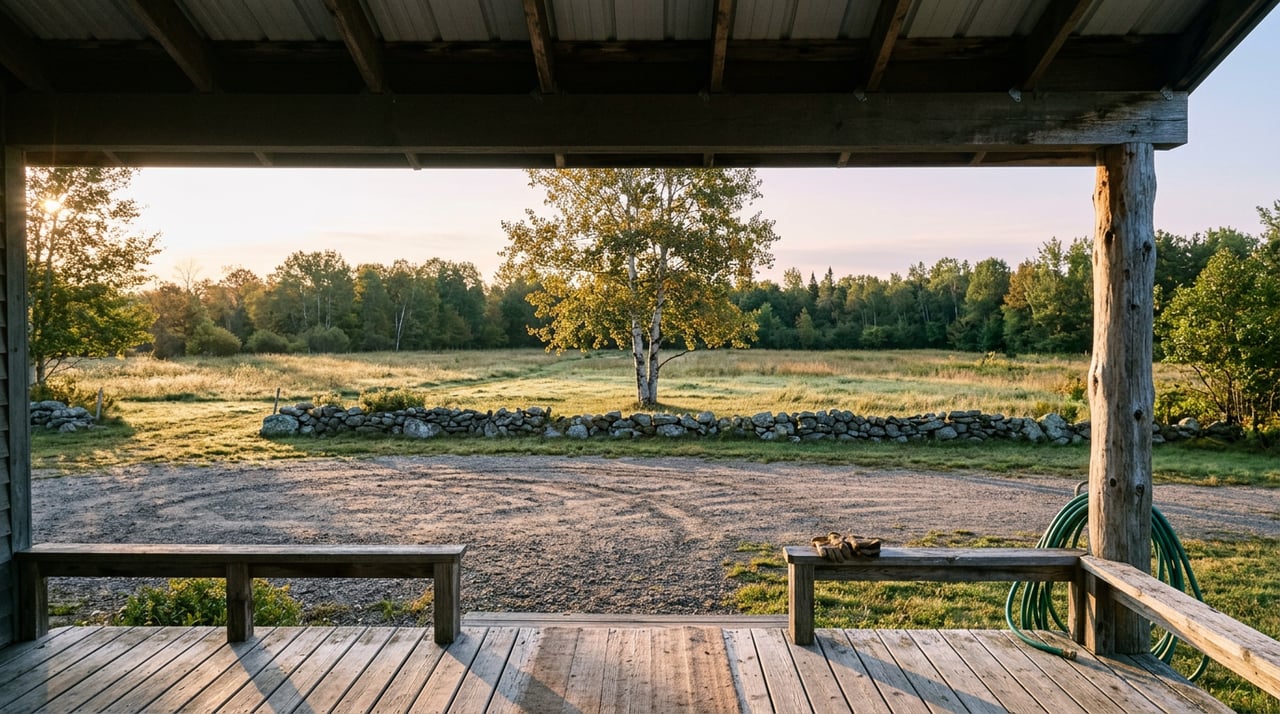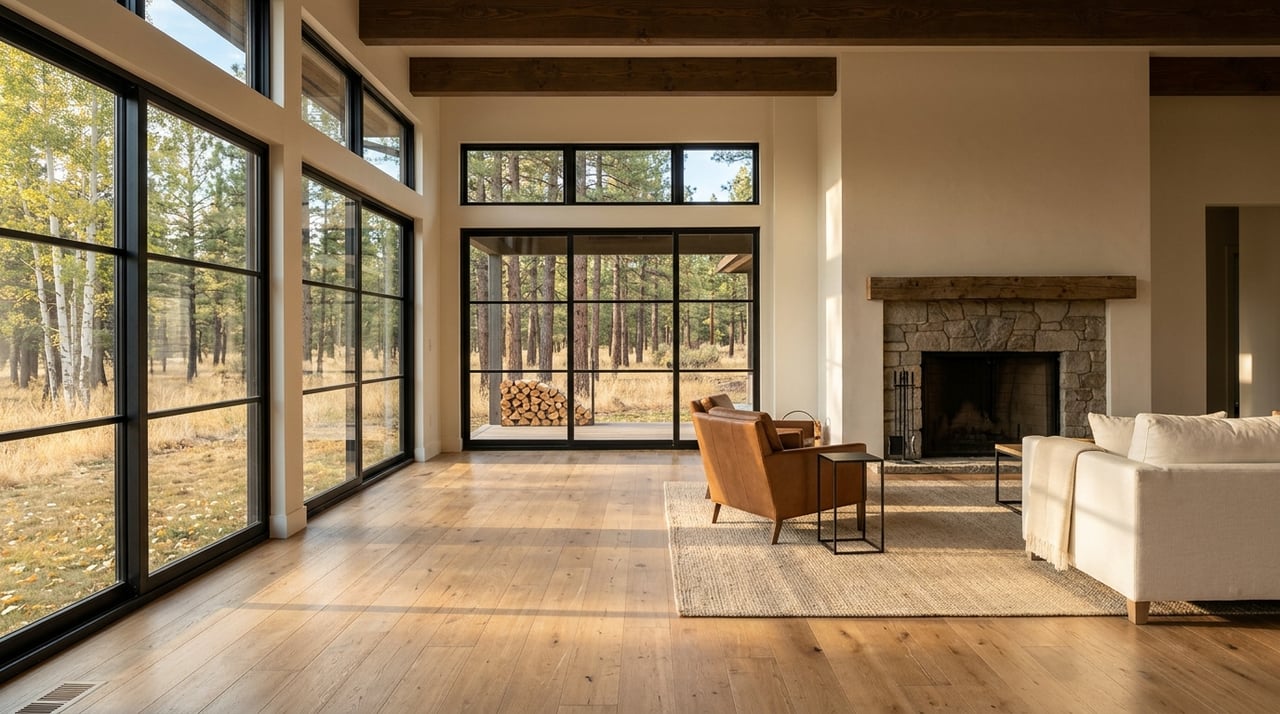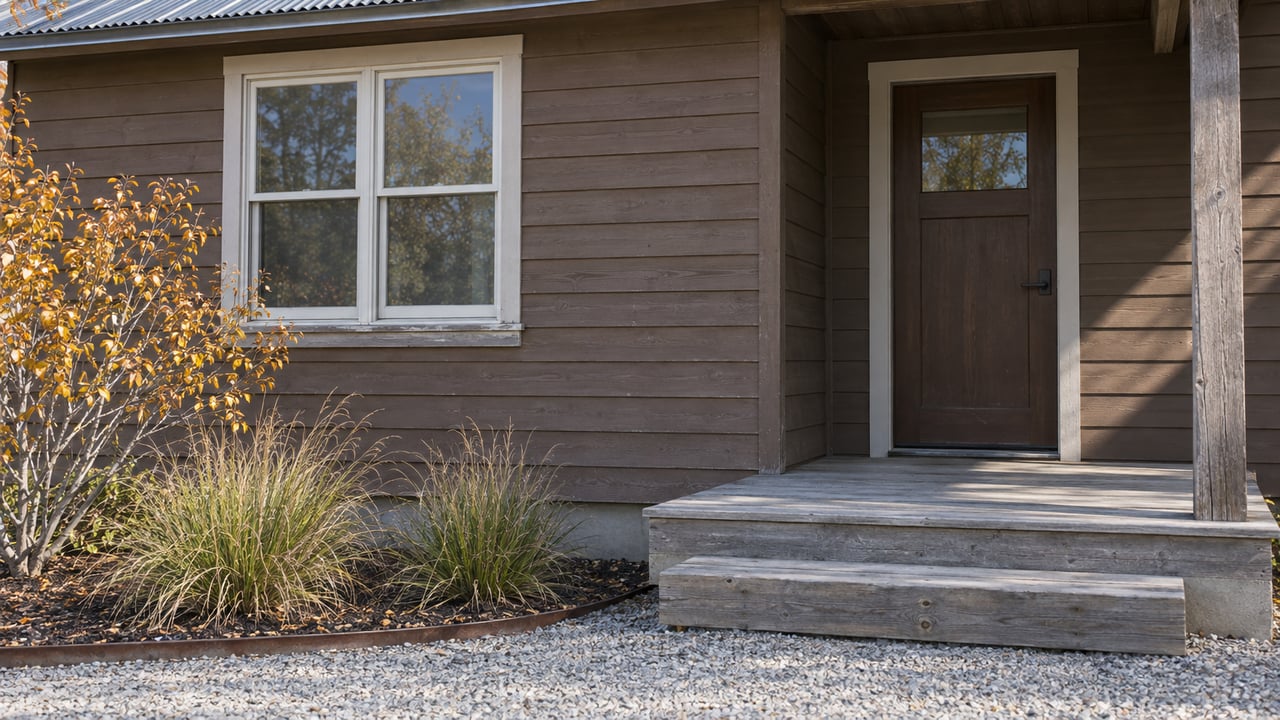
Thinking about buying a cabin or piece of land near the Big Hole River Valley? It is easy to fall in love with the views, the fishing, and the idea of a private Montana getaway. But buying rural property in or near Silver Bow County is very different from buying an in-town home, and the details can affect how you use the land, where you can build, and what it may cost to own. This guide will help you understand the key issues to review before you make an offer, so you can move forward with more confidence. Let’s dive in.
Why This Market Feels Different
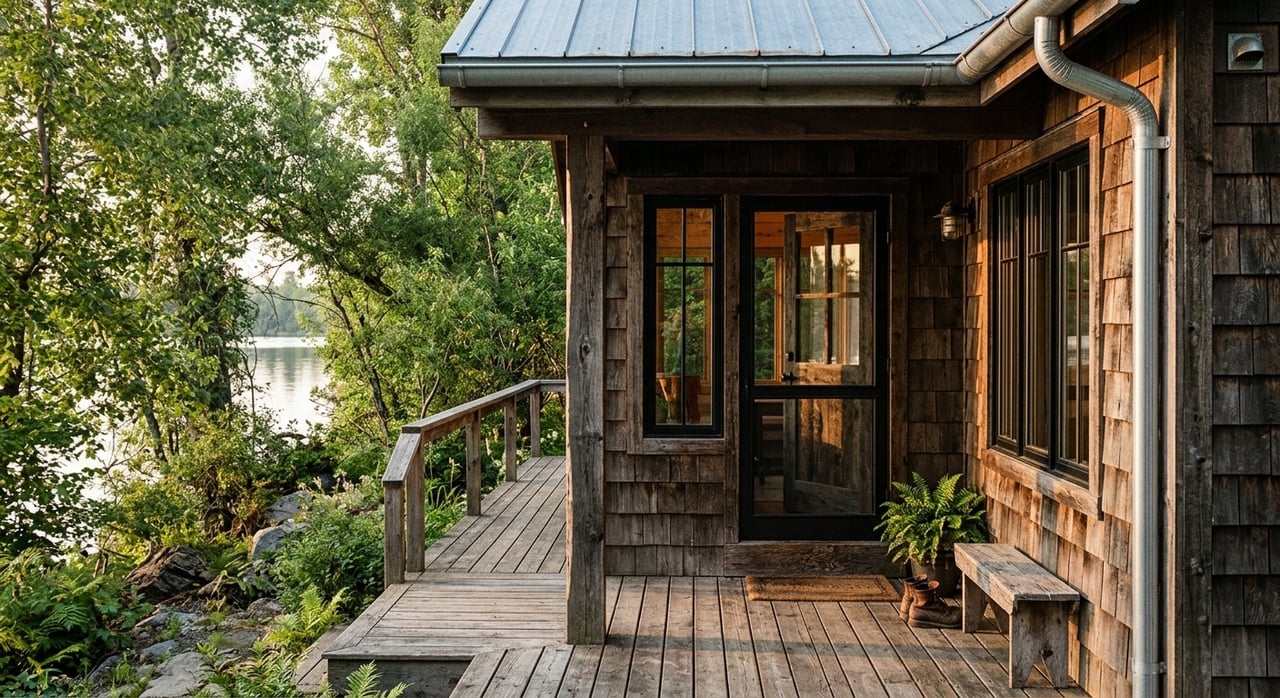
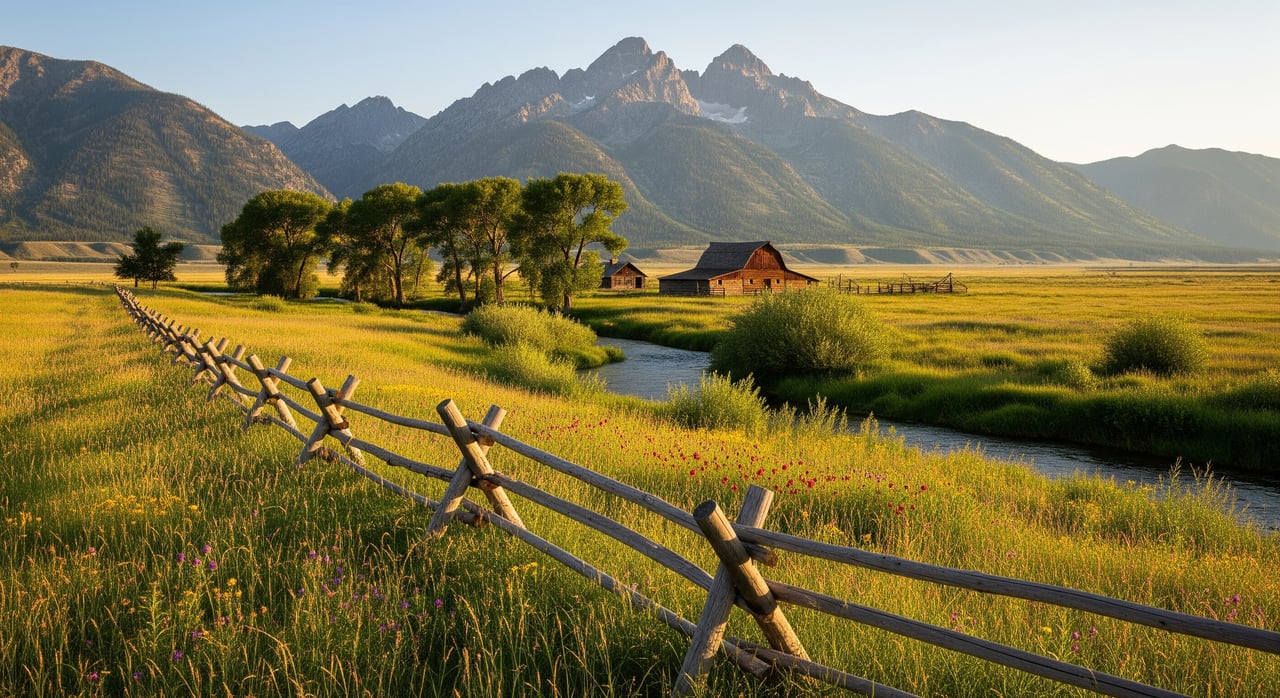
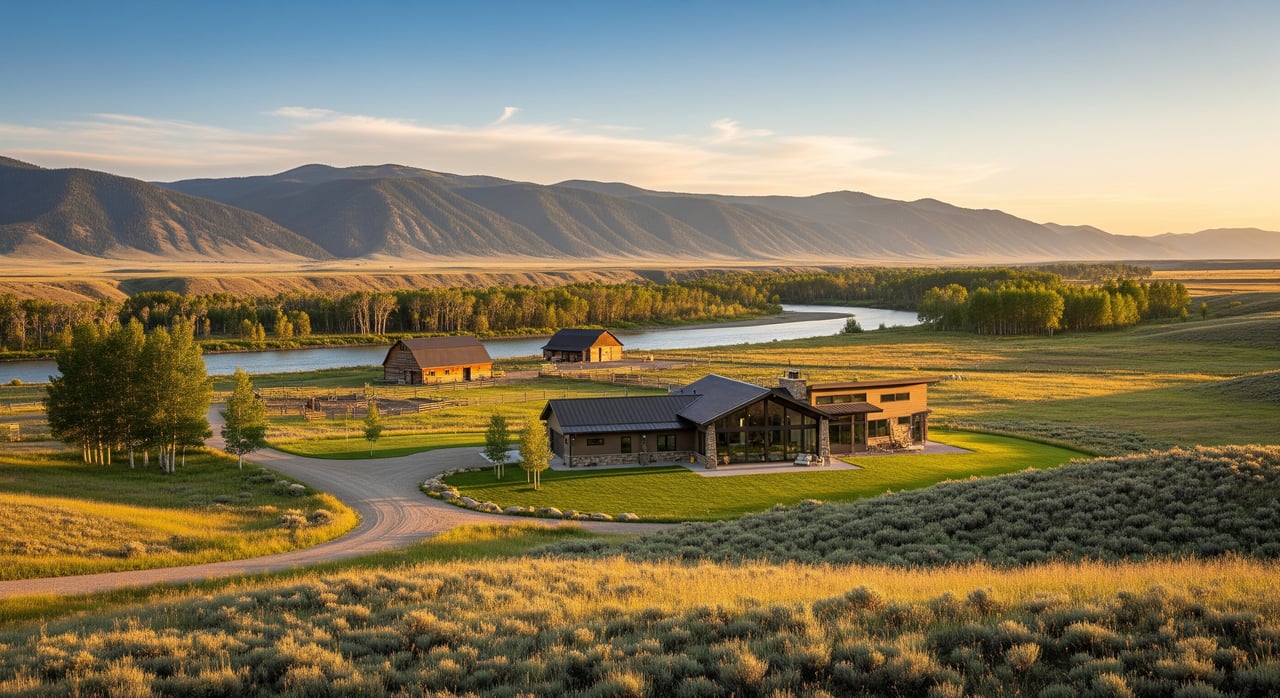
A property near the Big Hole River often carries lifestyle value far beyond the cabin itself. According to the Butte-Silver Bow community factsheet, Butte is a hub for fly fishing, floating, and camping, with the Big Hole River less than an hour away. That means many buyers are not just shopping for shelter. You are often buying access to a recreation-driven lifestyle.
That difference matters because the Big Hole is also a premier trout fishery and one of the most heavily fished waters in southwest Montana. A parcel near the river should be evaluated as a recreation property, not just a standard homesite. Things like access, seasonality, setbacks, and water use may matter as much as the cabin square footage.
Verify The Exact Parcel Location
One of the first steps is confirming exactly where the parcel sits and which county has jurisdiction. The Big Hole corridor crosses multiple jurisdictions, and the Montana channel migration project information notes that buyers should verify the exact county for each parcel before assuming one set of rules applies.
That point is especially important if you are looking at land marketed broadly as being in the Big Hole River Valley. A mailing address, local nickname, or listing description may not tell you everything you need to know. County rules related to zoning, permits, septic, and floodplain review can change from one jurisdiction to another.
Access Matters More Than Many Buyers Expect
Beautiful land is not the same as legally usable land. Before you get too far into a purchase, make sure legal access is confirmed in writing, especially if the route crosses another parcel or state trust land.
Montana’s stream access law allows public use of rivers and streams up to the ordinary high-water mark, but it does not allow someone to cross posted private land to reach the river. In other words, being near the water does not automatically mean you have a legal route to it.
If access crosses state trust land, the Montana DNRC handles easement and right-of-way issues. For private access questions, DNRC specifically advises buyers to work with the listing agent, title company, or an attorney rather than assuming legal access exists. That is a smart step on any rural purchase.
Ask About Road Maintenance
Rural road access can be just as important as legal access on paper. In Butte-Silver Bow, the county provides water, sewer, and road maintenance as essential public services in more urban settings. A rural parcel near the Big Hole may depend on private road agreements instead.
If you plan to use the property seasonally or year-round, ask who maintains the road, how it is handled in winter, and whether there is a written maintenance agreement. This can affect both day-to-day use and future resale value.
Check Zoning And Building Rules Early
If you want to build a cabin, add a guest structure, install a shop, or eventually split the property, review zoning before you remove contingencies. In Butte-Silver Bow, zoning governs land use, and variances and special use permits are handled through the local zoning process.
You should also confirm whether existing structures were permitted and whether your intended use fits current rules. A parcel that looks perfect for a cabin compound may have restrictions that limit where or what you can build.
Floodplain And River Setback Limits
Riverfront appeal can come with real buildability limits. In Butte-Silver Bow, development in mapped flood zones requires a Floodplain Development Permit, and new residential, commercial, or industrial buildings are not permitted in a mapped floodway.
The Big Hole River drainage plan also states that counties in the drainage have adopted development setbacks that limit development within 150 feet of the river. Combined with channel migration mapping, this means a parcel may appear buildable from the road while still having limits on where a cabin, garage, deck, or septic system can go.
Water And Septic Need Real Due Diligence
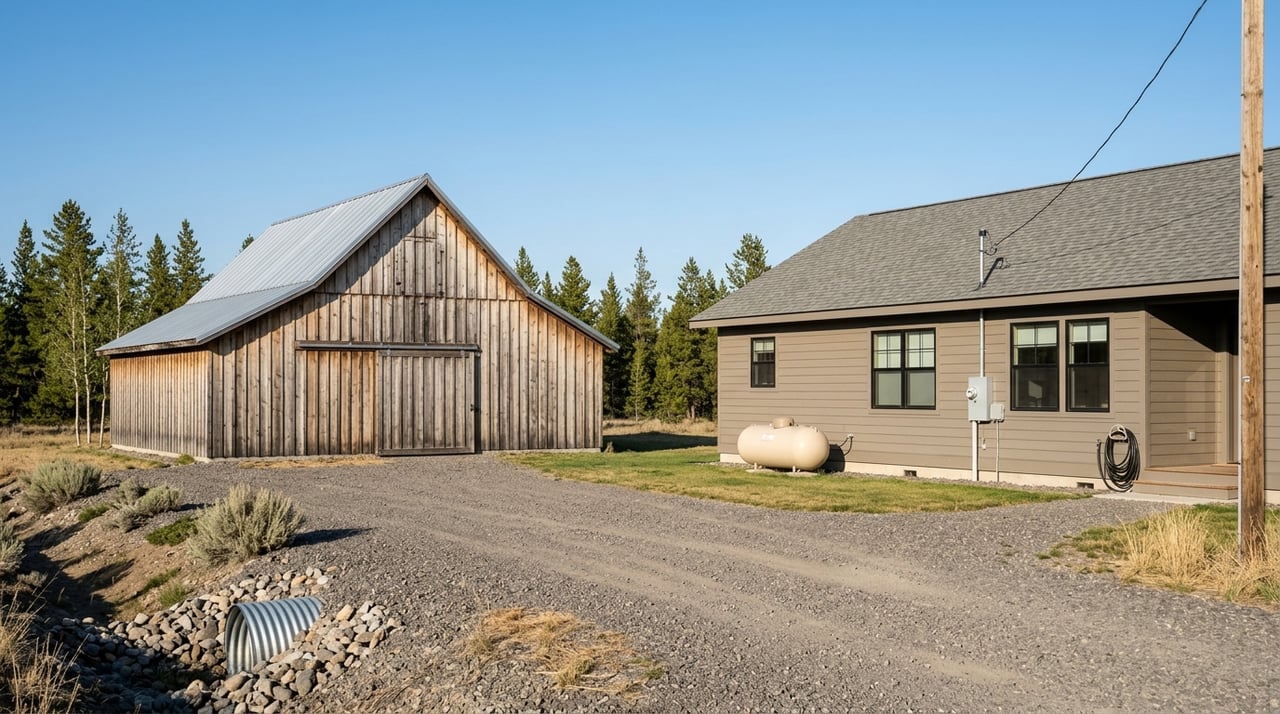
Utilities are often where rural deals become more complex. If the property is not connected to municipal systems, you need to know how wastewater, water supply, power, and communications will work in practice.
For wastewater, septic permits are required for structures that need onsite disposal, and Butte-Silver Bow Environmental Health regulates onsite wastewater systems in the county. If the parcel is vacant, ask whether septic feasibility has been evaluated. If there is an existing cabin, ask for permit records and system details.
For water, the Montana DNRC states that all new uses of water require a water right. Buyers can check existing rights through the state’s Water Rights Query System, and new groundwater uses may involve additional review if they are intended to qualify as an exempt well.
Review Well Data Before Closing
If a parcel has a well or may need one, ask for the well log early. Montana requires licensed well contractors or drillers for new wells, and the Montana Bureau of Mines and Geology GWIC database gives online access to water-well logs and groundwater data.
That information can help you understand depth, production history, and nearby groundwater records. It is one of the most useful tools for rural property due diligence.
Do Not Assume Service And Connectivity
Cabin life sounds simple until you need to work remotely, stream a call, or keep pipes from freezing in January. Rural connectivity can be uneven, and Butte-Silver Bow notes that some major cell providers do not offer coverage in Montana.
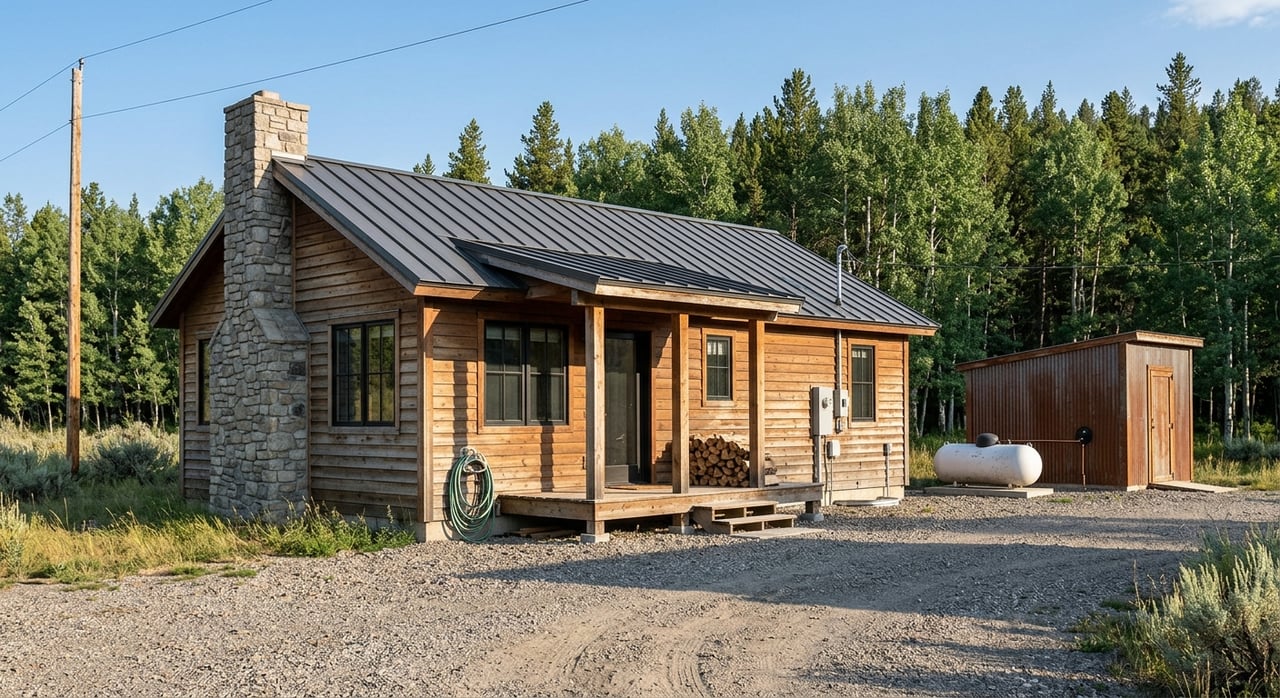
Before closing, confirm:
- Cell coverage at the property
- Internet options and speeds
- Electric service availability
- Propane setup, if any
- Whether utilities are designed for seasonal or full-time use
- Winter access and freeze protection plans
These details may not be obvious during a summer showing, but they can shape your ownership experience in a big way.
Understand River Rules Before You Buy
A river property can be exciting, but it is not the same as unlimited private fishing or floating access. The Big Hole has seasonal rules that can affect how and when you use the river.
Montana Fish, Wildlife & Parks says special recreational use rules and restrictions are in effect on the Big Hole River from the third Saturday in May through Labor Day. The current fishing regulations also include section-specific rules such as catch-and-release-only stretches, artificial-lure-only segments, and limits on launches at or near official access sites.
FWP also notes that emergency regulations and closures may be posted at access sites and on the agency website. If fishing or floating is a major reason for your purchase, it is worth understanding the current rules before you commit.
Licenses And Inspection Rules
If you plan to fish, you need a valid Montana fishing license. If you plan to float, Montana also has watercraft inspection requirements and Aquatic Invasive Species rules, including pass requirements for certain nonresident boats.
This does not make the river less attractive. It simply means that the value of a river-oriented property depends on access type, season, and current regulations, not just proximity to the water.
A Smart Buyer Checklist
Before you remove contingencies, try to verify the following:
- Legal access and recorded easements
- Road maintenance responsibility
- Parcel county and governing jurisdiction
- Zoning, setbacks, and permitted uses
- Floodplain status and channel migration concerns
- Septic permit status or septic feasibility
- Existing well information and water rights
- Electric, propane, cell, and internet service
- Any covenants or recorded restrictions
- Whether seasonal use differs from year-round use
This kind of review can help you avoid surprises and better compare one parcel to another.
Why Local Guidance Helps
Buying land or a cabin near the Big Hole River Valley is often about more than price per acre. You are balancing recreation, access, buildability, utilities, and long-term usability. That is why rural and lifestyle property purchases benefit from careful, local-first guidance.
If you are comparing parcels in or near Silver Bow County and want help thinking through access, water, zoning, and the practical side of Montana rural ownership, connect with Dayle Stahl. You will get owner-led guidance shaped by real experience with Montana land and lifestyle properties.
FAQs
What should you verify first when buying land near the Big Hole River Valley?
- Start by confirming the exact parcel location, county jurisdiction, and legal access in writing before making assumptions about use or buildability.
Do Big Hole River properties in Silver Bow County always have direct river access?
- No. Montana stream access law allows public use up to the ordinary high-water mark, but it does not allow crossing posted private land to reach the river.
Can you build a cabin anywhere on a river parcel in Silver Bow County?
- No. Floodplain rules, mapped floodways, zoning standards, river setbacks, and channel migration concerns can all limit where structures may be placed.
What water and septic questions should you ask when buying a cabin parcel?
- Ask about septic permits or feasibility, existing well records, water rights, and whether the property has reliable utility systems for your intended use.
Are fishing and floating on the Big Hole River allowed year-round without restrictions?
- No. Sections of the river can have seasonal rules, special restrictions, launch limits, and emergency closures, so current FWP regulations should be checked before use.
Why is buying a rural cabin parcel different from buying an in-town home in Butte-Silver Bow?
- Rural parcels may rely on private roads, wells, septic systems, propane, and limited connectivity, while in-town homes are more likely to benefit from broader public services and infrastructure.