If you picture homeownership in Montana as wide views, quiet mornings, and a little more elbow room, Emigrant likely fits that image. This is not a place built around busy shopping centers or dense subdivisions. It is a small Paradise Valley community where day-to-day life often revolves around the river, the mountains, and the practical rhythms of rural living. If you are wondering what it is really like to own a home here, this guide will walk you through the lifestyle, the homes, the logistics, and the tradeoffs. Let’s dive in.
Emigrant at a Glance
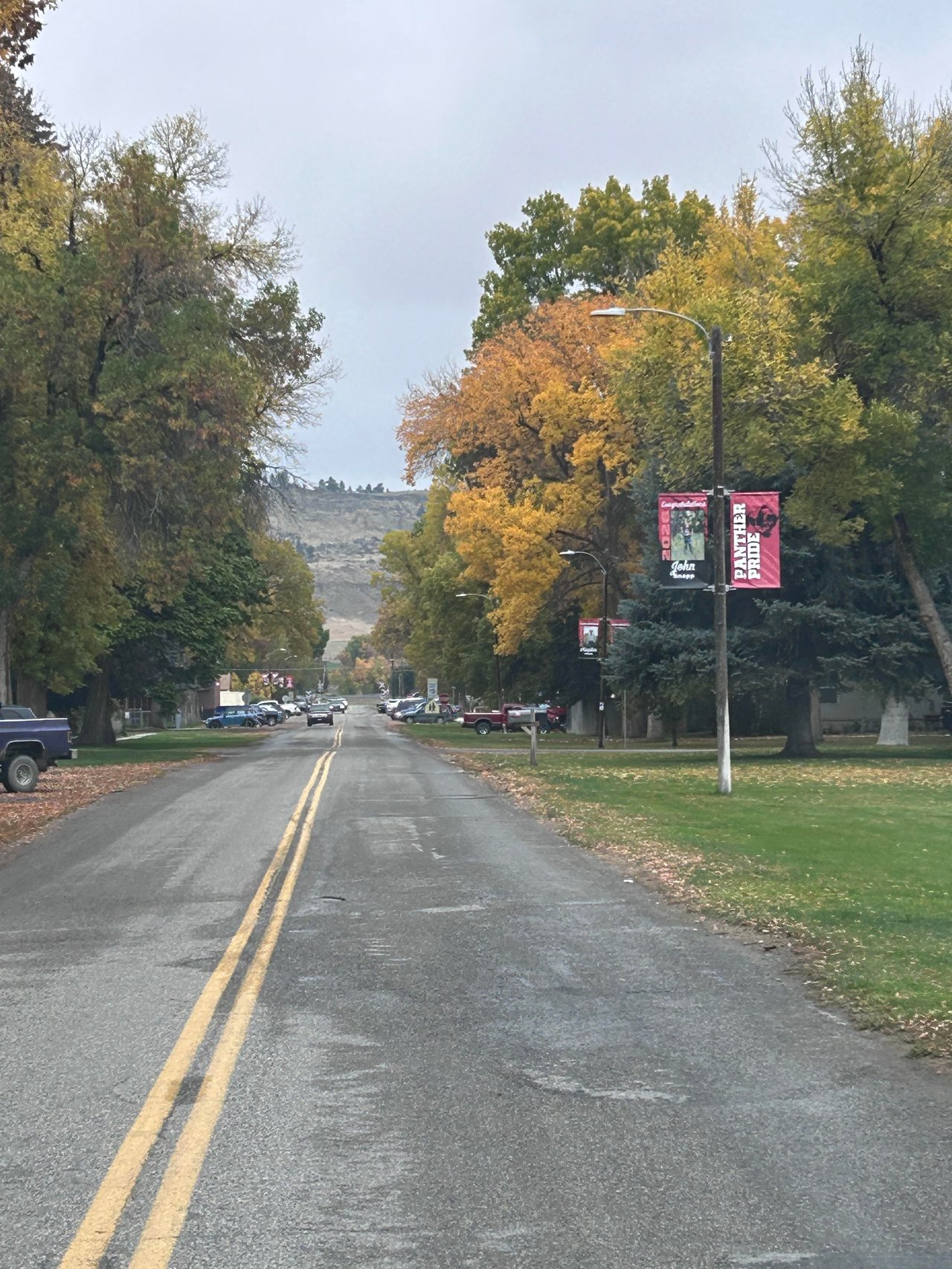
Emigrant is an unincorporated community in southern Park County, set along the Yellowstone River in Paradise Valley. According to Park County’s wildlife overview, Paradise Valley covers about 500 square miles and has roughly 2,100 residents, while Park Local’s community profile places Emigrant itself at around 300 residents.
That small scale shapes almost everything about ownership here. Emigrant tends to feel neighborly, open, and slower-paced than a larger town. At the same time, it sits along the Highway 89 corridor, so daily life includes both year-round residents and travelers heading toward Yellowstone.
The Pace of Daily Life in Emigrant
Owning a home in Emigrant usually means choosing space and scenery over convenience. You are trading quick access to big-box errands for a setting where mountain views, open land, and a quieter routine are part of daily life.
That does not mean the area feels empty. Park Local describes a community with small businesses, a ranching presence, and many workers who commute at least 30 minutes. In other words, Emigrant supports real full-time living, even though it also has a strong visitor economy.
For many homeowners, that mix is part of the appeal. You get a place that feels local and grounded, but still connected to one of Montana’s most recognized travel corridors.
Homes in Emigrant Tend to Be Rural and View-Oriented
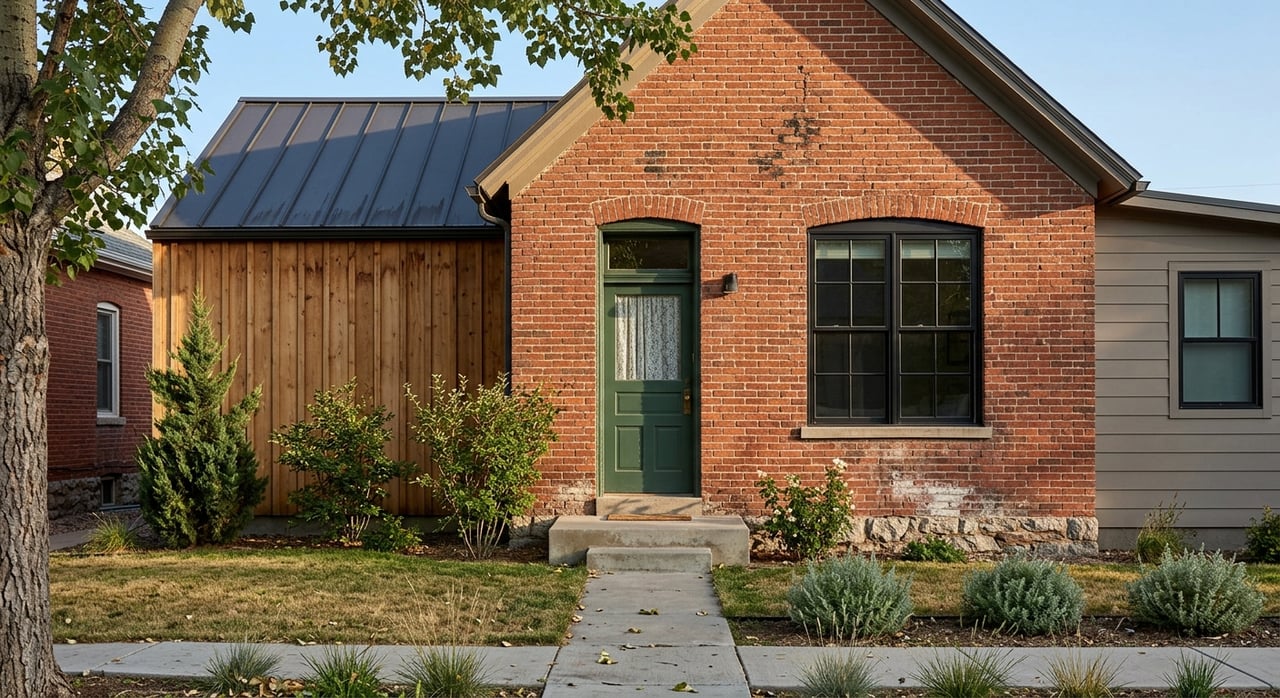
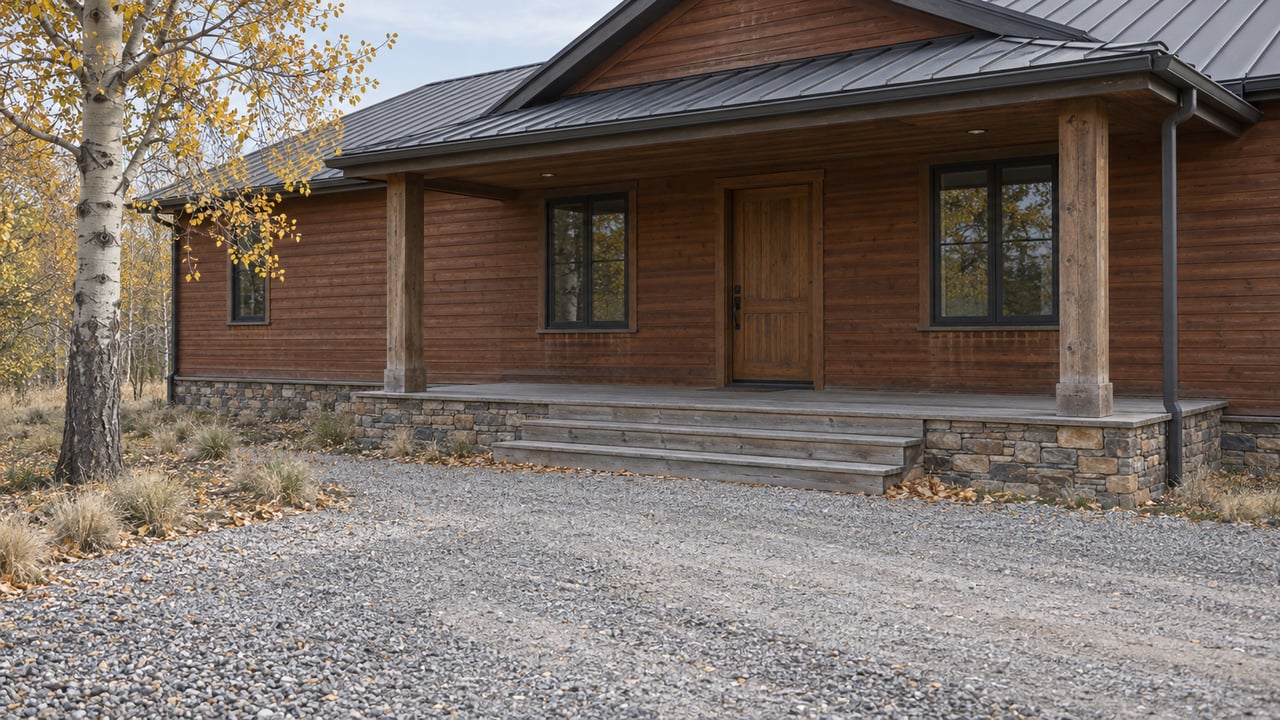
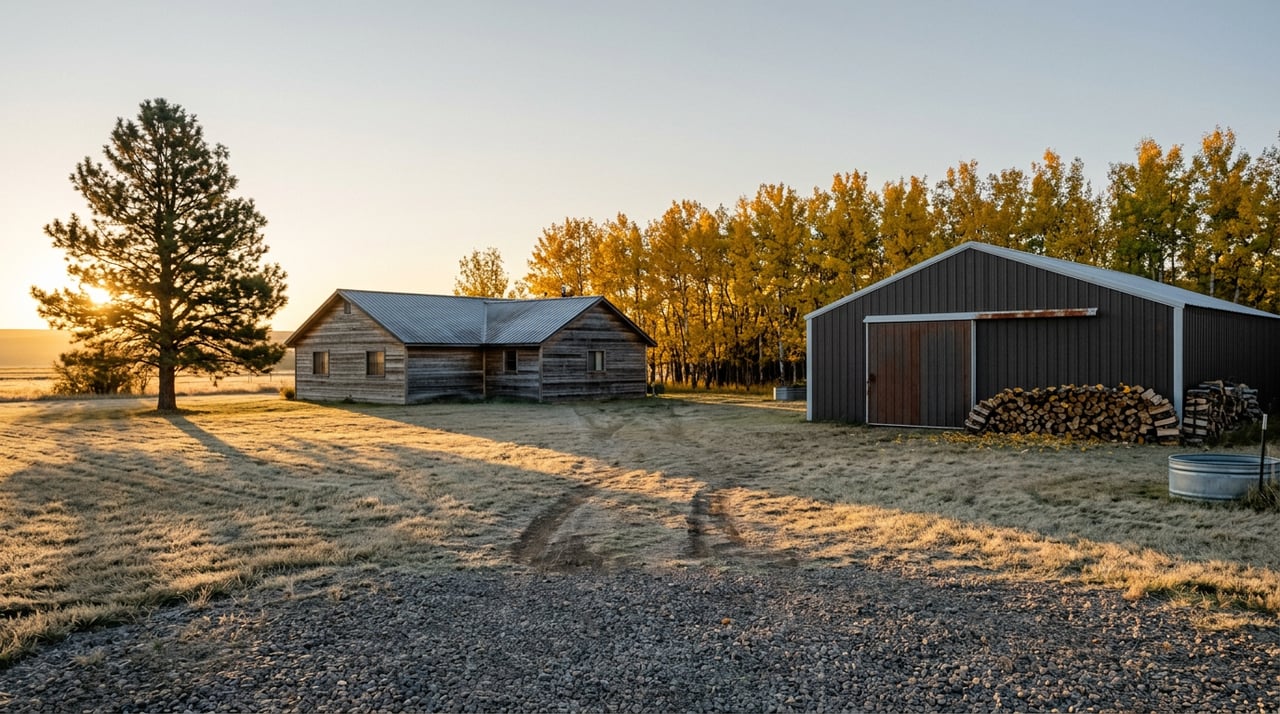
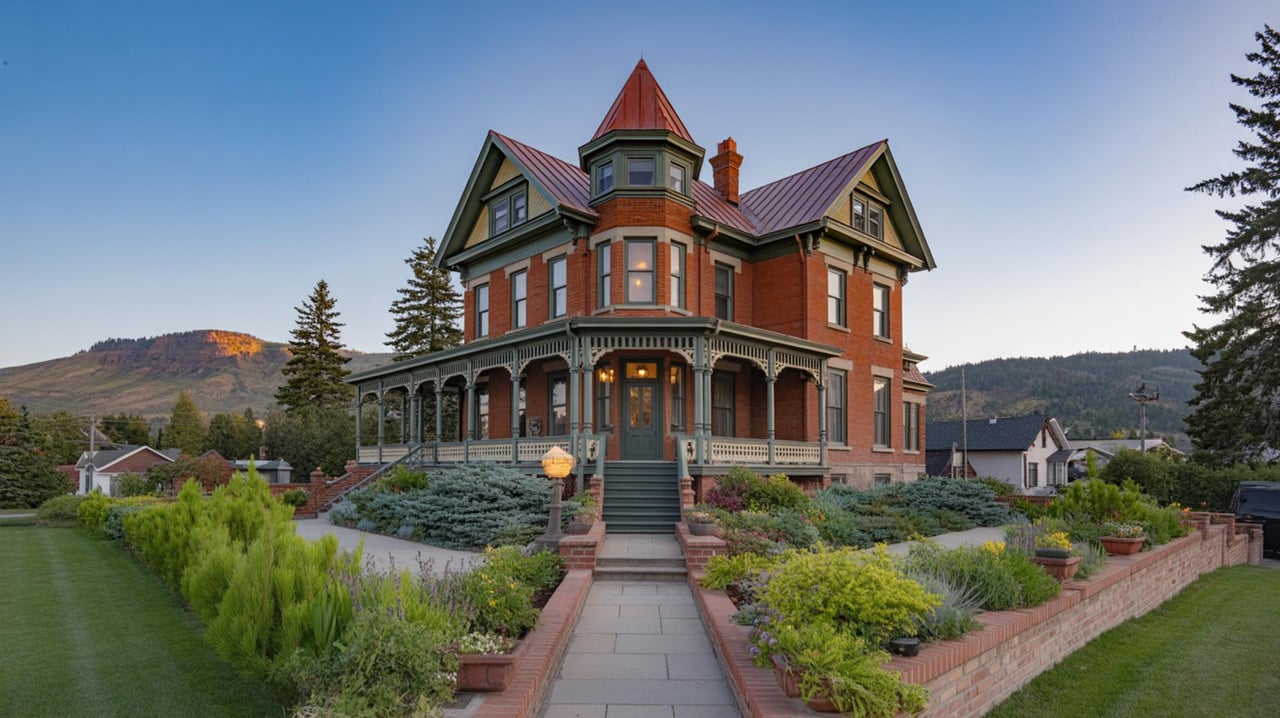
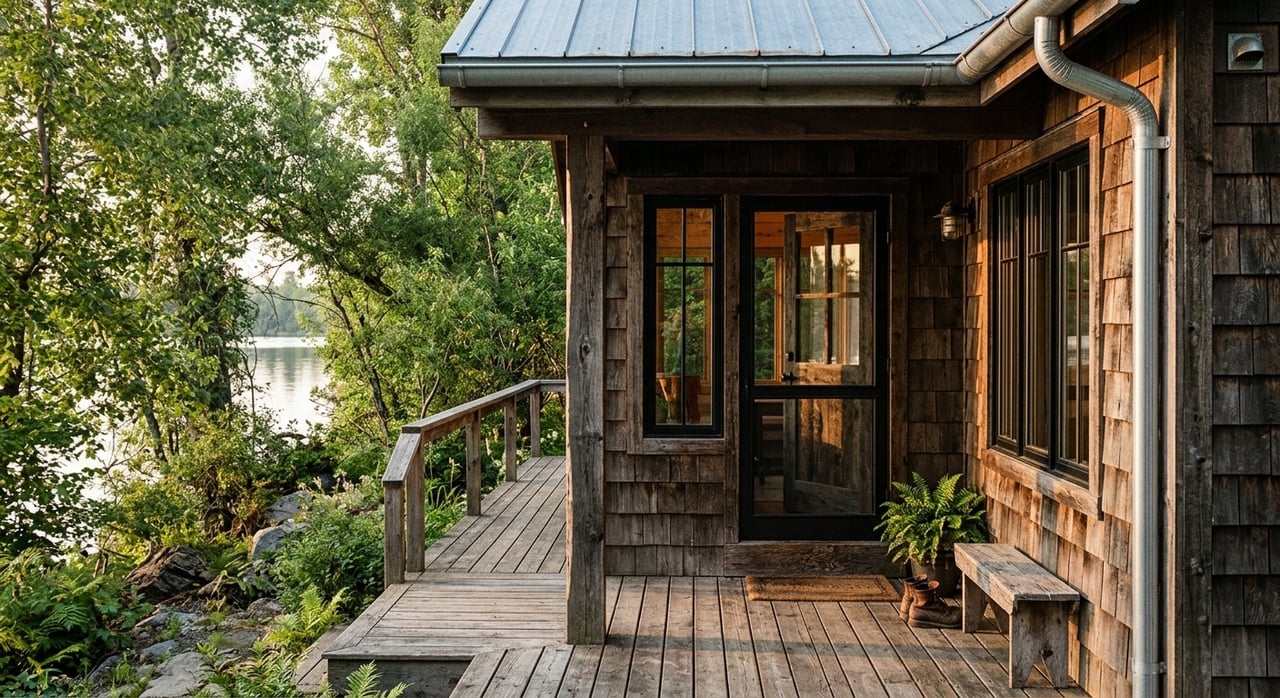
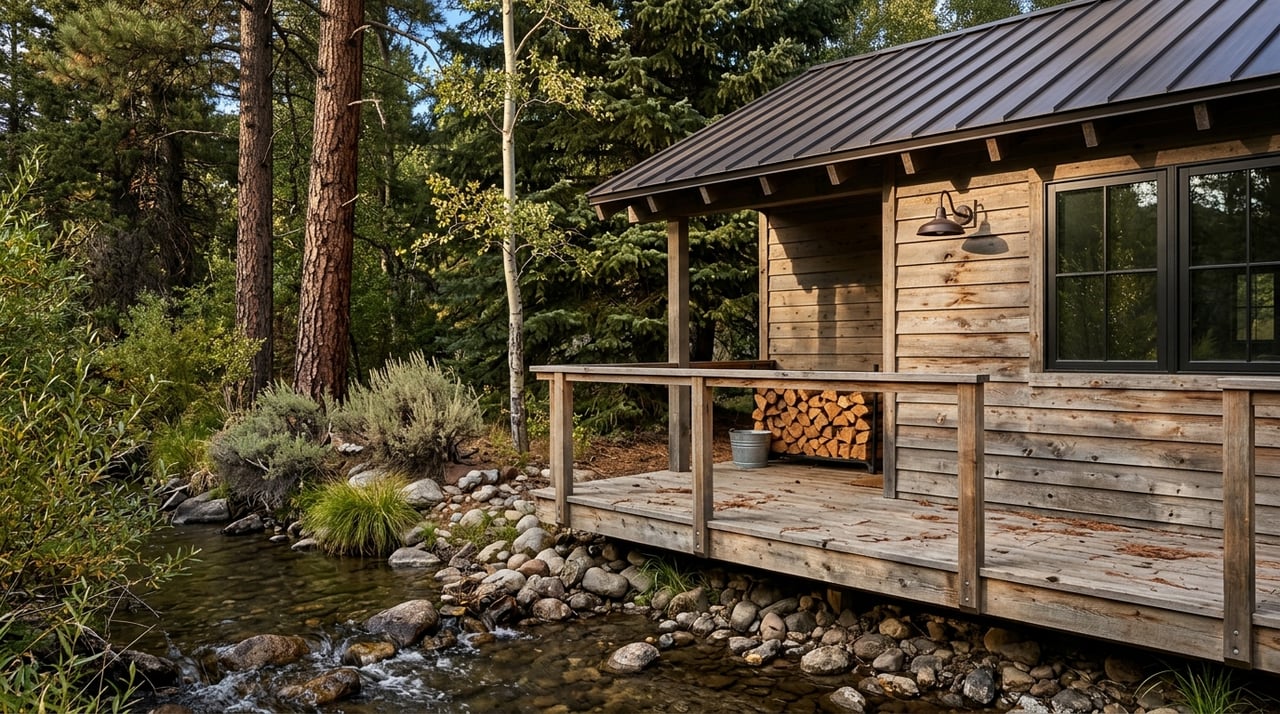
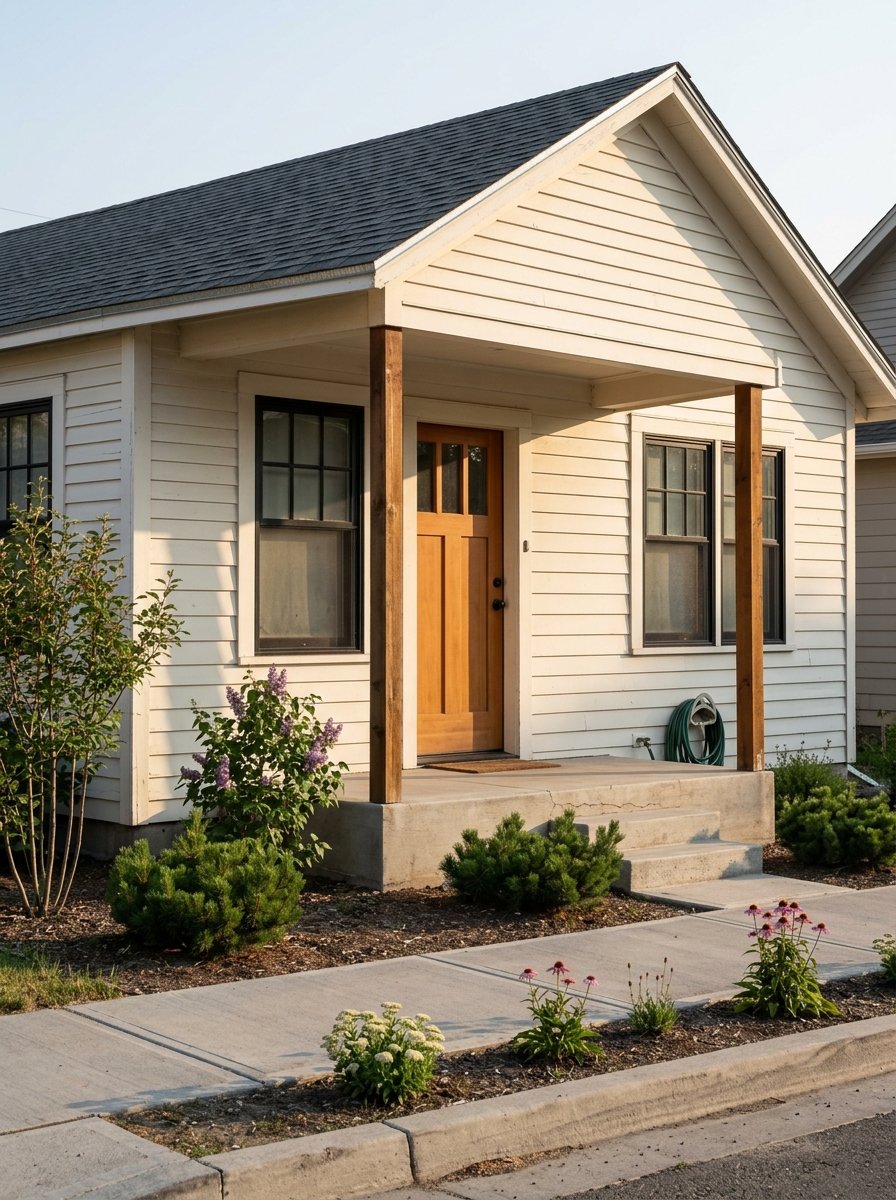
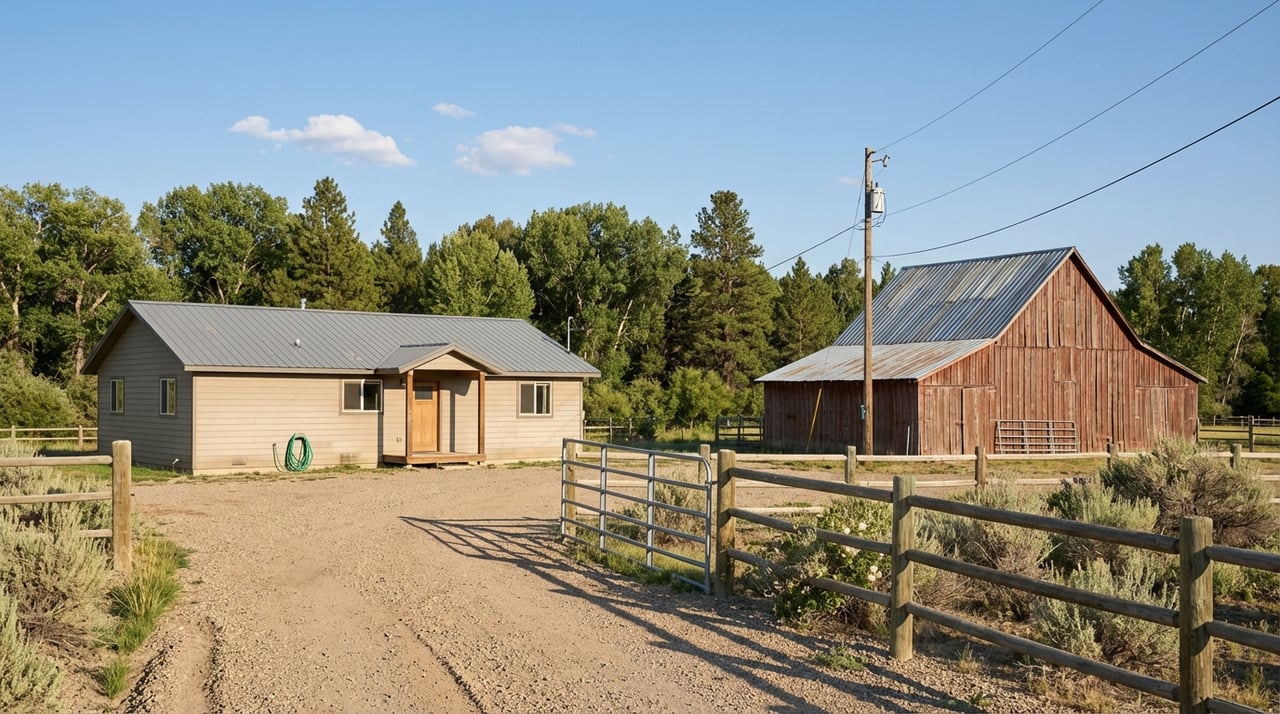
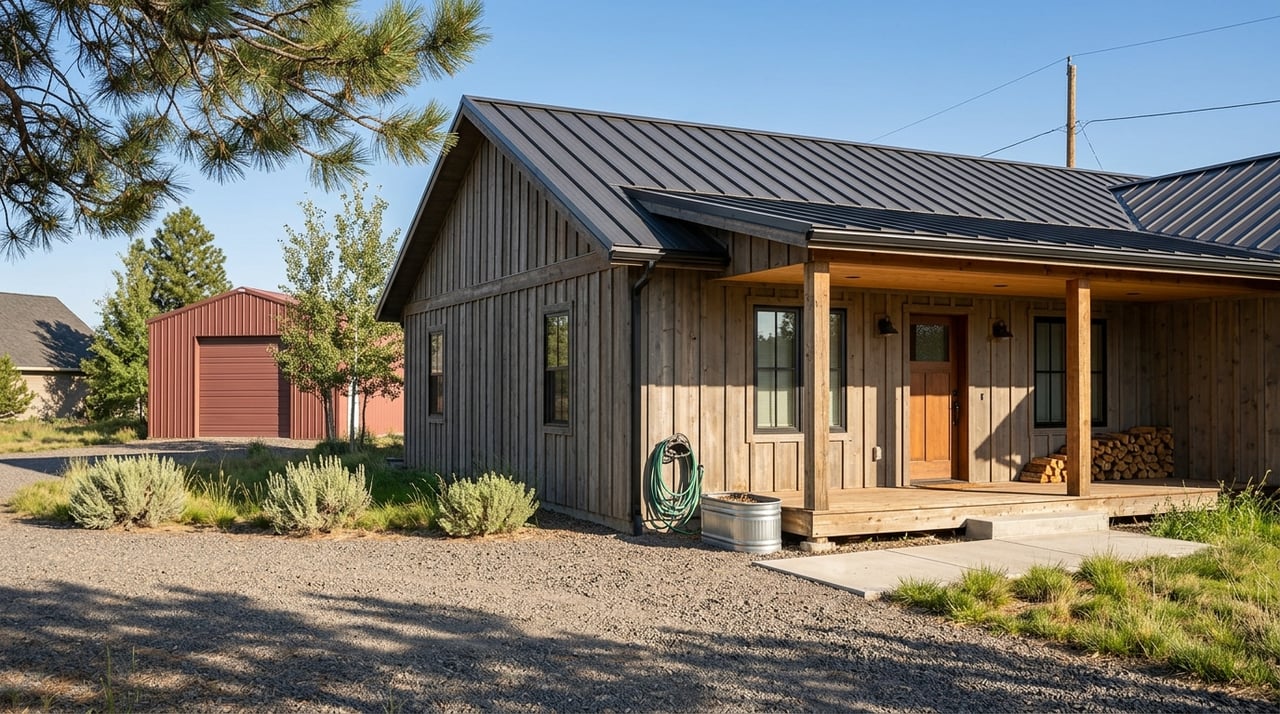
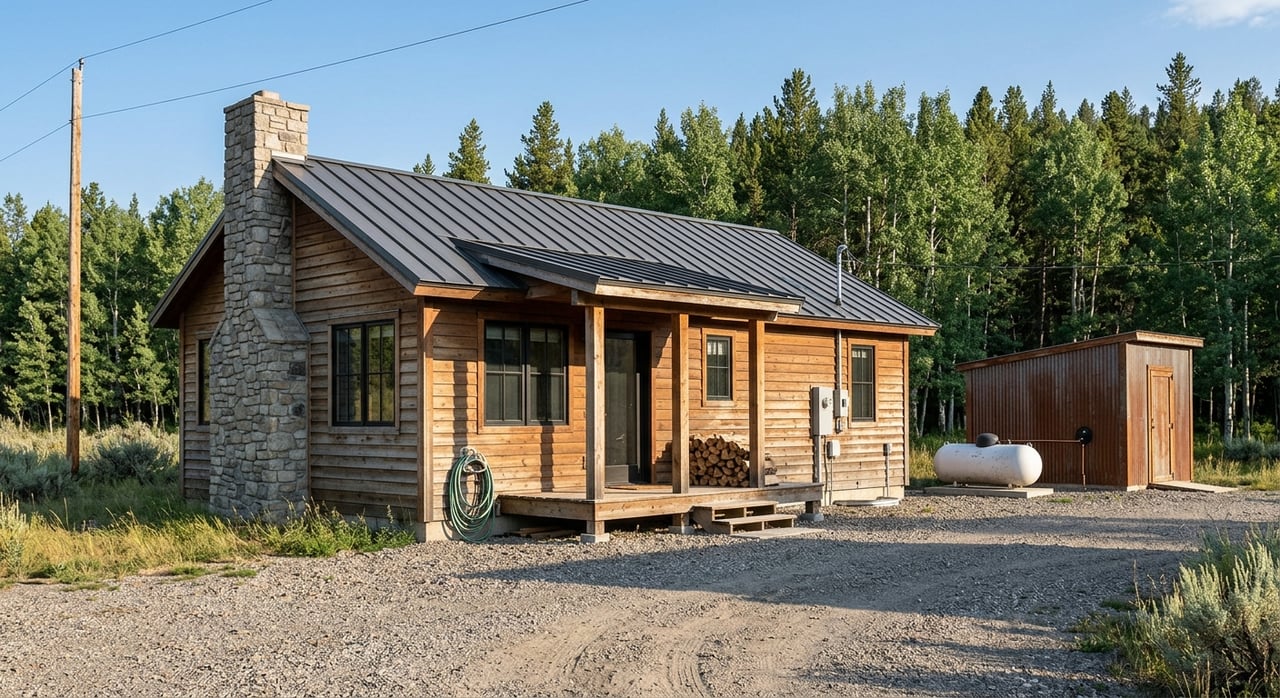
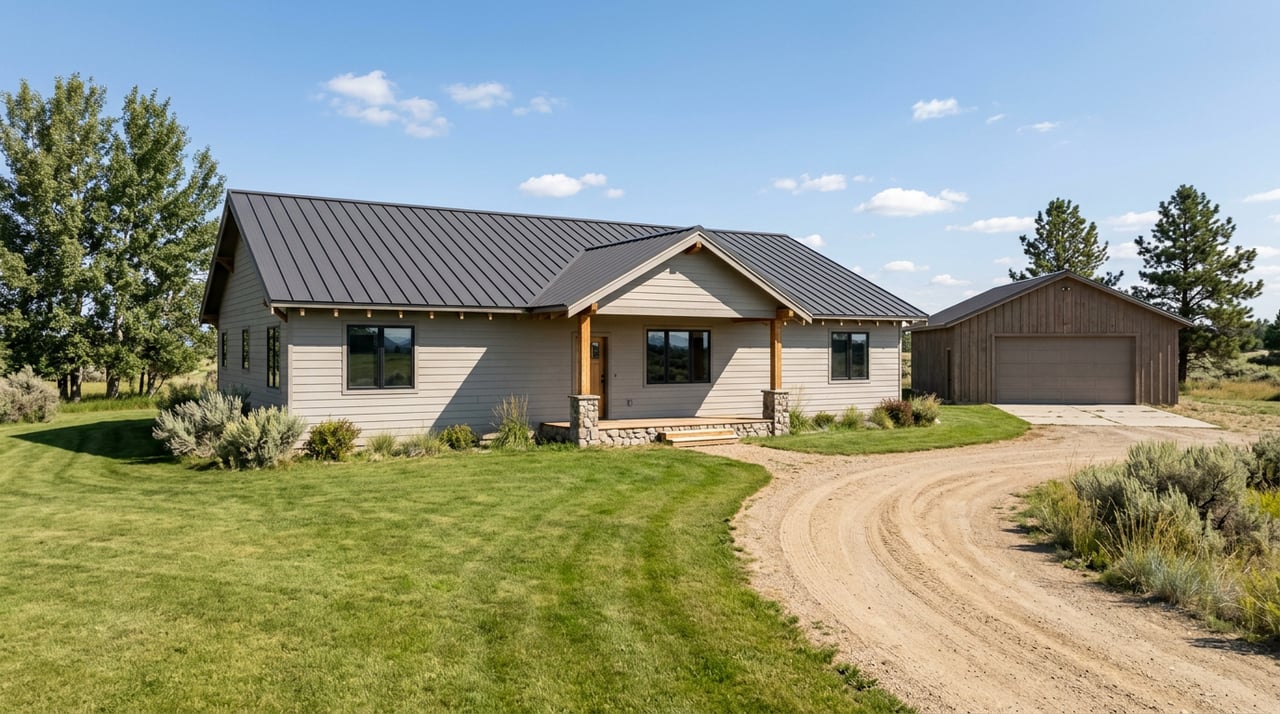
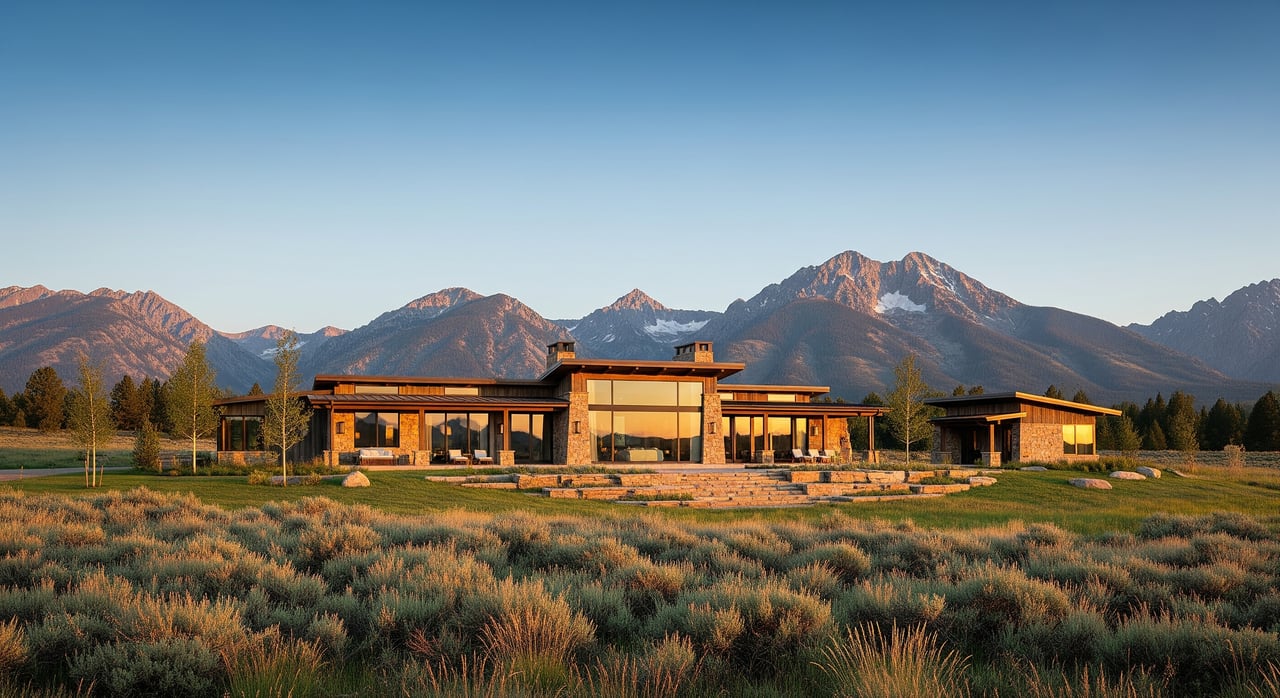
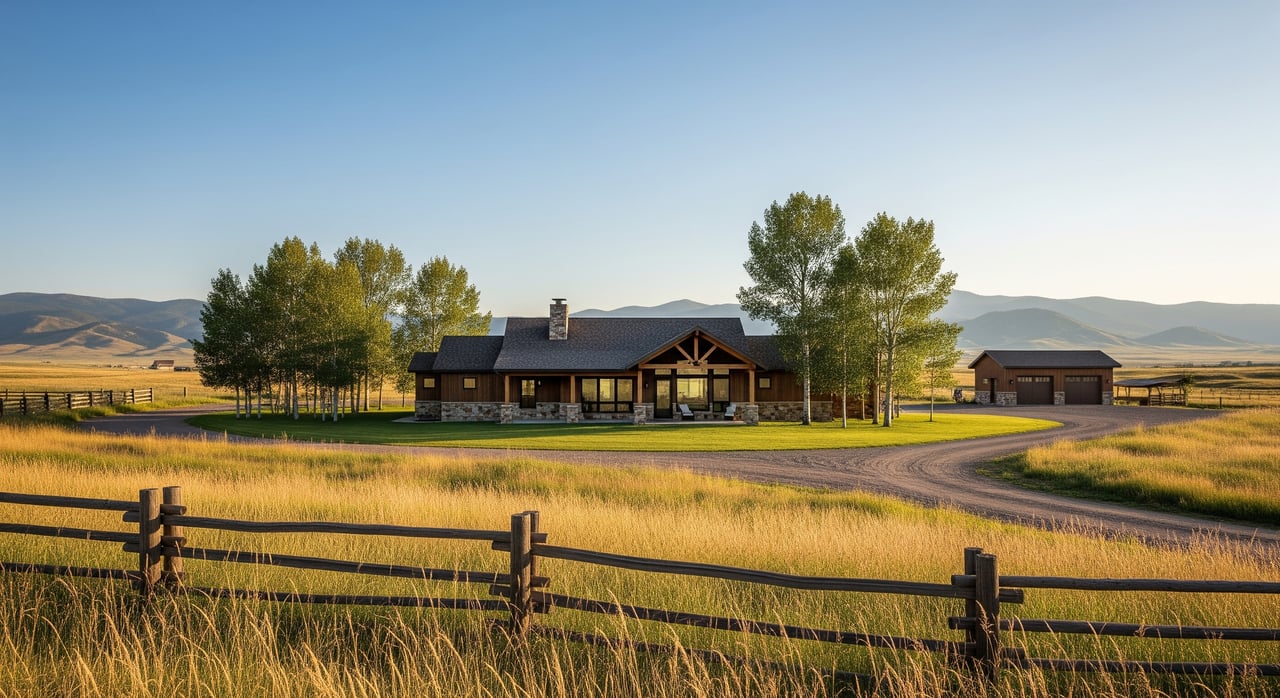
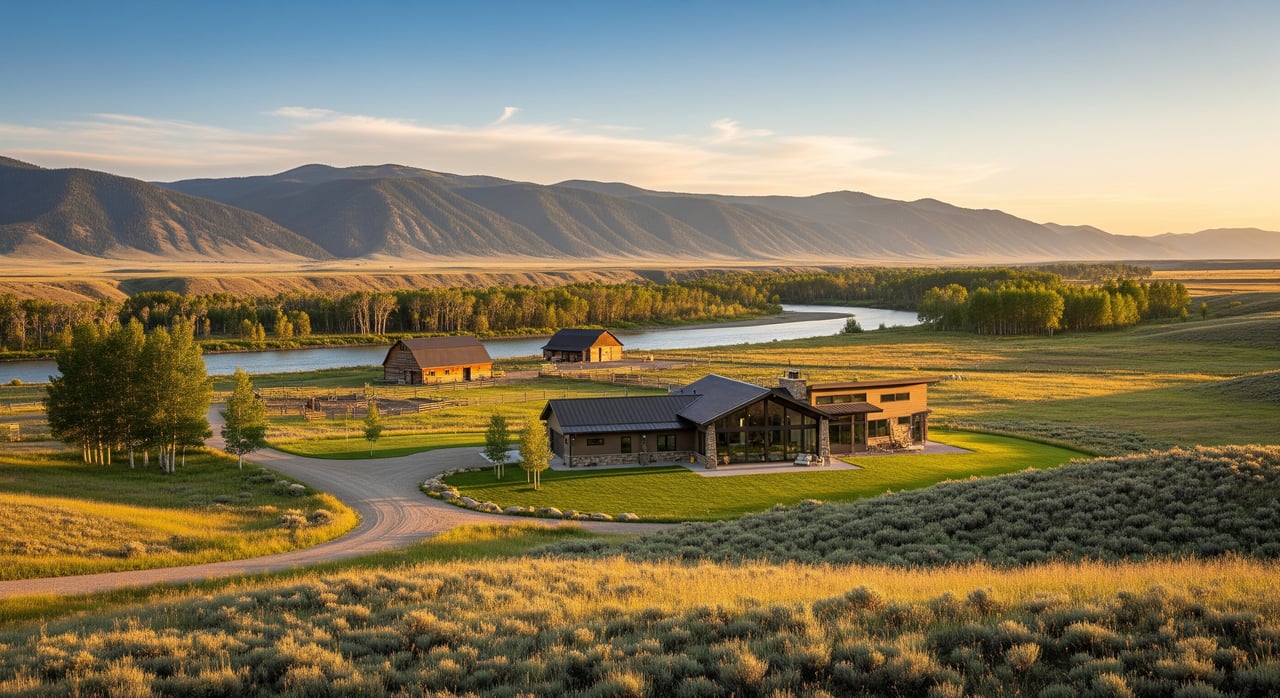
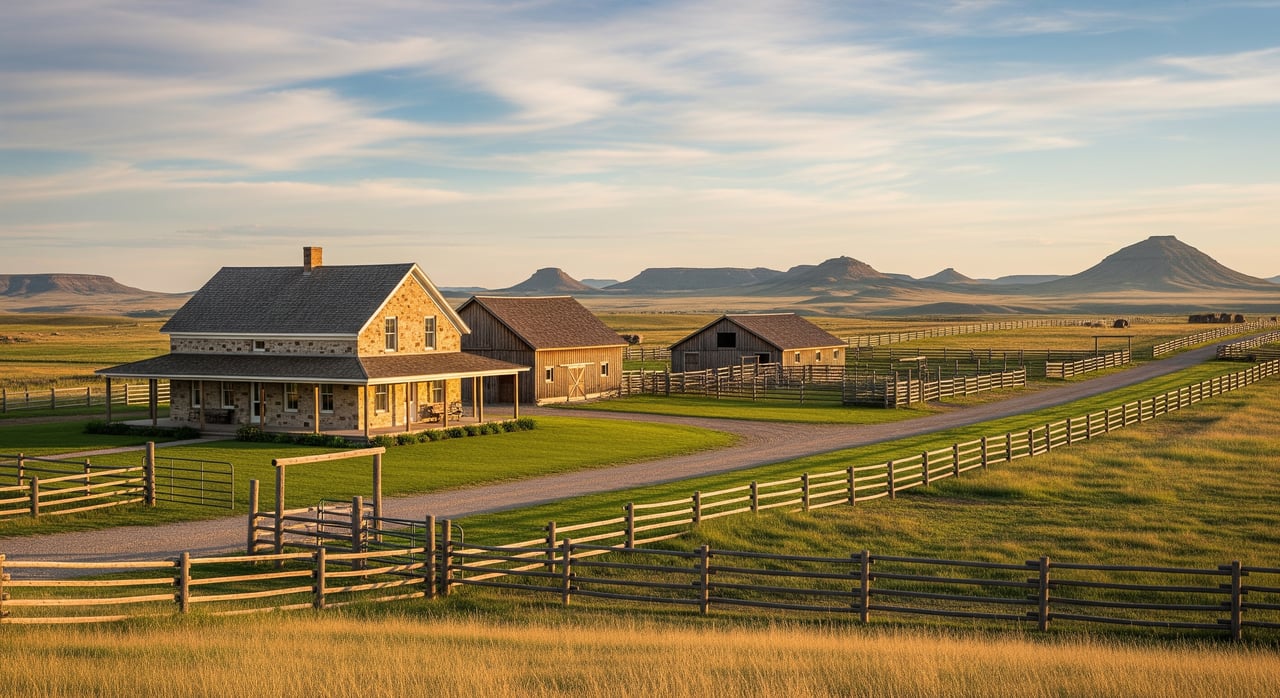
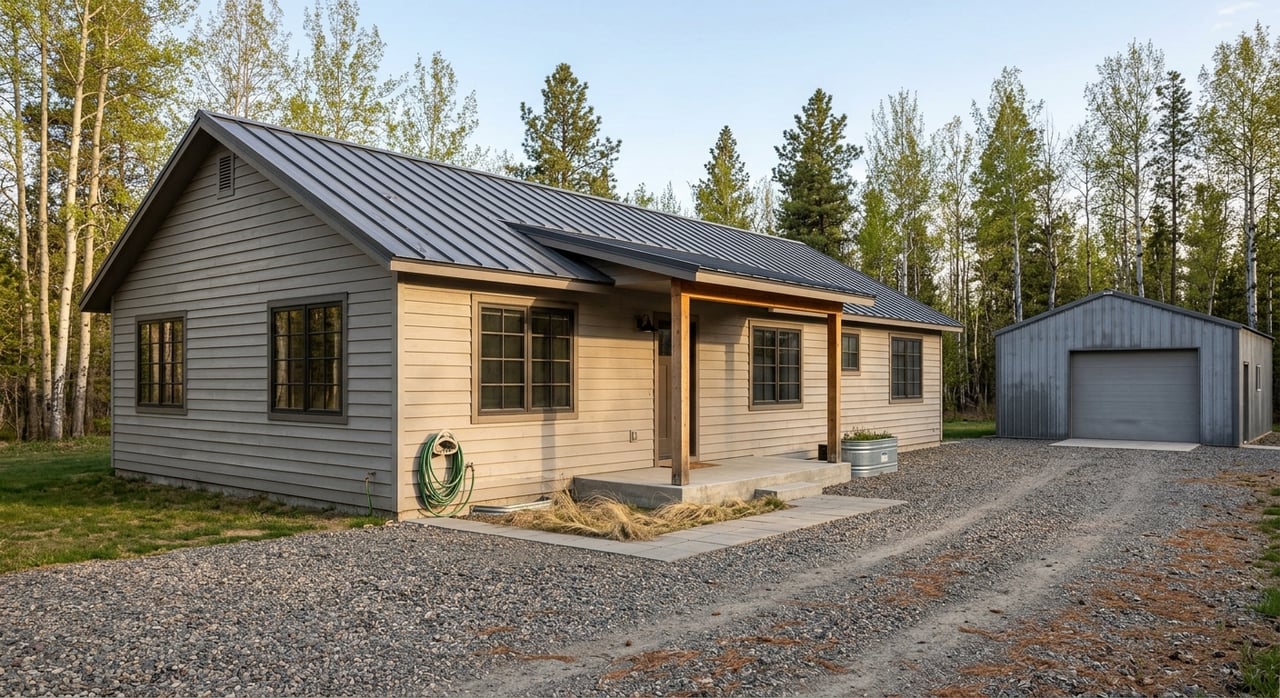
If you are used to city neighborhoods or newer subdivision patterns, Emigrant can feel very different. Public listings highlighted by Visit Yellowstone Country show the kinds of homes commonly associated with the area: cabins, ranch homes, guest houses, and vacation homes on one acre, five acres, 10 acres, 20-plus acres, and 25-acre parcels.
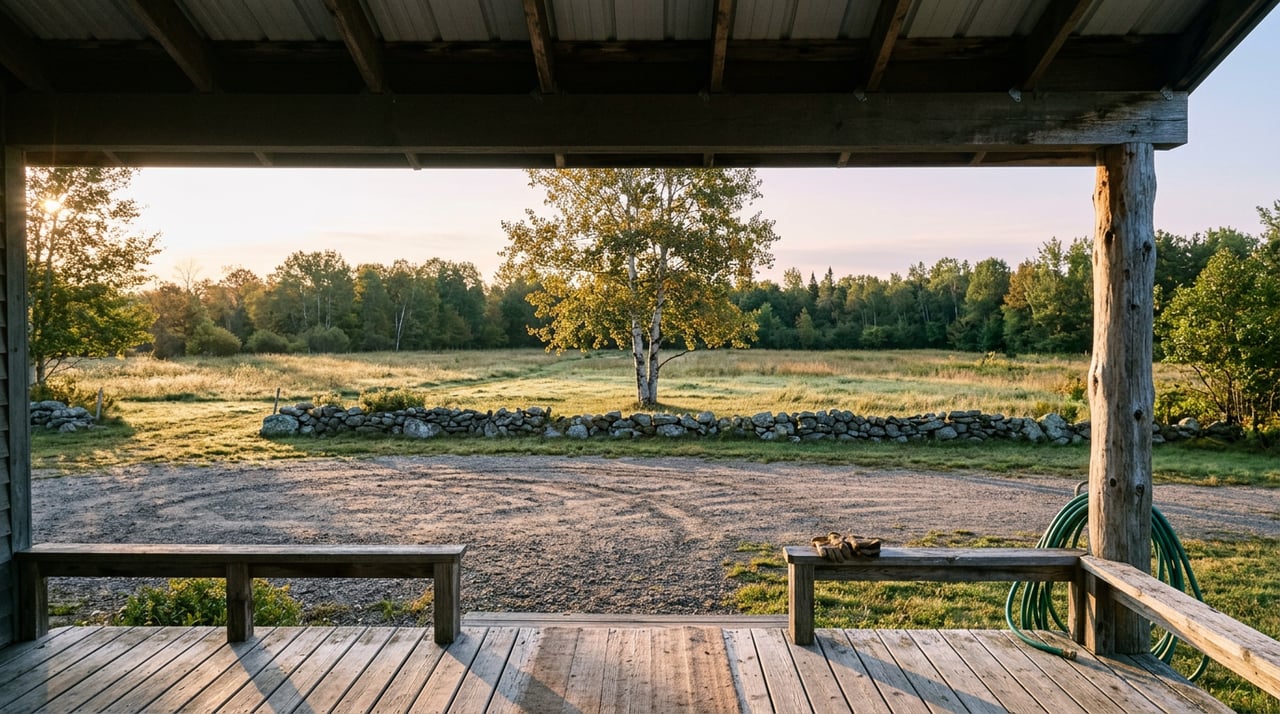
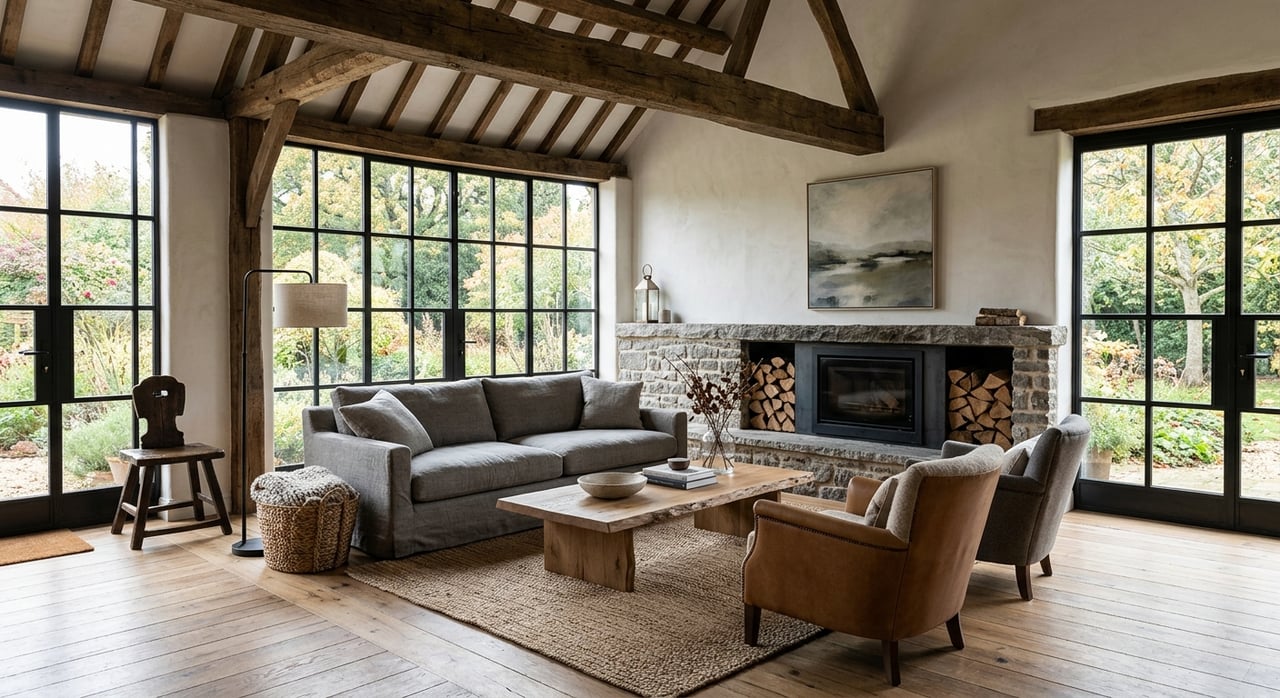
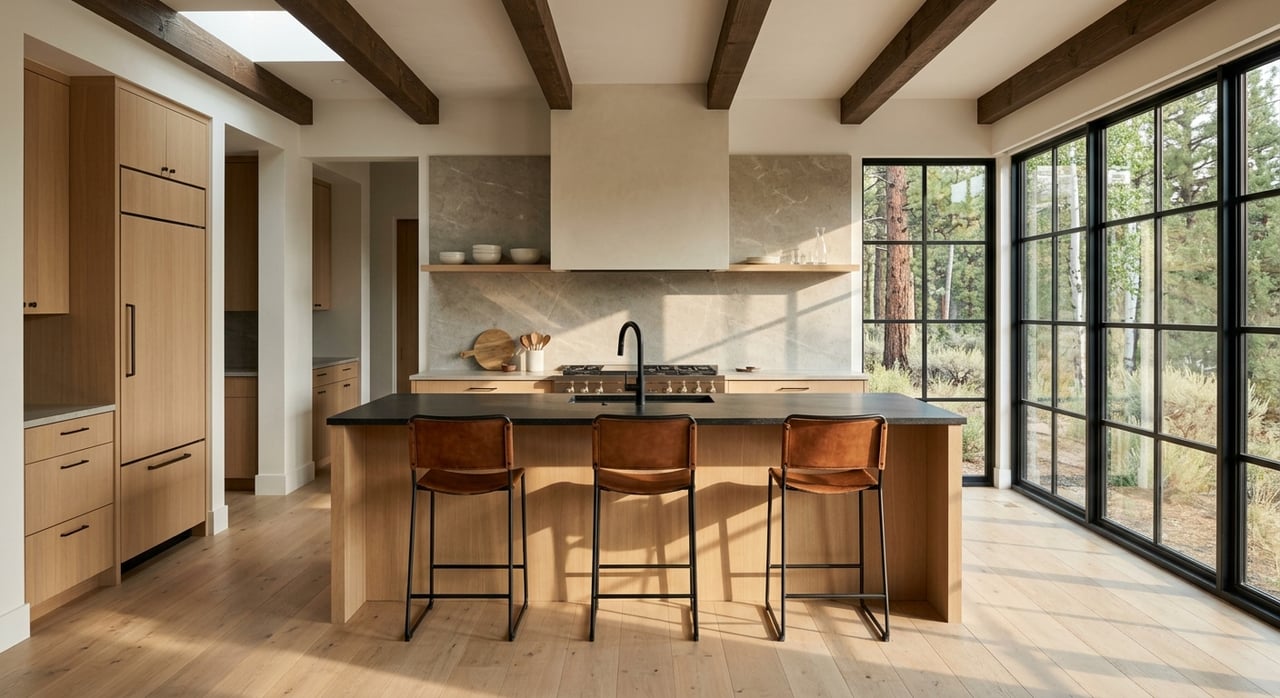
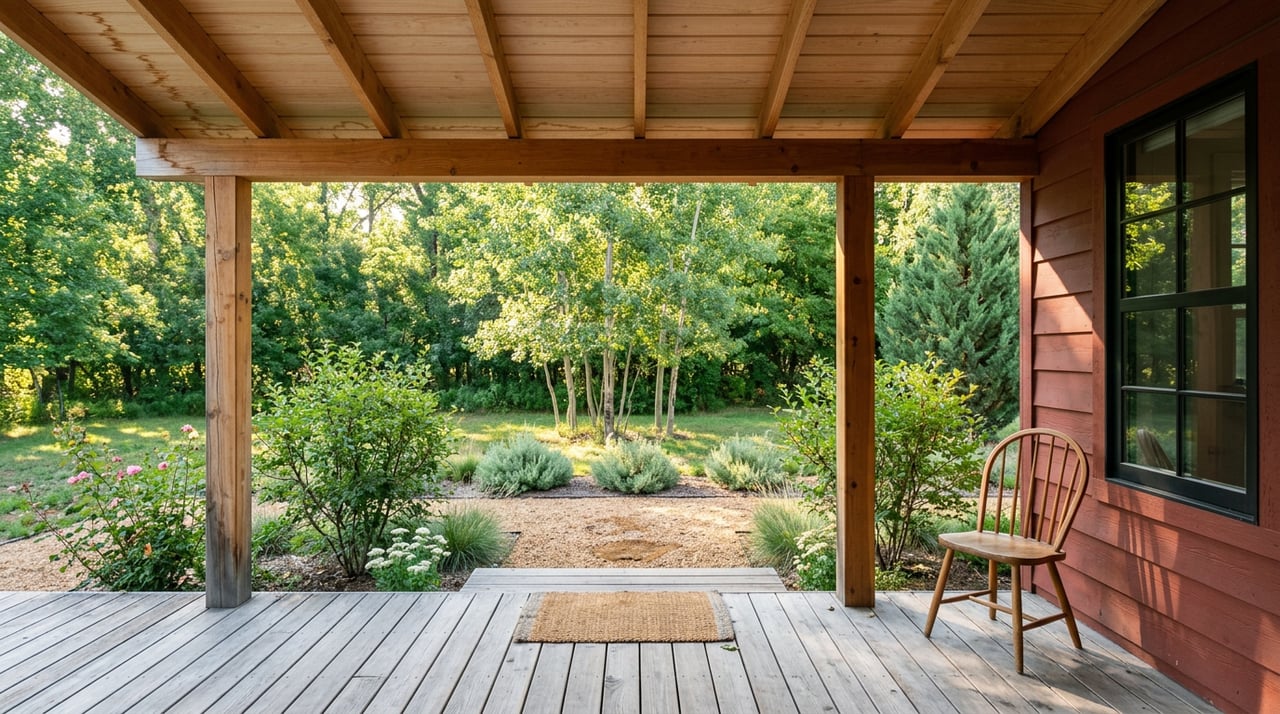
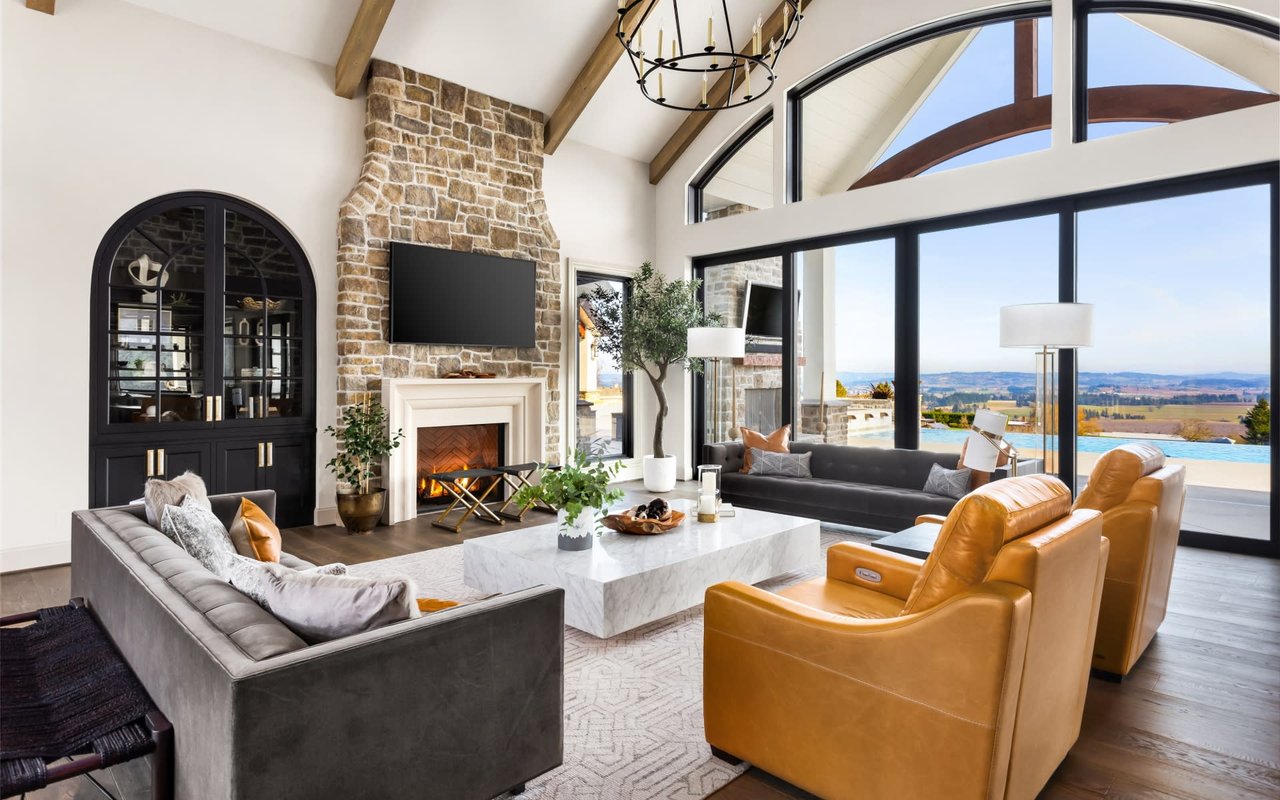
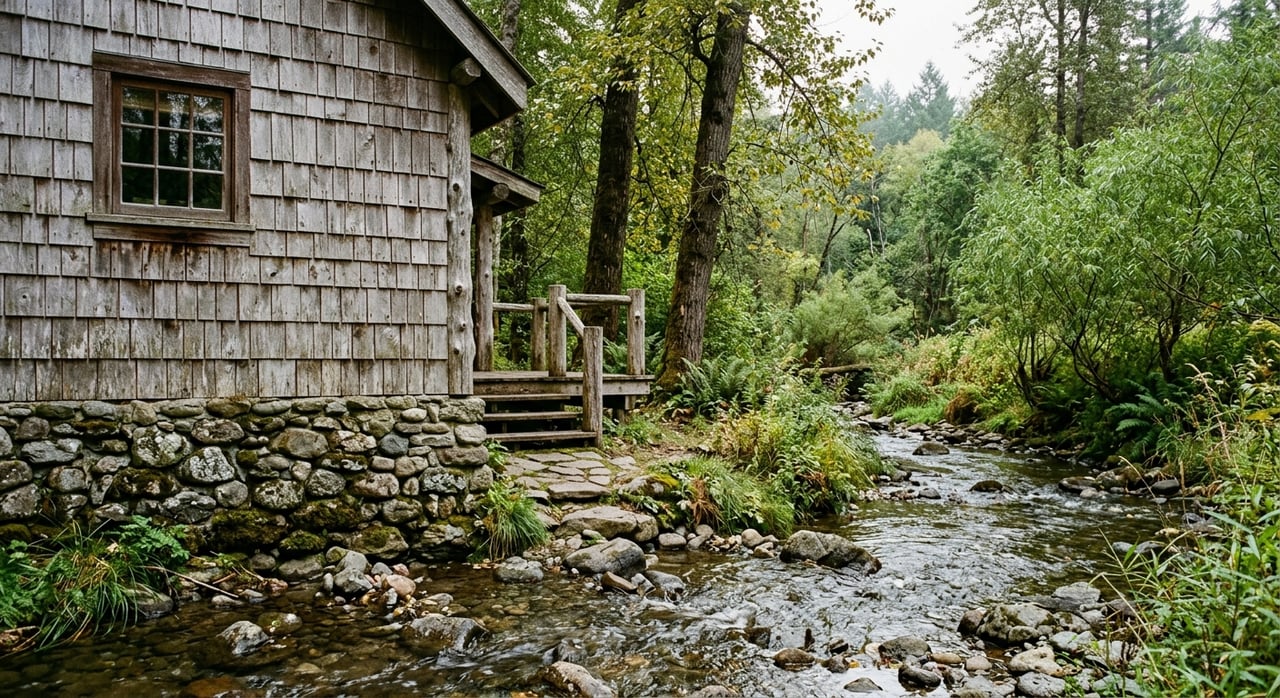
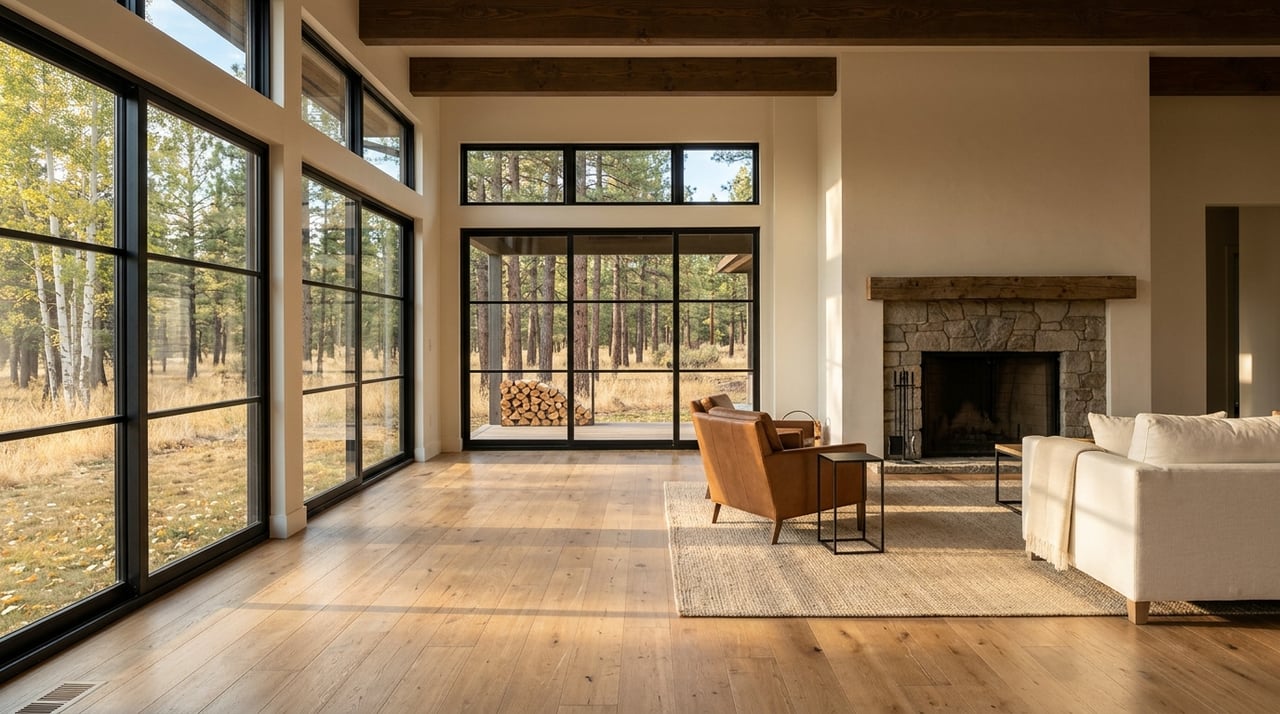
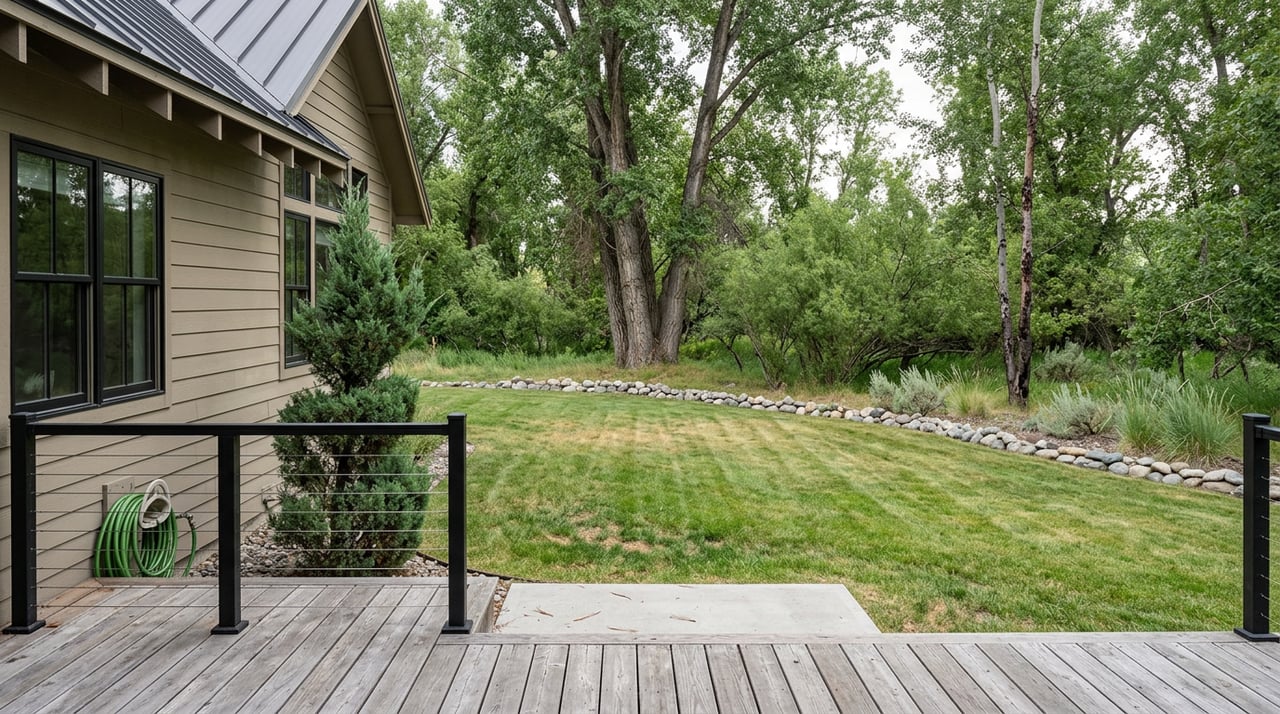
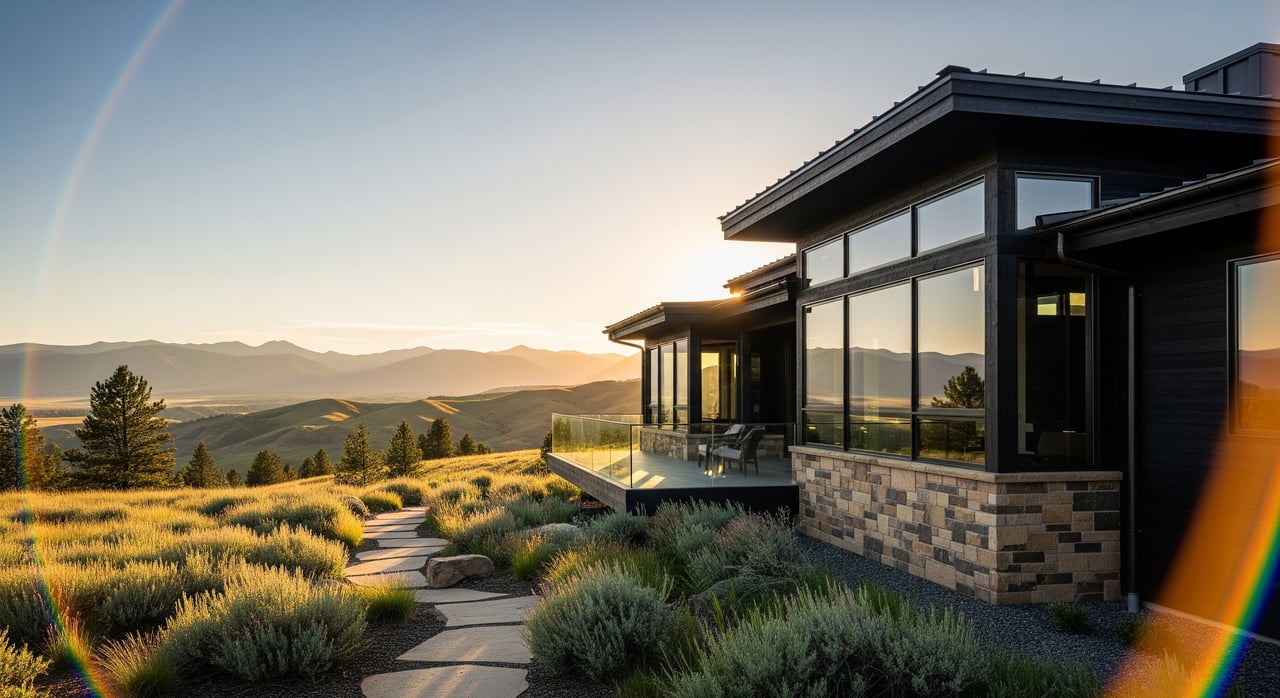
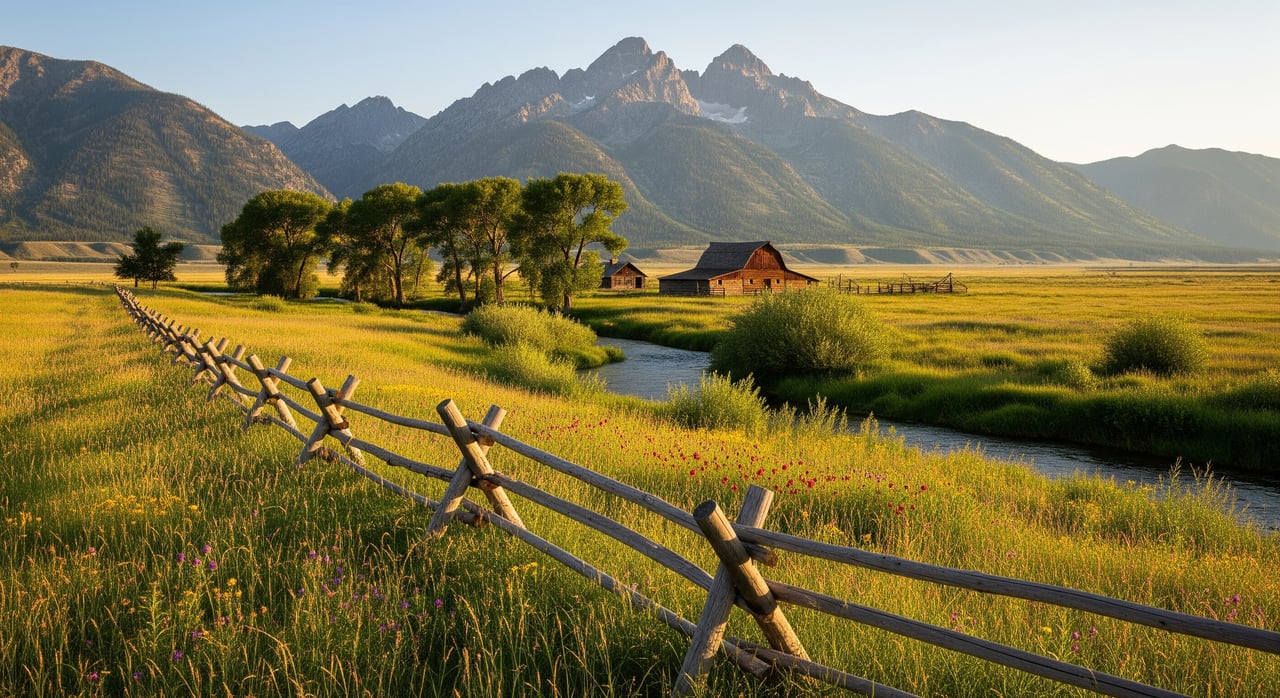
These homes often feature open layouts, wood or log accents, fireplaces, decks, garages, and broad views of Emigrant Peak, the Yellowstone River, or the surrounding mountain ranges. The overall pattern is rural rather than compact. You are more likely to find homes with land, separation, and outdoor living features than tightly grouped houses on small lots.
That housing style creates a different ownership experience. Your home may feel more tied to the land itself, with the setting playing as big a role as the structure.
Rural Infrastructure Is Part of the Deal
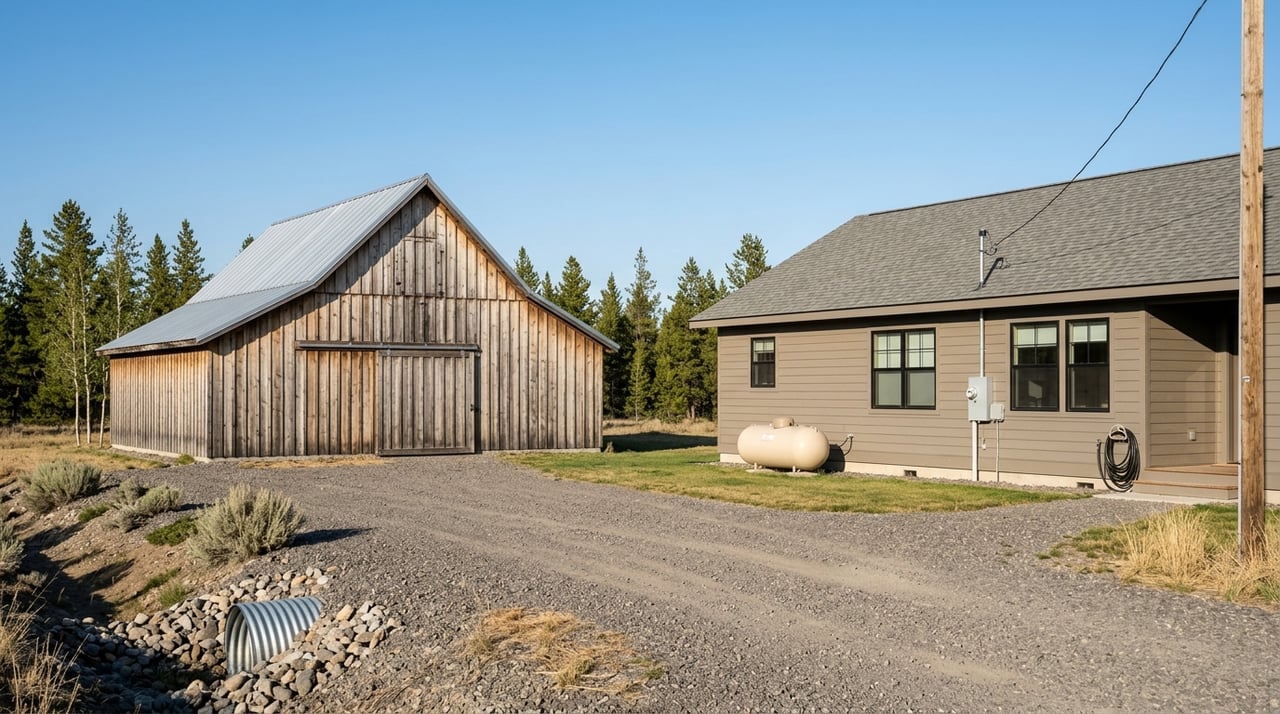
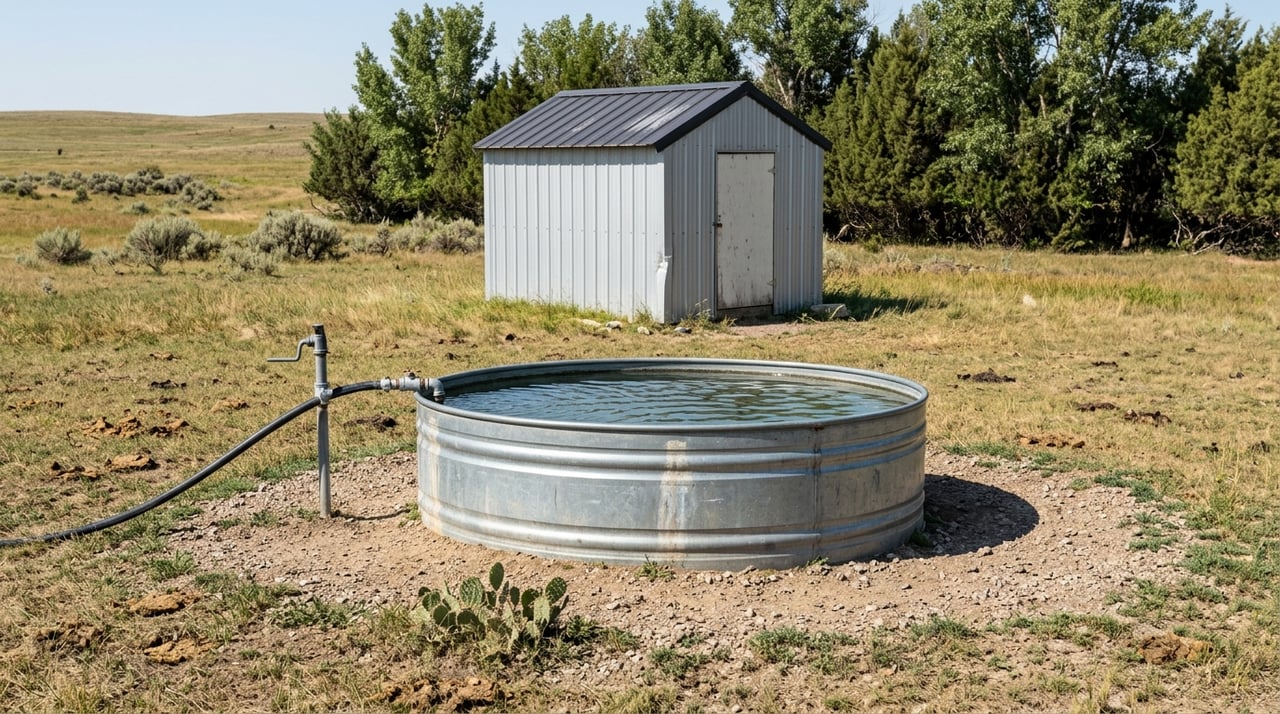
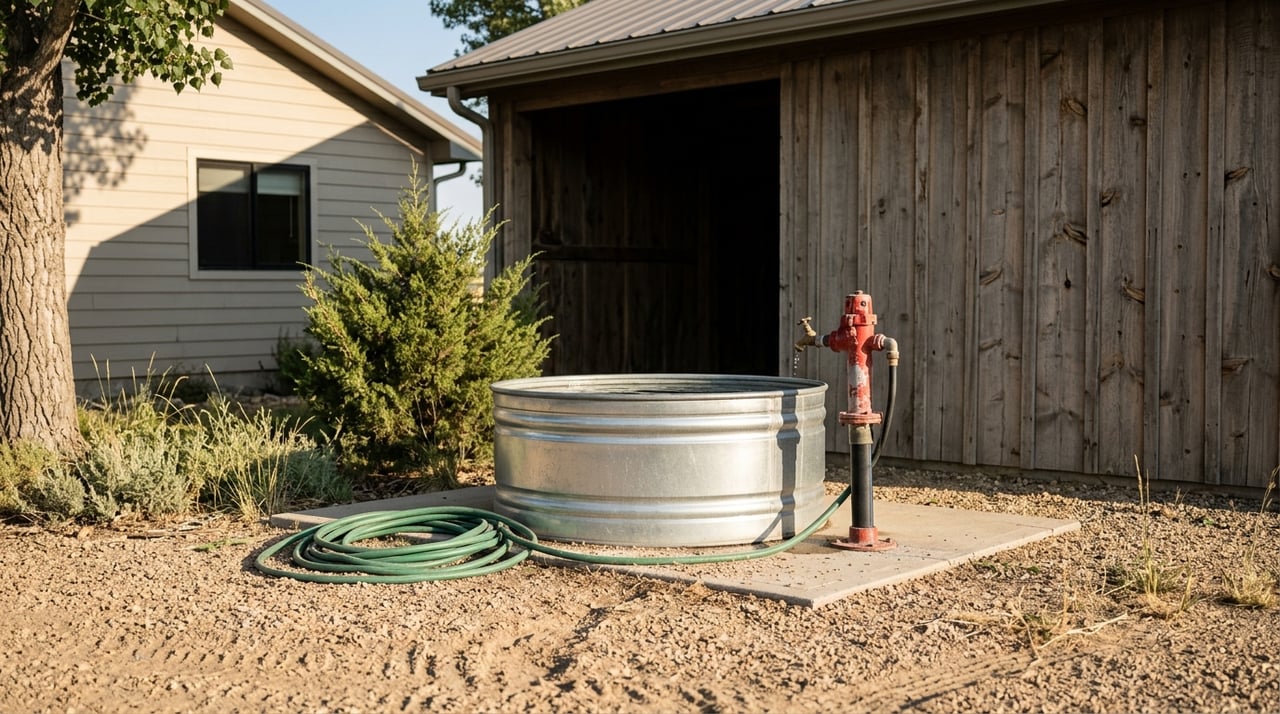
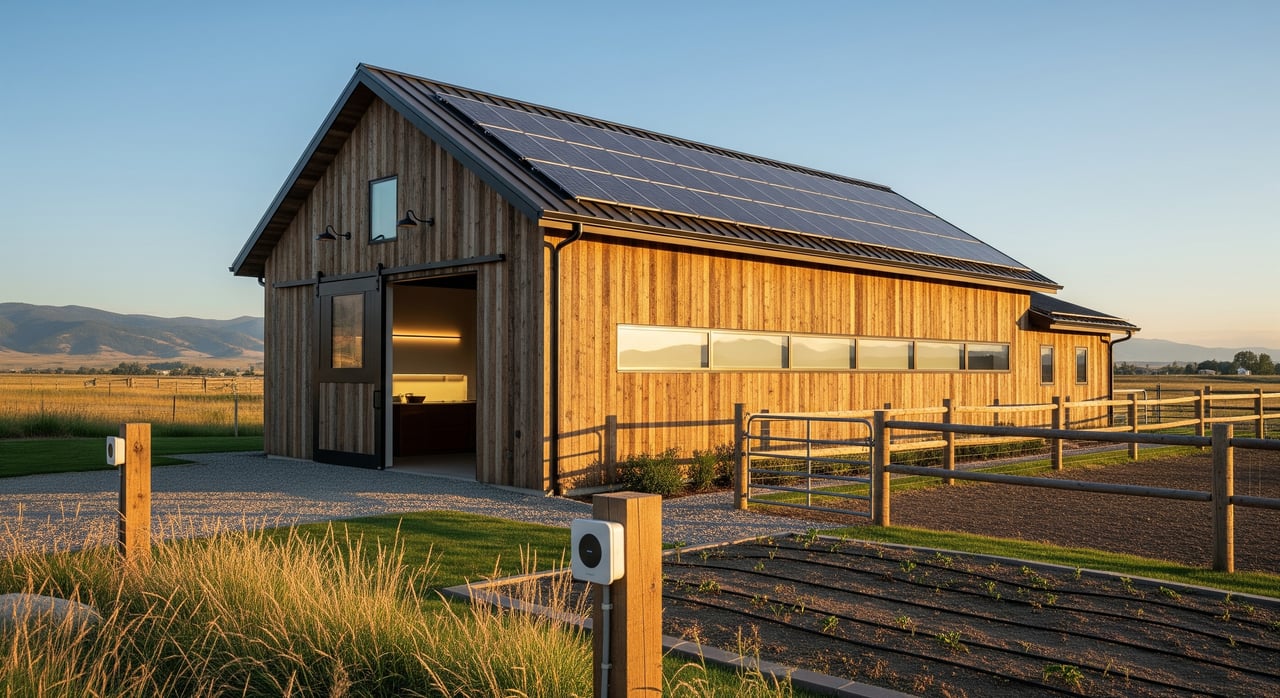
One of the biggest differences in Emigrant is that ownership often comes with rural-property responsibilities. In nearby Paradise Valley planning areas, land-use documents describe larger parcels with individual wells and septic systems, and Park County’s Compliance Office oversees onsite wastewater, subdivision, floodplain, and zoning matters.
For you as a homeowner, that means due diligence matters. You may need to pay close attention to access, water, wastewater systems, and county regulations in a way that would be less common in a more built-out neighborhood.
This is not a drawback for every buyer. Many people actually prefer the independence and space that come with rural ownership. Still, it is important to go in with clear expectations about how a property functions beyond the house itself.
Everyday Amenities Are Limited but Useful
Emigrant is small, but it has a handful of places that support day-to-day life. Visit Yellowstone Country’s Emigrant page points to local spots such as The Old Saloon, the Emigrant People’s Market, Wild Flour Bakery & Cafe, Follow Yer’ Nose BBQ, and Angler’s West.
Another listing from Visit Yellowstone Country notes that within roughly 3 to 4 miles, residents can find a post office, gas station, general store, fly-fishing shop, breakfast and lunch options, and The Old Saloon. Park County also lists Paradise Valley Fire & EMS in Emigrant, which is an important local service anchor.
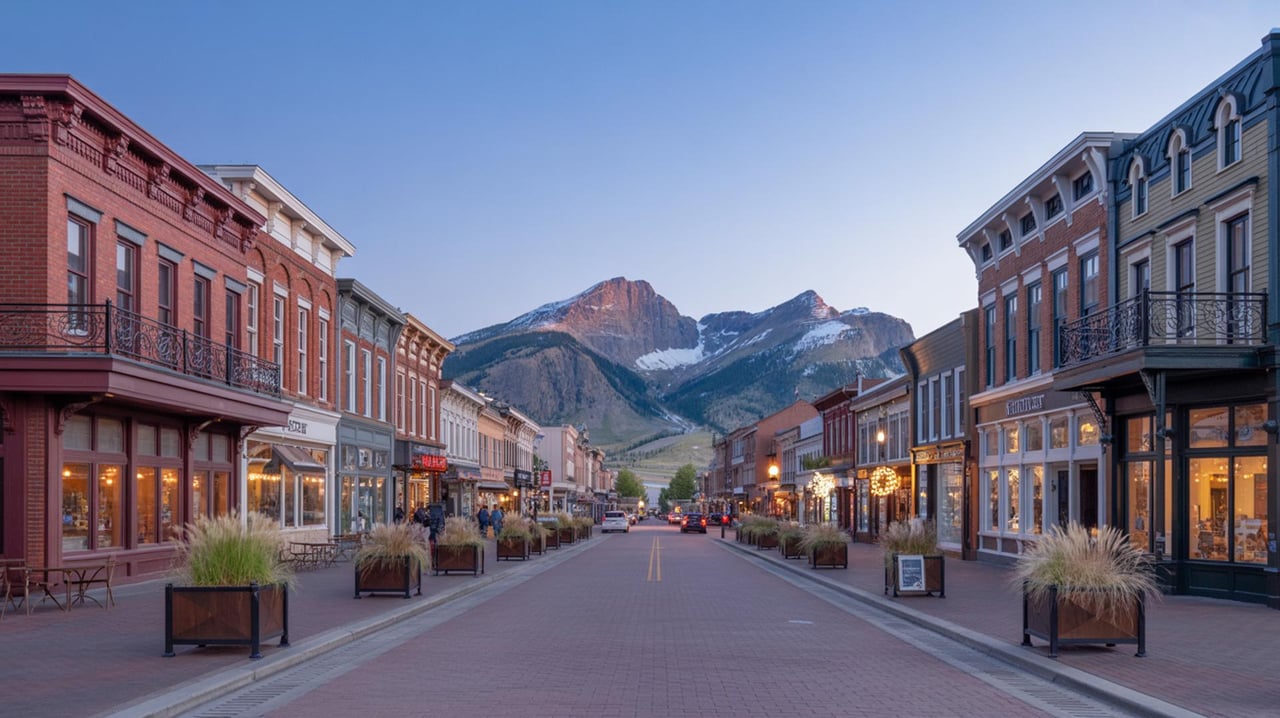
In practical terms, you can cover some basics close to home, but Emigrant is not fully self-contained. For broader shopping, dining, and services, Livingston is commonly the go-to town and is about 30 minutes away.
Livingston Fills in the Gaps
If you own in Emigrant, Livingston often becomes part of your weekly routine. Whether you need a fuller grocery run, more dining options, or a wider range of services, that drive is simply part of life in the valley.
For some buyers, that distance feels like a fair trade for the setting. For others, it is one of the main questions to think through before buying. The key is being honest about how often you want quick access to town and how much you value privacy, views, and open space in return.
Outdoor Access Shapes the Lifestyle
For many homeowners, the biggest reason to live in Emigrant is what surrounds it. According to Visit Yellowstone Country, the area offers access to Yellowstone River fishing and rafting, hiking, wildlife viewing, horseback riding, hot springs, cross-country skiing, and day trips into Yellowstone National Park, Gallatin National Forest, and the Absaroka-Beartooth Wilderness.
This is not just weekend recreation. In Emigrant, outdoor access tends to become part of your regular rhythm. A short drive can put you on the river, on a trail, or on the way to a day inside Yellowstone.
That kind of access gives homeownership here a strong lifestyle component. You are not simply buying a house. You are buying proximity to a landscape that people travel from all over to experience.
Yellowstone Access Is a Major Advantage
Emigrant also benefits from its location on the route to Yellowstone’s North Entrance near Gardiner. Visit Yellowstone Country notes that this is the park’s only entrance open year-round.
That matters if you want four-season access to one of the region’s defining attractions. Summer brings the obvious draw, but winter access adds another layer of flexibility for homeowners who use the area full-time or seasonally.
For second-home buyers especially, this year-round connection can be a meaningful part of Emigrant’s long-term appeal.
Wildlife Awareness Comes With the Setting
One of the realities of owning in Paradise Valley is that wildlife is part of everyday life. Park County’s wildlife brochure describes the valley as habitat for elk, grizzlies, wolves, moose, bighorn sheep, lynx, and wolverines, with especially strong elk winter range in the south end of the valley.
That adds to the beauty and character of the area, but it also calls for awareness. Homeownership here is tied to a real natural environment, not a curated resort setting. You may see wildlife as part of normal life, and that is something to respect and prepare for.
For many people, this is part of what makes Emigrant feel distinct and memorable. The landscape around you feels active, seasonal, and alive.
Chico Hot Springs Influences the Valley Rhythm
While Chico Hot Springs is in nearby Pray rather than Emigrant proper, it plays a major role in the broader Paradise Valley experience. According to the official Chico Hot Springs website, the resort sits on about 700 acres, has operated since 1900, and offers natural geothermal pools, lodging, and dining.
For homeowners, Chico is one of those nearby landmarks that helps define the area’s social and recreational rhythm. It gives the valley an added layer of destination appeal without changing Emigrant’s smaller, more residential feel.
That balance is part of the charm. You can enjoy access to well-known regional amenities while still living in a quieter community setting.
Full-Time Living and Second Homes Both Fit Here
One common question is whether Emigrant feels like a seasonal destination or a true year-round community. The answer is both. Park Local points to a resident base, ranching roots, and commuting patterns, while tourism sources highlight the area’s visitor economy and recreation draw.
That blend creates flexibility in the market. Some homeowners want a primary residence with room, views, and access to the outdoors. Others are drawn to Emigrant as a second home or lifestyle property base.
Either way, ownership here tends to appeal to people who value place, privacy, and the practical benefits of a rural Montana setting.
What Ownership in Emigrant Feels Like
In day-to-day terms, owning a home in Emigrant often means quieter nights, darker skies, and a stronger connection to the landscape around you. It also means thinking more intentionally about your property itself, from systems and access to distance from town and seasonal conditions.
For the right buyer, those are not compromises. They are the point. Emigrant offers a version of homeownership that feels grounded in land, views, and outdoor living rather than convenience and density.
If you are considering buying or selling in Paradise Valley, working with someone who understands rural and lifestyle properties can make a real difference. Dayle Stahl brings a hands-on, owner-led approach to Montana real estate and can help you evaluate what makes an Emigrant property work in the real world.
FAQs
What does living in Emigrant, Montana feel like day to day?
- Living in Emigrant usually feels quiet, rural, and scenic, with a small community base, a few local businesses, and regular trips to Livingston for broader errands and services.
What types of homes are common in Emigrant, Montana?
- Homes in Emigrant are commonly cabins, ranch-style homes, guest houses, and other properties on acreage, often with decks, fireplaces, garages, and broad mountain or river views.
What should buyers know about owning rural property in Emigrant?
- Buyers should know that rural ownership in Emigrant may involve wells, septic systems, access considerations, and county rules related to wastewater, floodplain, subdivision, and zoning.
What amenities are available near homes in Emigrant, Montana?
- Emigrant has a small but useful amenity base that includes dining, a market, a gas station, a post office, and local gathering spots, while Livingston provides more extensive shopping and services about 30 minutes away.
What recreation is close to Emigrant, Montana homes?
- Recreation near Emigrant includes fishing and rafting on the Yellowstone River, hiking, wildlife viewing, horseback riding, hot springs, cross-country skiing, and day trips to Yellowstone National Park.
Is Emigrant, Montana better for full-time living or a second home?
- Emigrant can work well for either, since it supports a year-round resident community while also appealing to second-home buyers who want outdoor access, privacy, and a strong sense of place.