Are you drawn to a home with original woodwork, stained glass, and a front porch full of history, or would you rather have newer systems and fewer near-term surprises? In Butte, that choice carries more weight than it does in many other Montana markets. If you are weighing a historic home against a newer build, understanding Butte’s preservation rules, housing stock, and inspection priorities can help you buy with more confidence. Let’s dive in.
Why this choice is different in Butte
In Butte, the historic-versus-newer-home decision is not just about style or age. Butte-Silver Bow is part of one of the largest National Historic Districts in the country, and the Butte-Anaconda Historic District is recognized as a National Historic Landmark District.
That matters because some older homes are tied to local preservation oversight. In certain cases, exterior changes, demolition, and rehabilitation work may require review through a Certificate of Appropriateness process before work begins.
For you as a buyer, that means a historic home may come with both charm and added process. A newer home, by comparison, is usually easier to evaluate through current permits, adopted codes, and more standardized construction expectations.
What makes historic Butte homes appealing
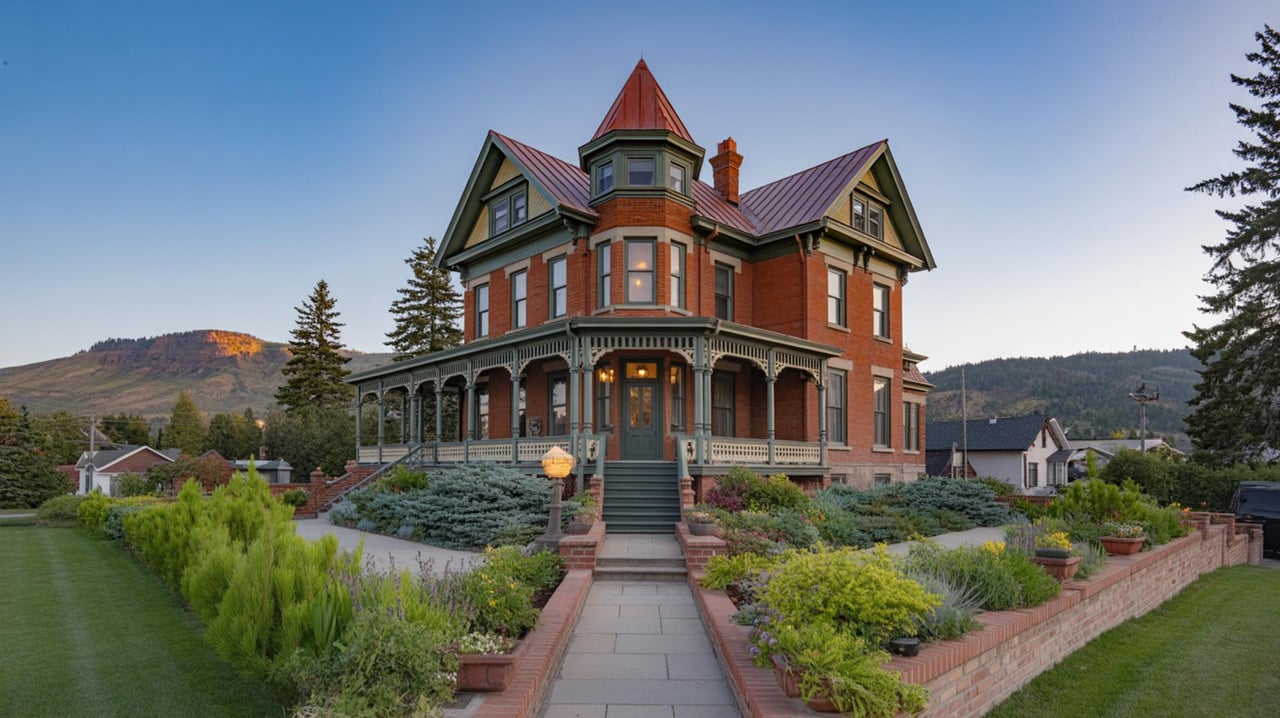
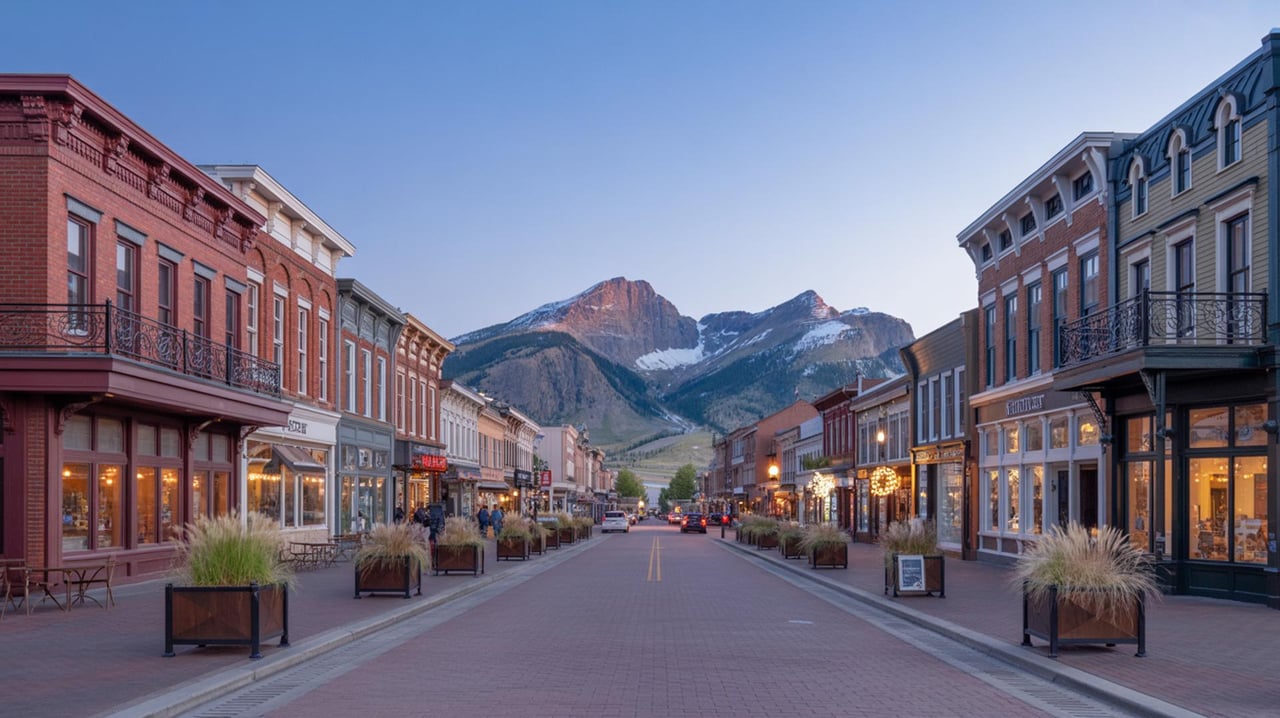
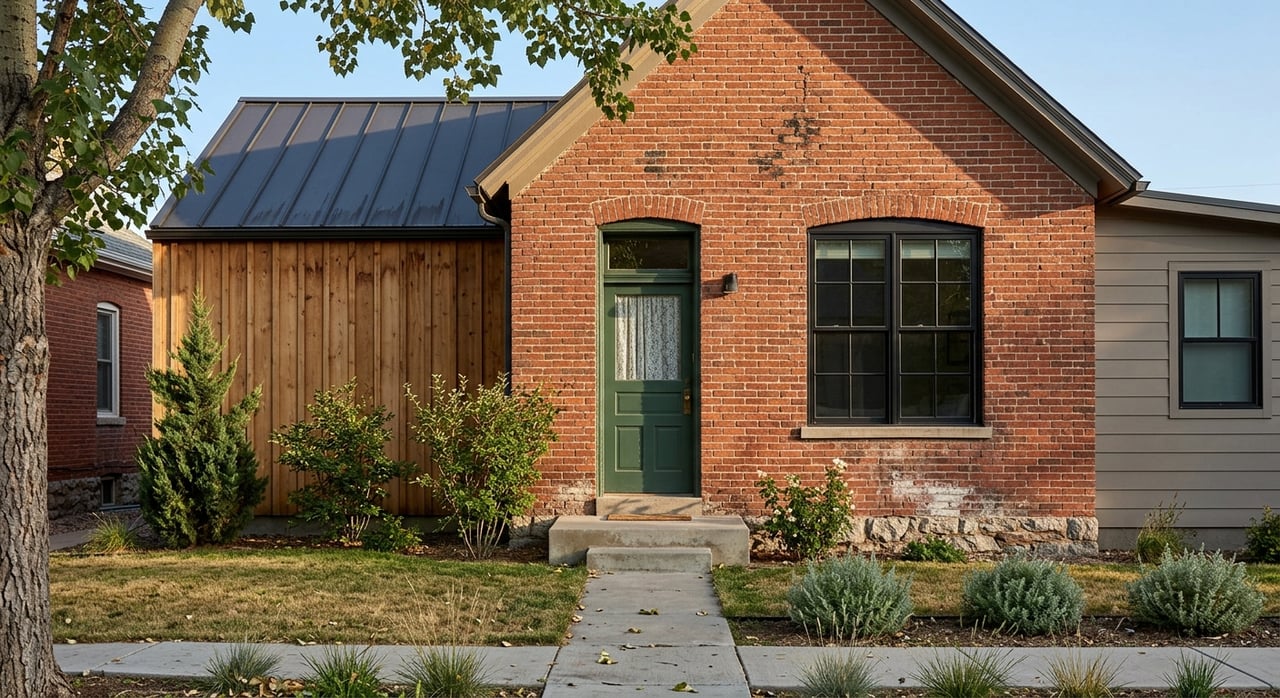
Historic homes in Butte offer a level of character that is hard to duplicate. In Uptown and nearby historic areas, you can find Victorian, Italianate, Queen Anne, Neoclassical, and Late Victorian styles, often with porches, bay windows, handcrafted trim, and original glass details.
You also see more variety from block to block. One street may include larger two-story homes, worker cottages, flats, and homes with very different footprints and room flow.
If you want a home that feels distinct and tied to place, historic Butte can deliver that in a big way. These homes often appeal to buyers who value architecture, neighborhood texture, and details that newer construction rarely matches.
Historic homes often have unique layouts
Older homes were built in a different era, so floor plans can feel less standardized. You may find smaller closets, more segmented rooms, narrower stairs, or additions completed over time.
That does not make them better or worse. It simply means you should judge them based on how you actually live, not just how they look in photos.
Preservation can shape future updates
One of the biggest differences with historic homes in Butte is that future work may involve more than your contractor and budget. Depending on the property, exterior changes such as windows, siding, porches, additions, or demolition may be subject to local preservation review.
If you love the idea of restoring a classic home, that may feel worthwhile. If you want complete flexibility to make fast exterior changes, it is something to understand before you close.
What to watch for in older homes
Historic homes can be deeply rewarding, but they often come with more variables. The key is to separate cosmetic charm from system condition and renovation complexity.
A beautiful staircase or original trim does not tell you the age of the wiring, plumbing, or roof. That is why due diligence matters so much in Butte’s older housing stock.
Lead paint and asbestos matter
Homes built before 1978 are more likely to contain lead-based paint. If future work involves sanding, cutting, scraping, or replacing windows, that can create hazardous dust.
Suspected asbestos is another issue that cannot be confirmed by sight alone. If renovation work may disturb older materials, testing by a trained professional is an important step.
Ask what is original and what was updated
In a historic home showing, some of the best questions are practical ones:
- What features and systems are original?
- What has already been updated?
- Was past work completed with permits where required?
- Are there records for major repairs or rehabilitation?
These answers help you understand whether you are buying a carefully updated home or a project with unknowns behind the walls.
Butte’s mining legacy adds another layer
In Butte, soil and yard conditions can be part of the conversation too. Cleanup work tied to the Butte Superfund complex has been ongoing for decades, and local and federal agencies identify active cleanup areas including Butte Priority Soils and West Side Soils.
If you are considering an older home, ask whether there has been prior remediation, whether the yard falls in a cleanup area, and whether future excavation could trigger extra steps. That is just as important as asking about the furnace or sewer line.
Why newer homes appeal to many buyers
Newer homes usually offer a more straightforward comparison process. Butte-Silver Bow has adopted the 2021 ICC codes, including the International Residential Code and the International Energy Conservation Code, and local offices handle plan approval and residential permits.
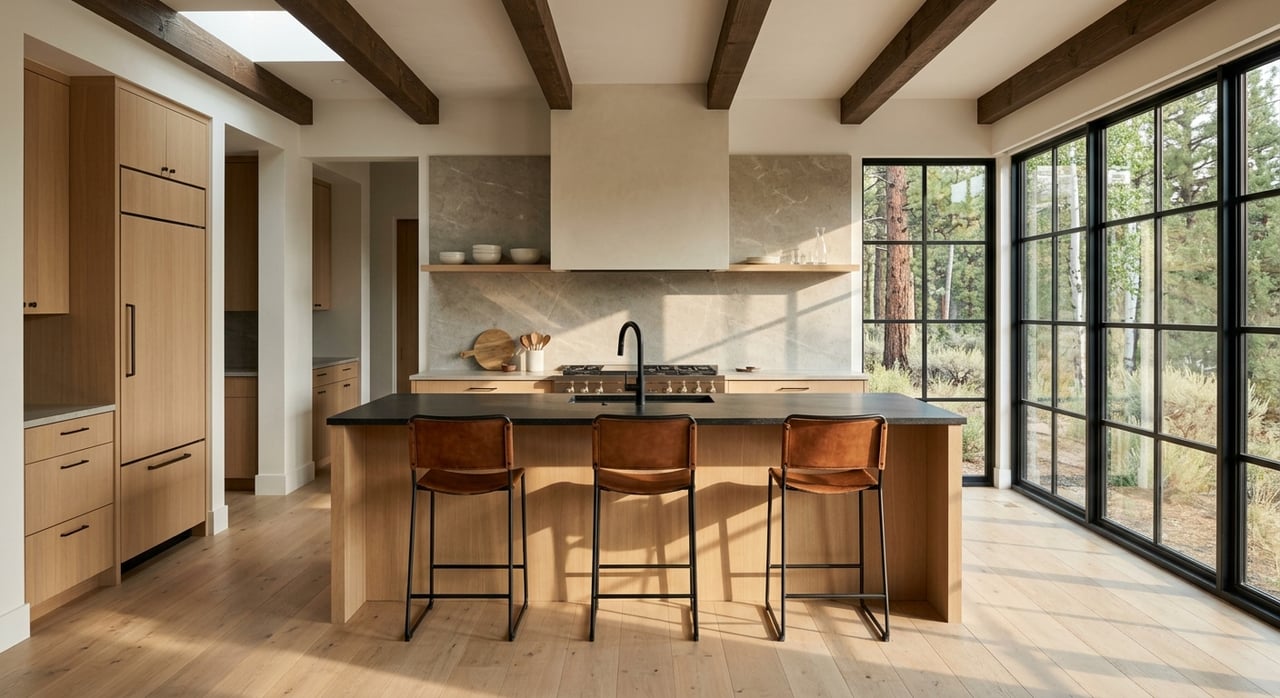
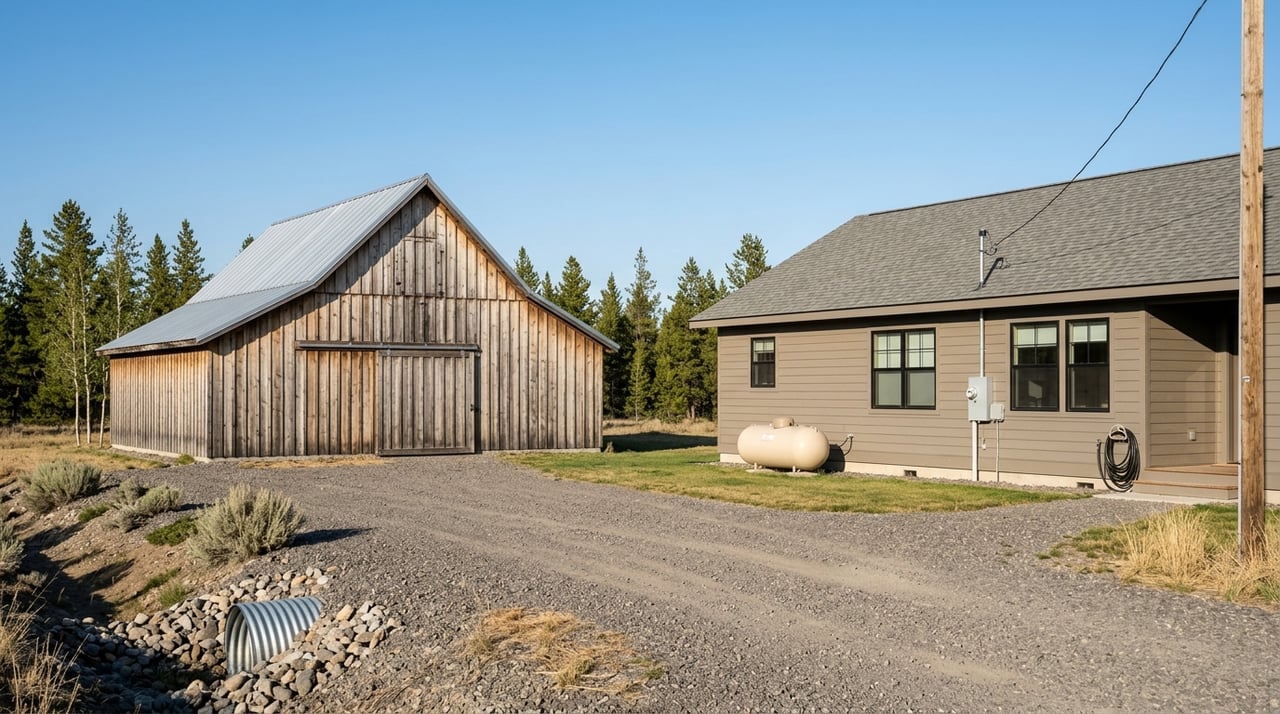
For you, that often means more predictable systems, more standardized site planning, and fewer unknowns tied to century-old construction. If simplicity and line-item clarity matter, newer homes can be an easier fit.
Newer systems can mean fewer surprises
A newer home may give you more confidence in the age and condition of major components. Plumbing, electrical, insulation, windows, and heating systems are generally easier to evaluate when they were installed under current code frameworks.
That does not mean a new home is problem-free. It does mean the checklist is usually more consistent and easier to verify with permits, inspections, and builder documentation.
Builder warranties can offer short-term protection
One of the clearest benefits of new construction is warranty coverage. Many newly built homes include a builder warranty, often with one year for workmanship and materials on many components, two years for HVAC, plumbing, and electrical systems, and up to ten years for major structural defects.
You still need to read the fine print. Warranties commonly exclude appliances and many cosmetic issues, so it is smart to ask exactly what is covered, how claims are filed, and what deadlines apply.
Questions to ask on a newer home tour
If you are looking at a newer home in Butte, keep your questions focused on documentation and completion status. A clean finish does not always tell you whether every item has been signed off properly.
Here are smart questions to raise:
- What does the builder warranty cover, and for how long?
- Has the final inspection been completed?
- Is there a completed punch list?
- Were grading, drainage, utility hookups, and energy-code items signed off under permit?
- If the home is not finished yet, what are the deposit and refund terms?
If you are buying a home before construction is complete, it is also wise to understand whether your contract is contingent on financing and a satisfactory inspection.
Radon is worth testing in any home
Radon deserves attention whether you buy historic or new. Montana DEQ says the EPA and the Surgeon General recommend testing all homes for indoor radon, and the EPA action level is 4 pCi/L or higher.
That makes radon a sensible inspection item in Butte no matter what year the home was built. A restored historic property and a recently completed home can both test high, so do not assume age tells the whole story.
A simple way to decide
If you are torn between the two, it helps to focus less on appearance alone and more on your comfort level after closing. In Butte, the better choice often comes down to how much maintenance, project management, and rule navigation you want to take on.
Historic homes tend to fit buyers who value architectural character, neighborhood texture, and the experience of owning something distinctive. Newer homes tend to fit buyers who want current-code construction, more standardized systems, and warranty-backed peace of mind.
Neither option is automatically better. The right fit is the one that matches your budget, your timeline, and your tolerance for future projects.
How to compare homes realistically
When you tour homes in Butte, try using the same framework for each property. That keeps emotion in check and helps you compare a charming historic home with a practical newer one more clearly.
Look at these categories side by side:
- Layout and daily livability
- Condition of major systems
- Likely near-term repairs
- Rules affecting future exterior changes
- Soil, radon, and environmental questions
- Permit history and documentation
- Warranty coverage, if any
This kind of side-by-side review helps you see the full picture. A home with more charm may also require more planning, while a newer home with fewer surprises may better support a move-in-ready lifestyle.
If you want local guidance as you sort through Butte’s older homes, newer builds, and all the details in between, Dayle Stahl offers direct, owner-led service built around practical Montana market knowledge.
FAQs
What is the biggest difference between historic and newer homes in Butte?
- In Butte, historic homes often offer more character and architectural variety, while newer homes usually offer more predictable systems, current-code construction, and clearer warranty expectations.
Do historic homes in Butte have renovation restrictions?
- Some do. Depending on the property and proposed exterior work, changes such as windows, siding, porches, additions, or demolition may require local preservation review through a Certificate of Appropriateness process.
What should you ask when touring a historic home in Butte?
- Ask what is original, what has been updated, whether past work was permitted, whether lead-based paint or asbestos may be present, and whether there are any soil cleanup or remediation issues tied to the property.
What should you ask when touring a newer home in Butte?
- Ask about builder warranty coverage, final inspections, punch-list completion, permit sign-offs for grading and drainage, and deposit refund terms if the home is not yet complete.
Should you test for radon in Butte homes?
- Yes. Montana DEQ says all homes should be tested for indoor radon, whether the property is historic or newly built.
Can historic homes in Butte qualify for tax credits?
- Possibly, but not every property will qualify. Montana offers a Historic Buildings Preservation Credit, and some income-producing historic properties may fit the federal historic tax credit framework if they meet program requirements.
Are newer homes always lower maintenance than historic homes in Butte?
- Not always, but they often have fewer immediate unknowns because their systems, permits, and construction standards are usually easier to verify.