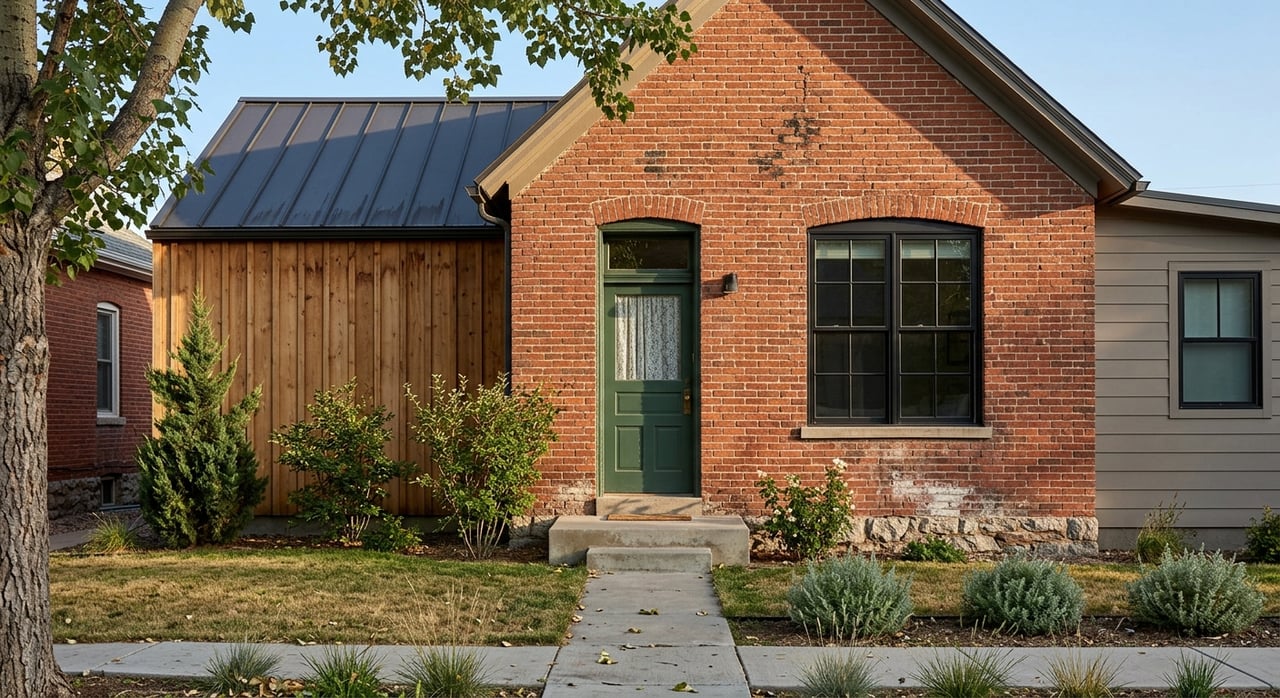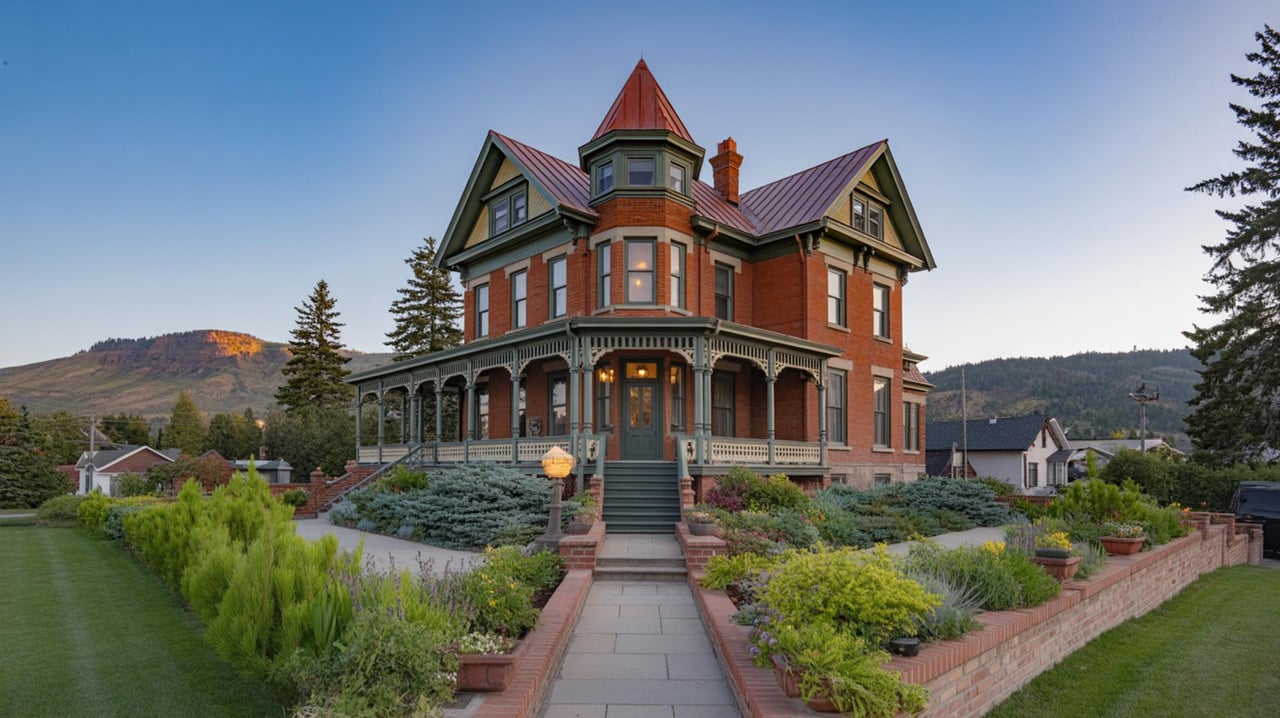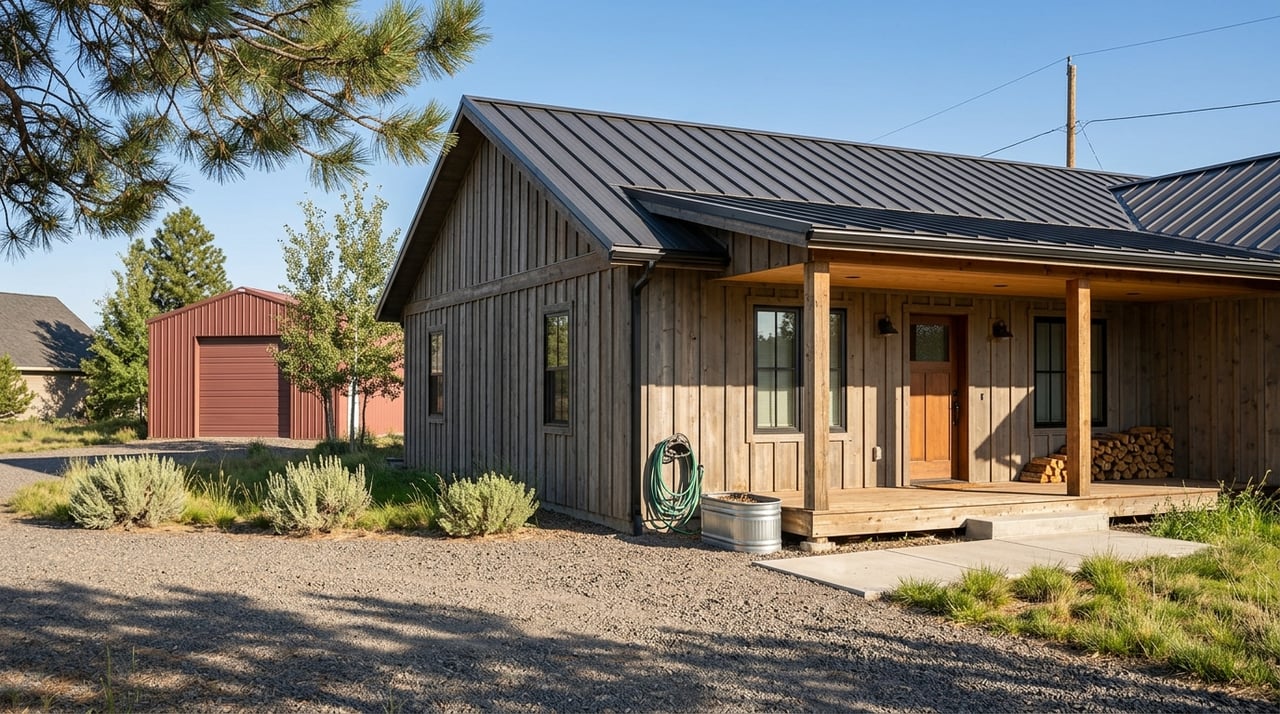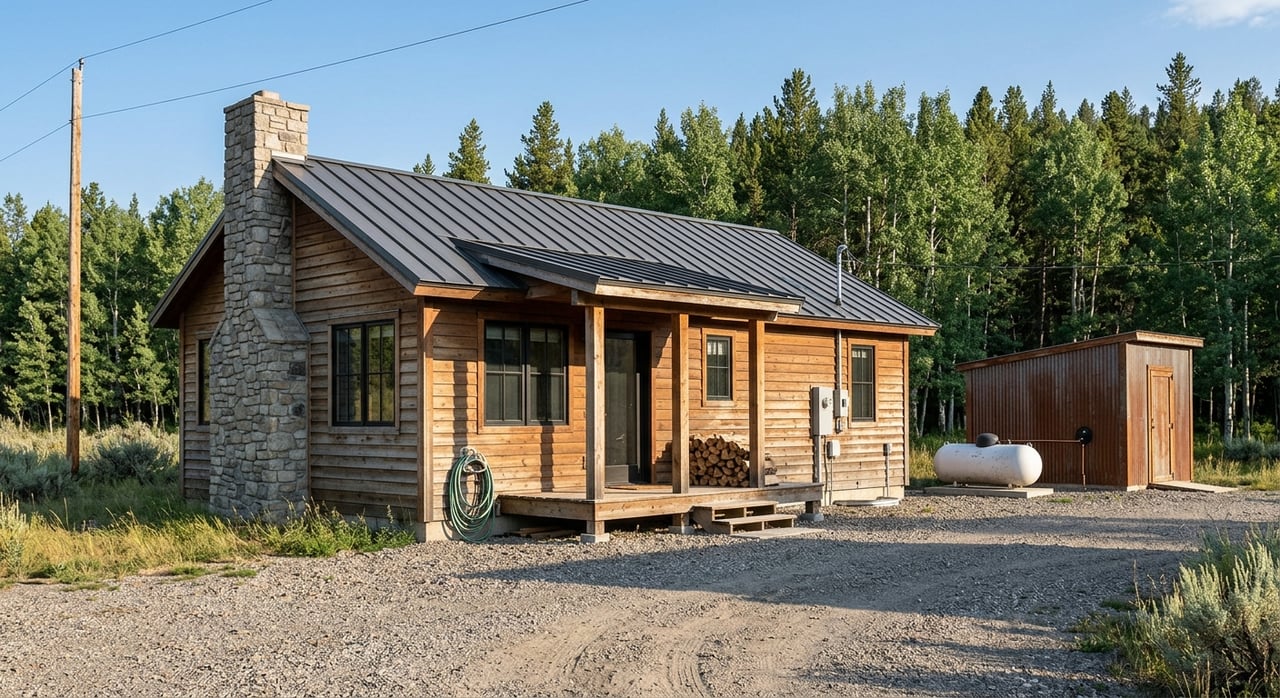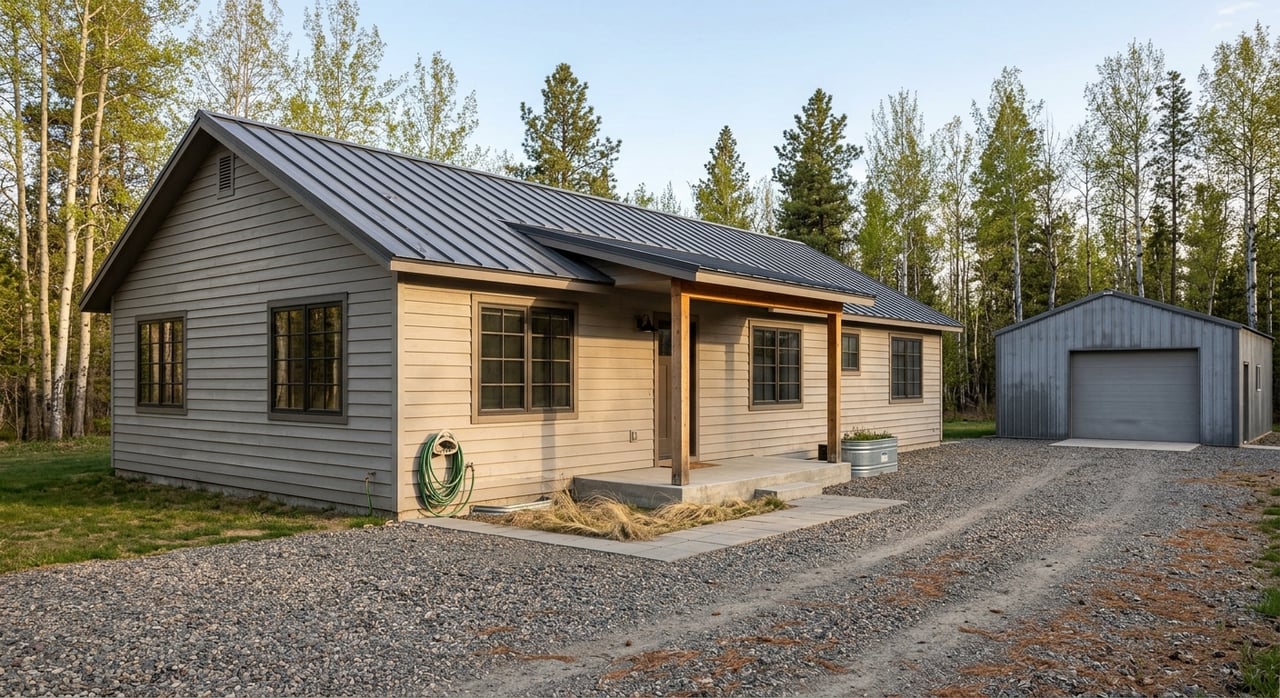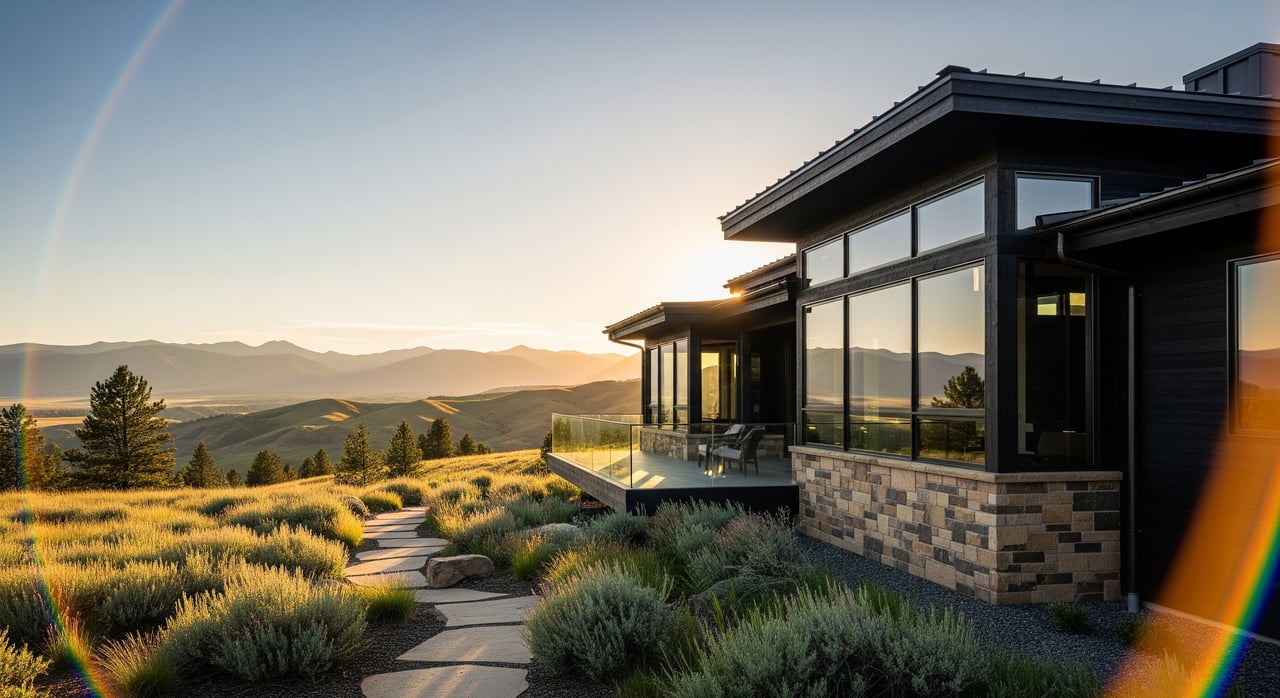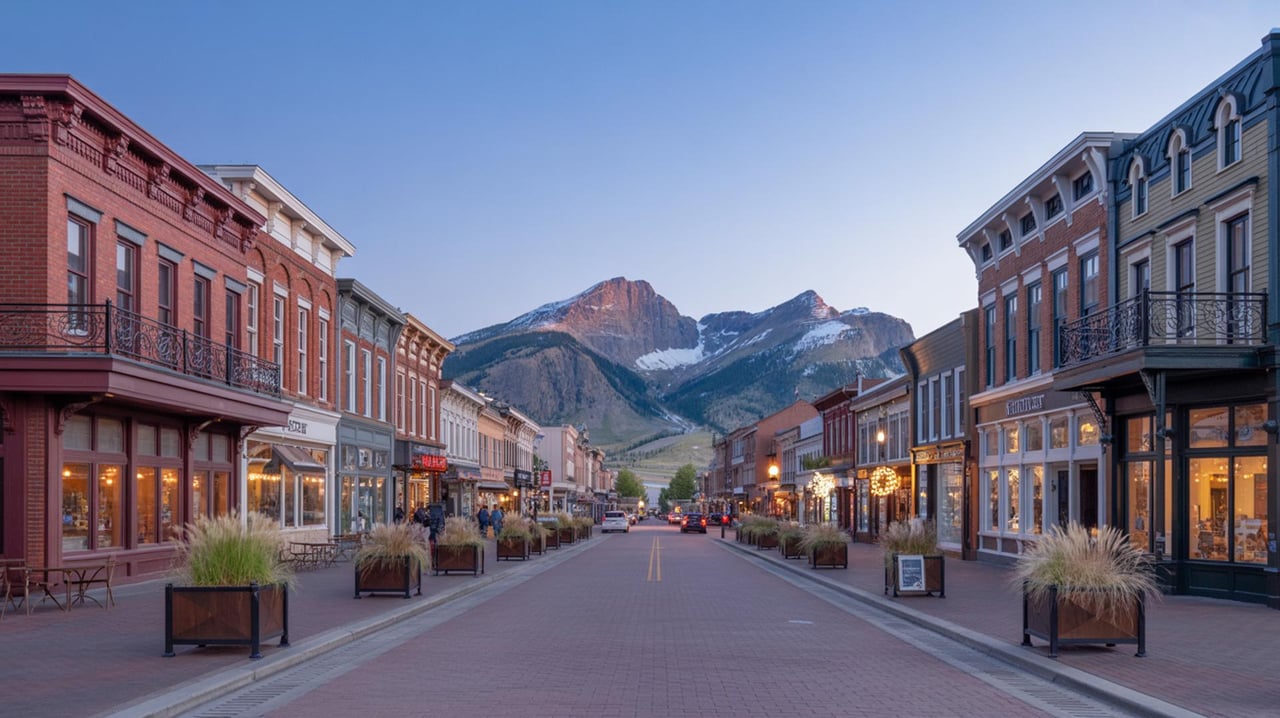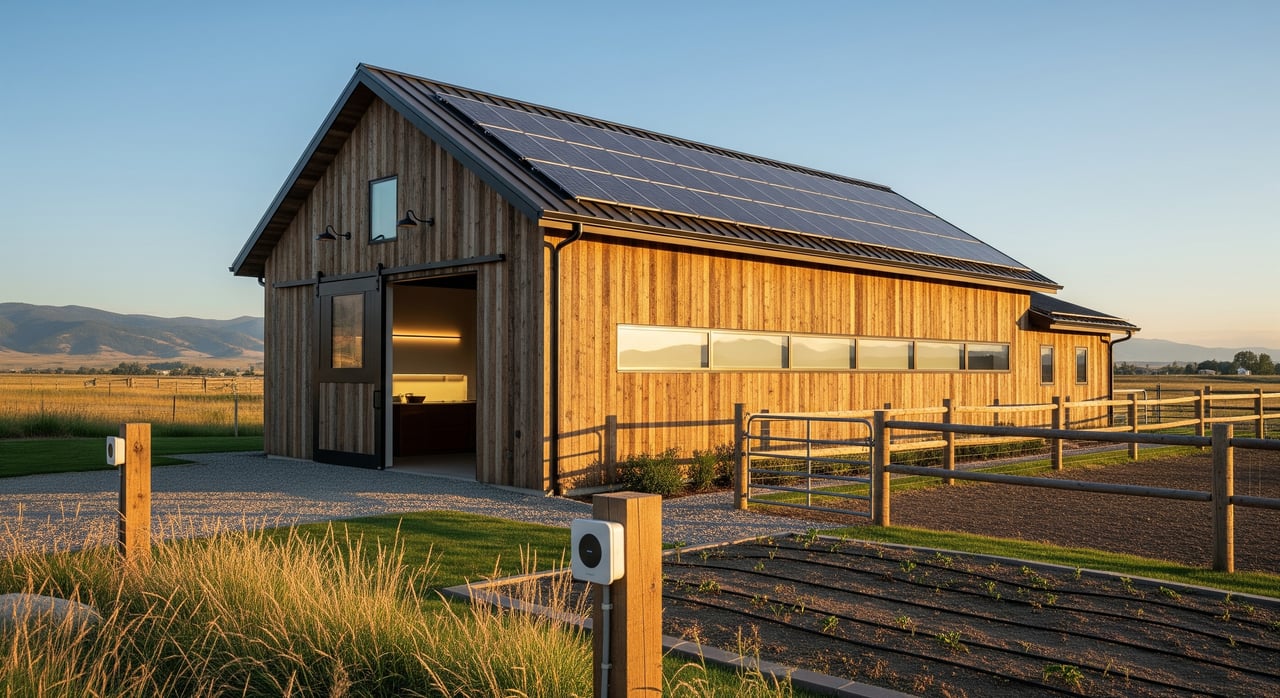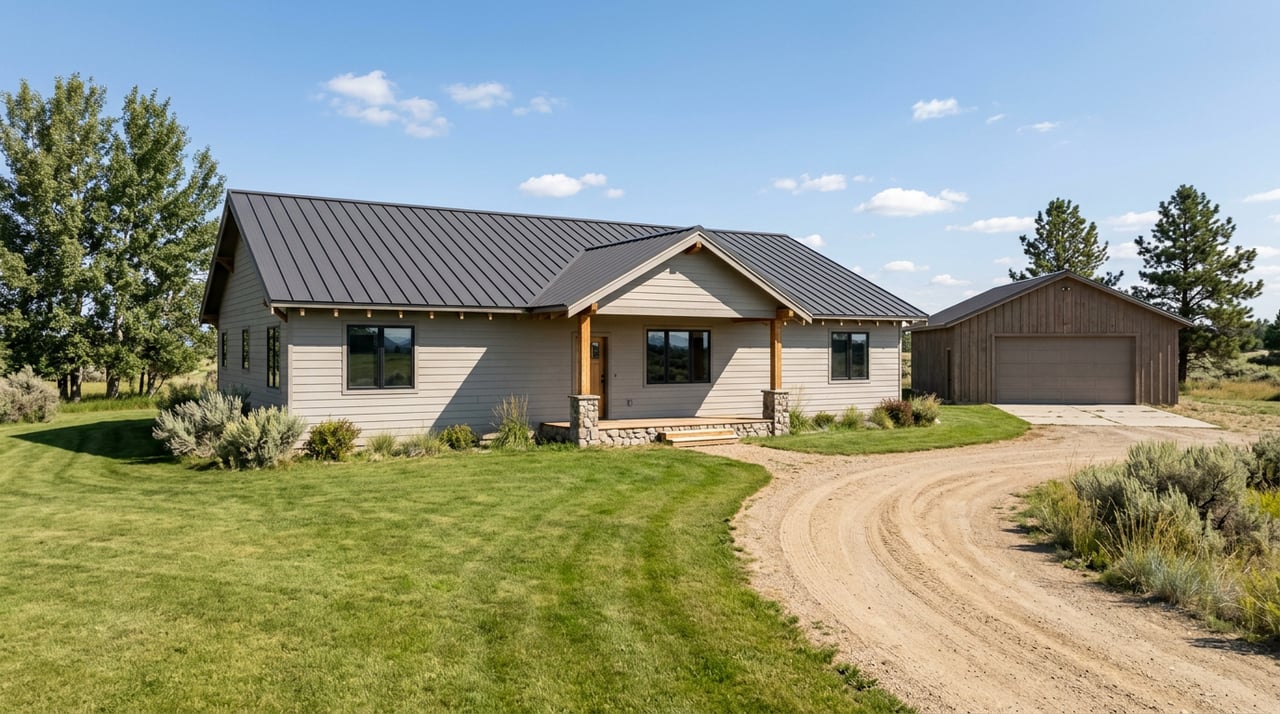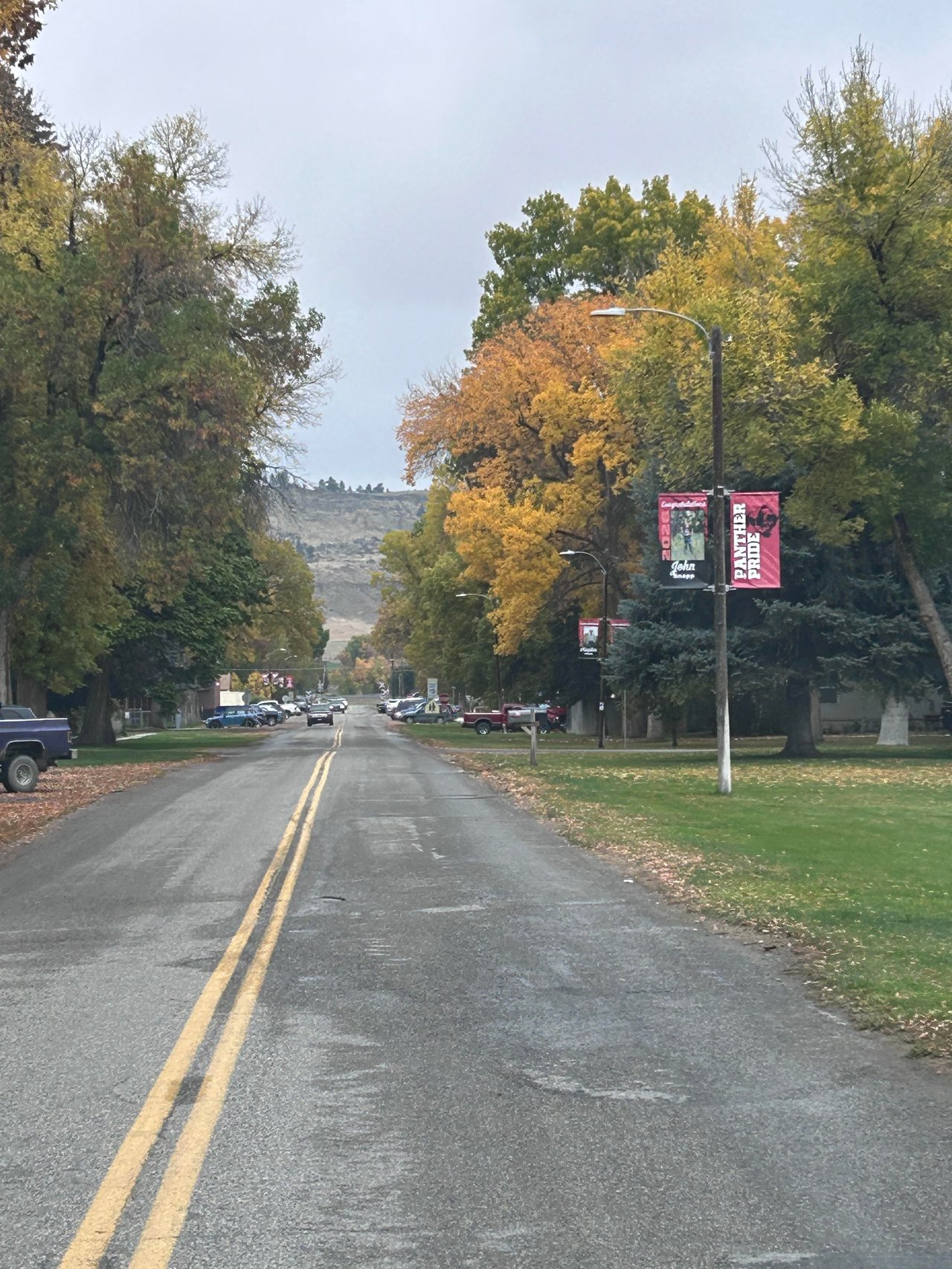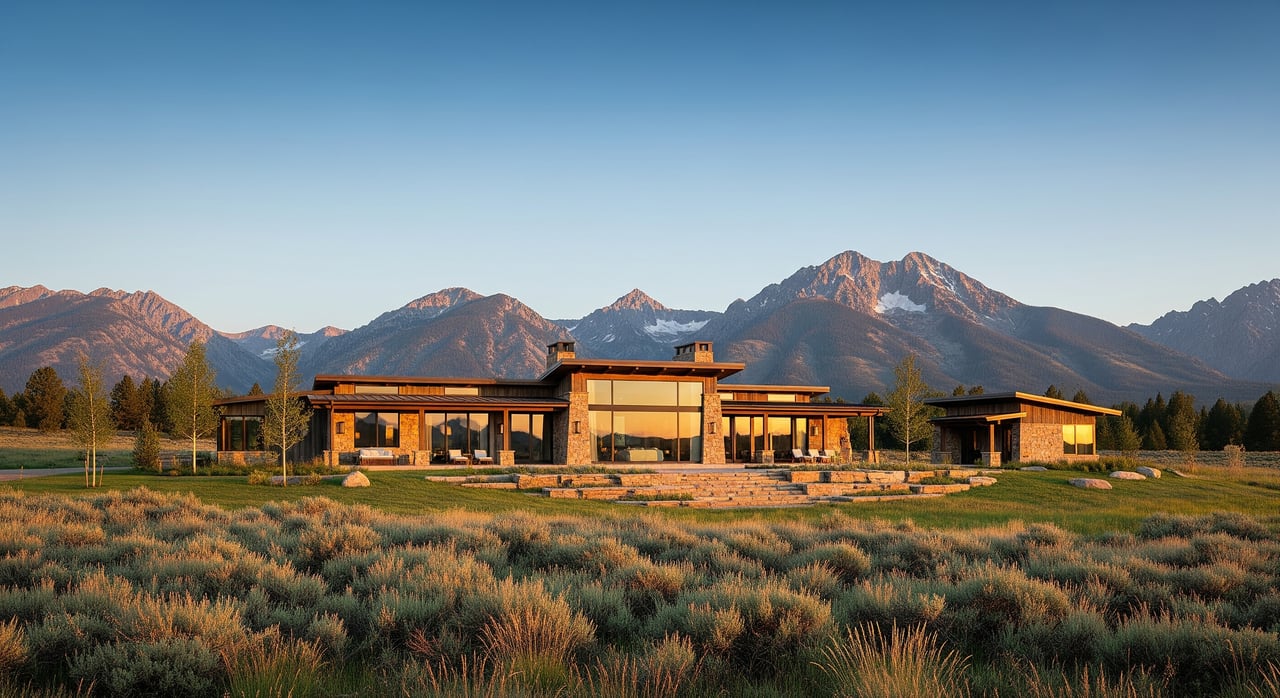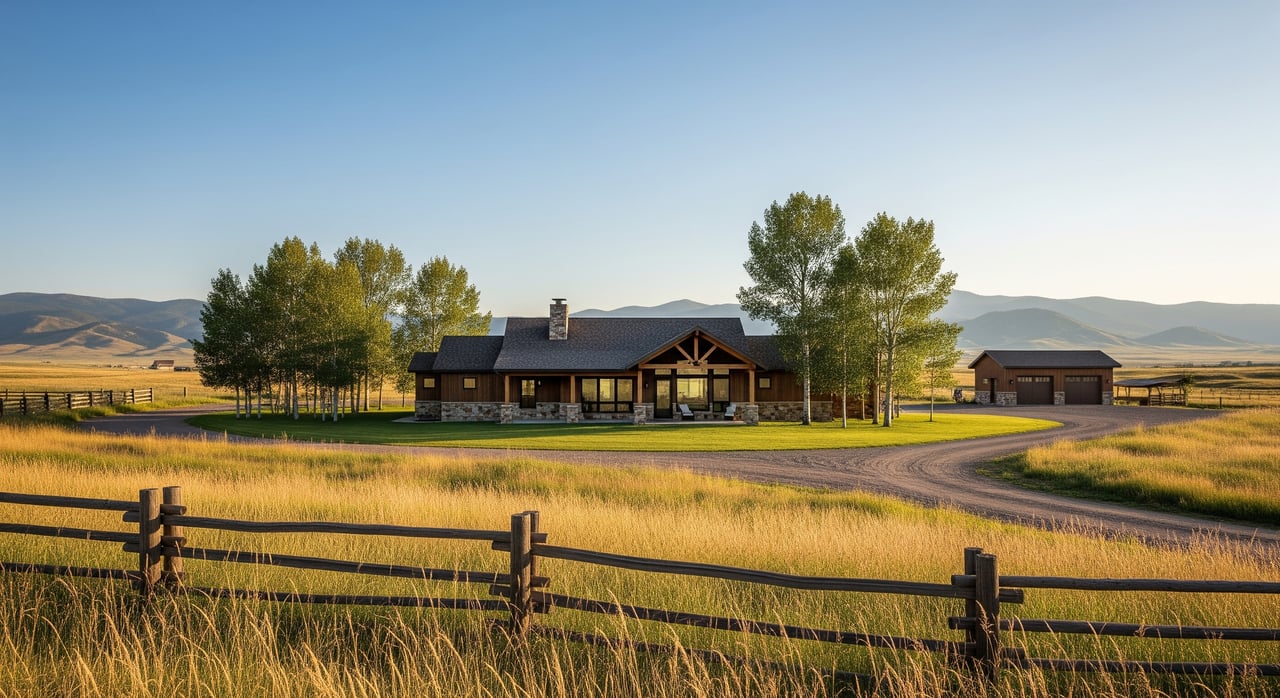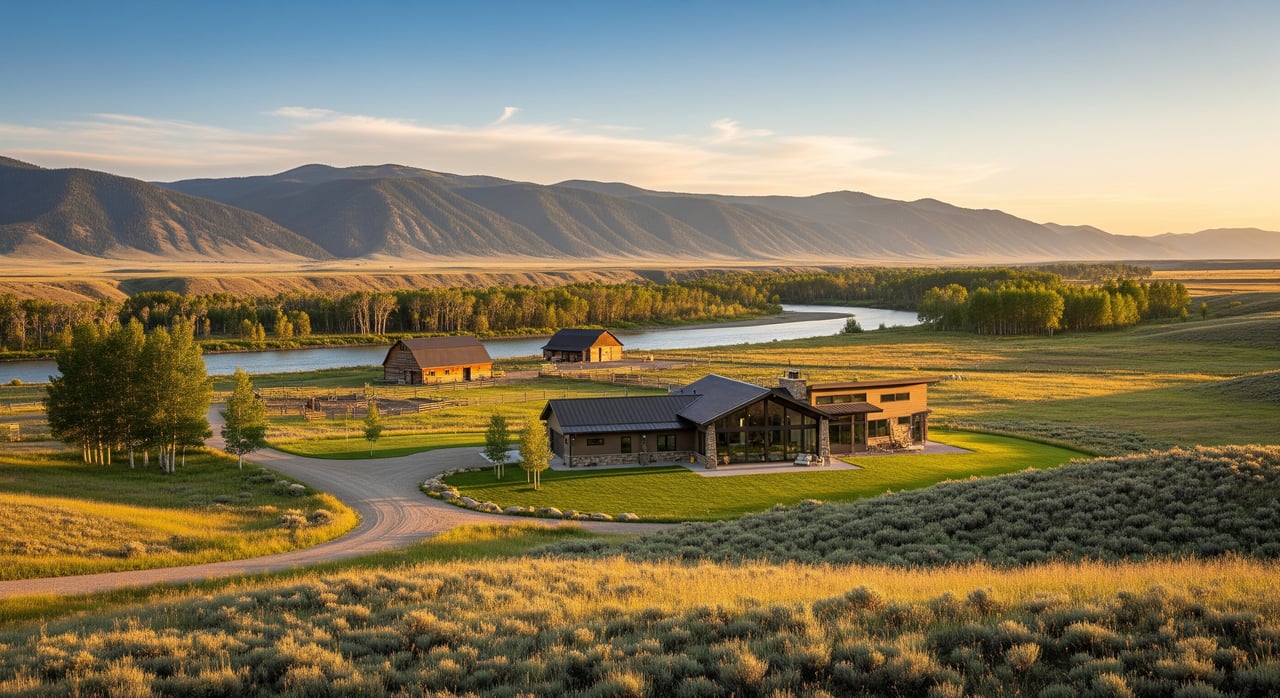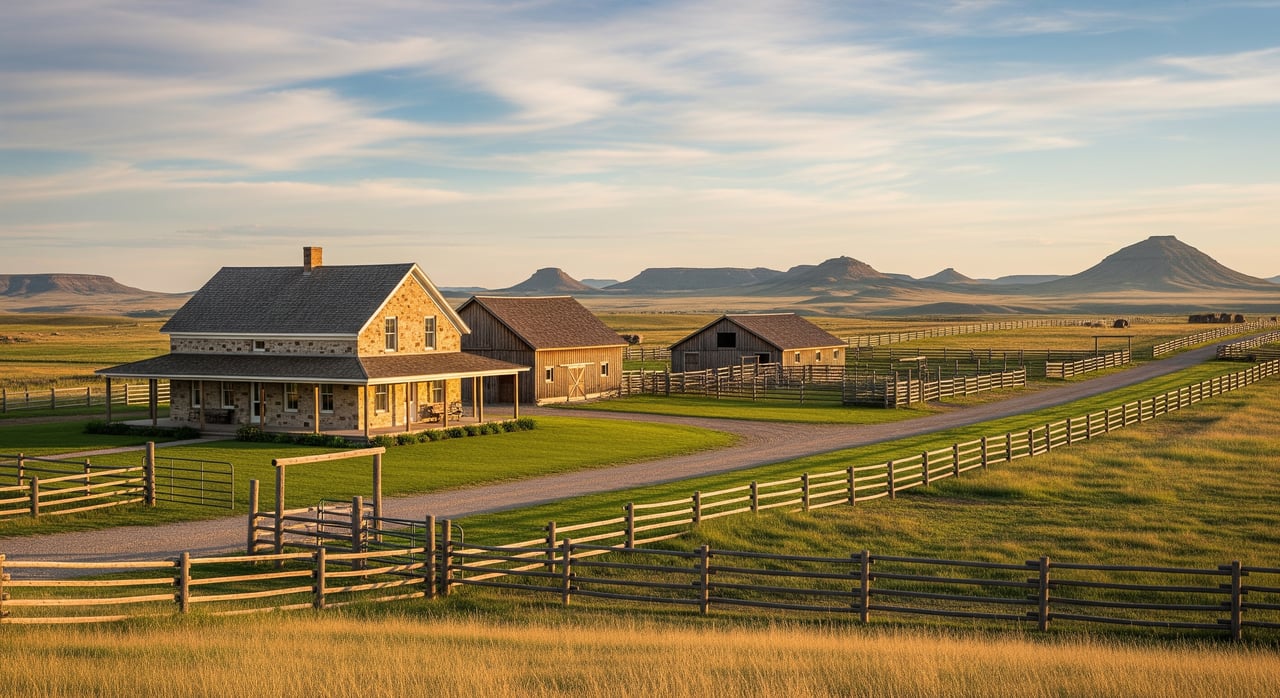
Trying to decide between a home in Livingston and a place with acreage just outside town? You are not alone. This is one of the most common choices buyers face in the Livingston area, and the right answer usually comes down to how you want to live day to day, not just what looks best in photos. In this guide, you will see how convenience, upkeep, regulations, and long-term fit can vary between in-town homes and nearby acreage so you can move forward with more confidence. Let’s dive in.
Why this choice feels so different
Livingston and the surrounding county offer two very different living experiences. Census estimates show Livingston has about 9,290 people in 5.64 square miles, while Park County has 18,074 people spread across 2,802.48 square miles. That density gap helps explain why a home in town can feel much different from a property in the nearby valleys.
The housing experience changes with that setting. In town, you are generally choosing a property tied to city services and a more compact street network. Outside town, you are often choosing more land, more privacy, and more property-specific systems to review before you buy.
In-town Livingston benefits
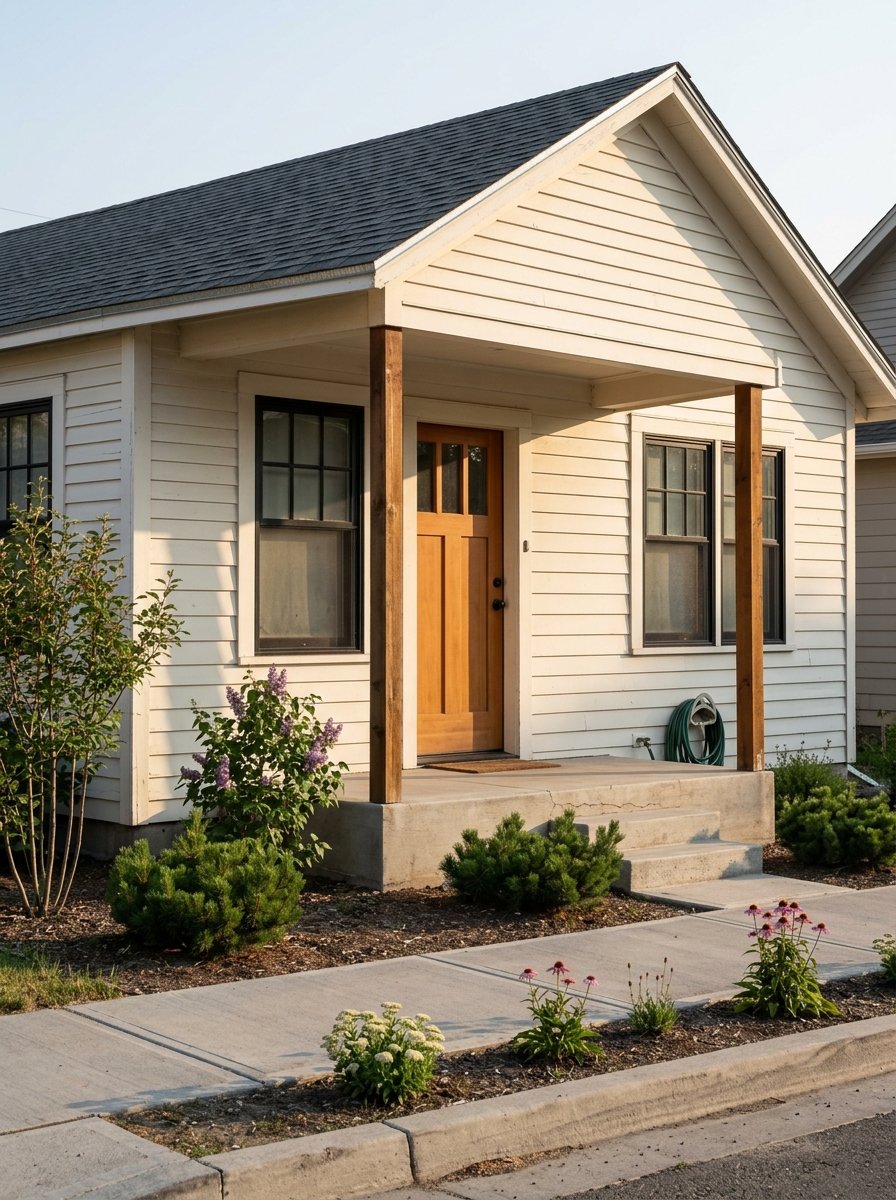
For many buyers, the biggest advantage of living in Livingston is municipal convenience. Livingston Public Works handles drinking water, sewer, garbage, and winter plowing within city limits. The city also maintains 71 miles of streets, 8.5 miles of trails, 173 acres of green space, and 3,880 trees.
That structure can make everyday ownership feel more predictable. City trash pickup runs Monday through Friday, and city utility billing customers receive annual green-waste permits. If you want a home base with fewer moving parts, that can be a meaningful plus.
Winter services are more defined
Winter is an important part of the decision in Montana. In Livingston, the Street Department sands when snowfall reaches 1 to 4 inches and plows the primary route after more than 4 inches or when roads are slick. Secondary streets are not normally plowed, and gravel streets are not on the normal sanding routes, but the city process is still more formalized than what many rural buyers expect.
If you want a simpler winter routine, that matters. You may still need to think about your exact street and property access, but the overall service framework is clearer inside town.
Simpler utility systems
In-town homes are usually connected to municipal water and sewer. That often means fewer questions about septic files, wells, and water-use records during your due diligence period. It does not remove the need for inspections, but it can reduce the number of specialized systems you need to understand.
This can also support resale appeal. Broadly speaking, homes with simpler utility setups may appeal to a wider group of future buyers than properties that require comfort with private systems and rural logistics.
Nearby acreage advantages
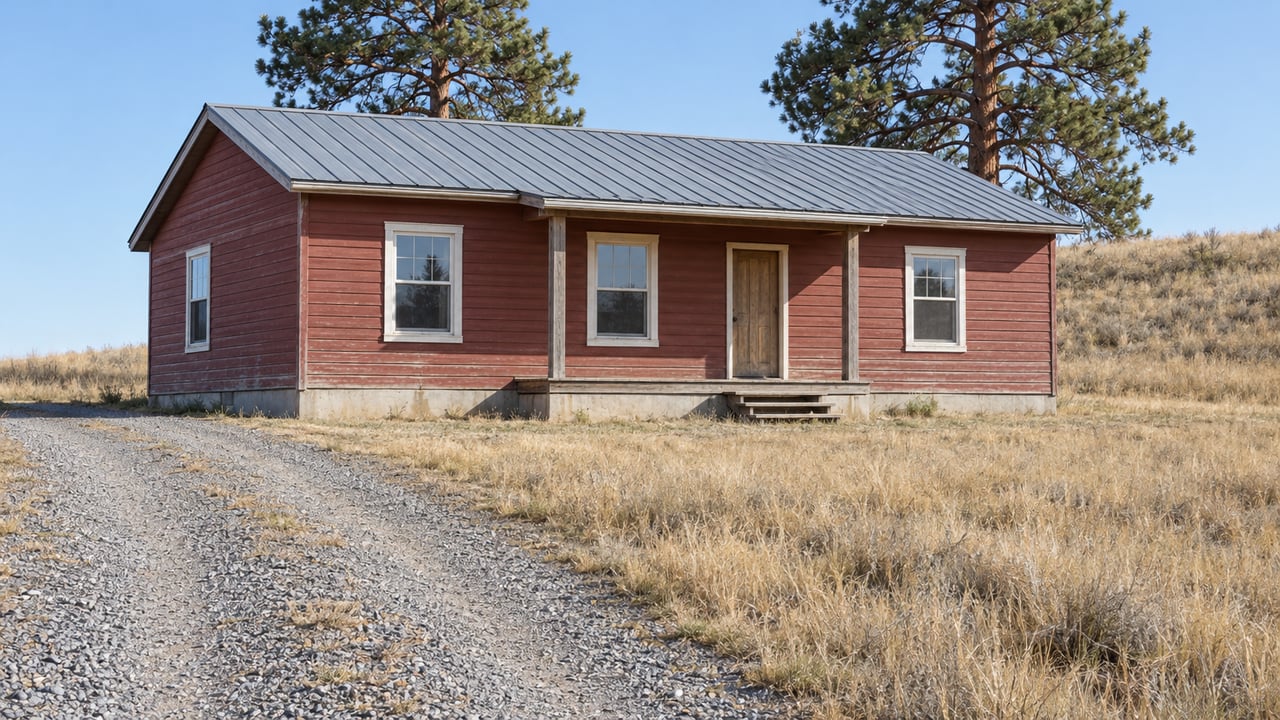
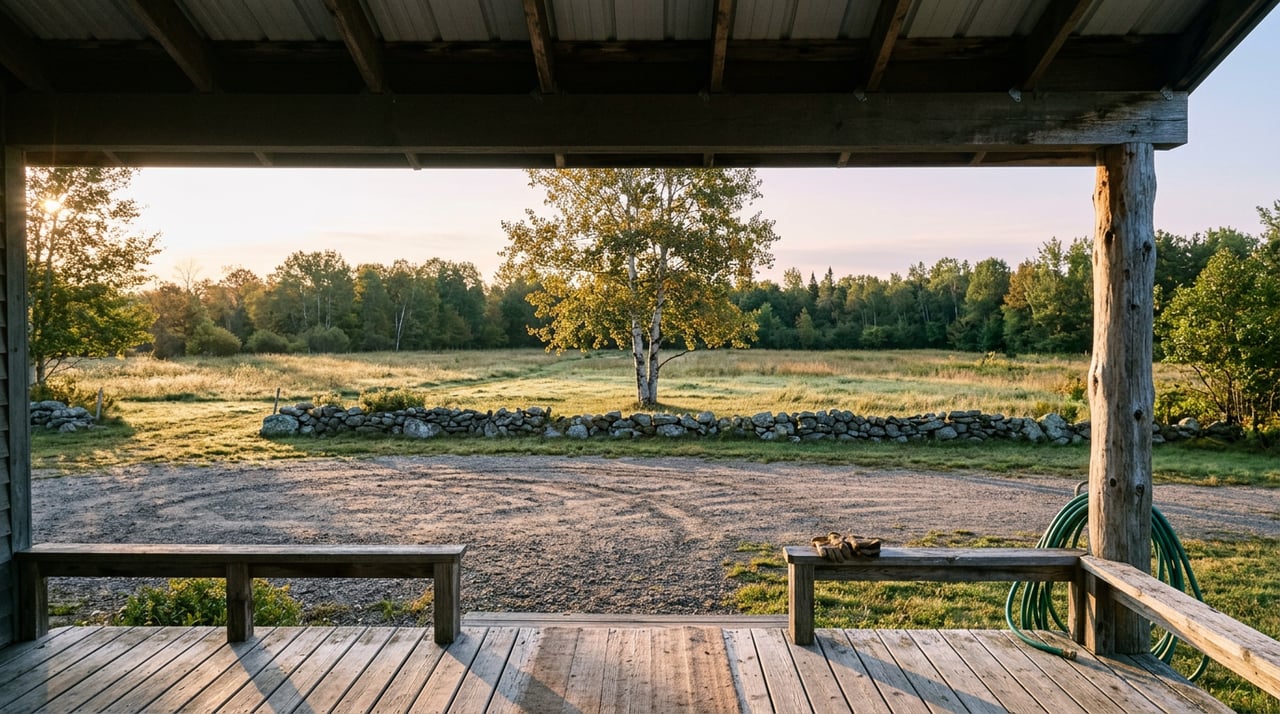
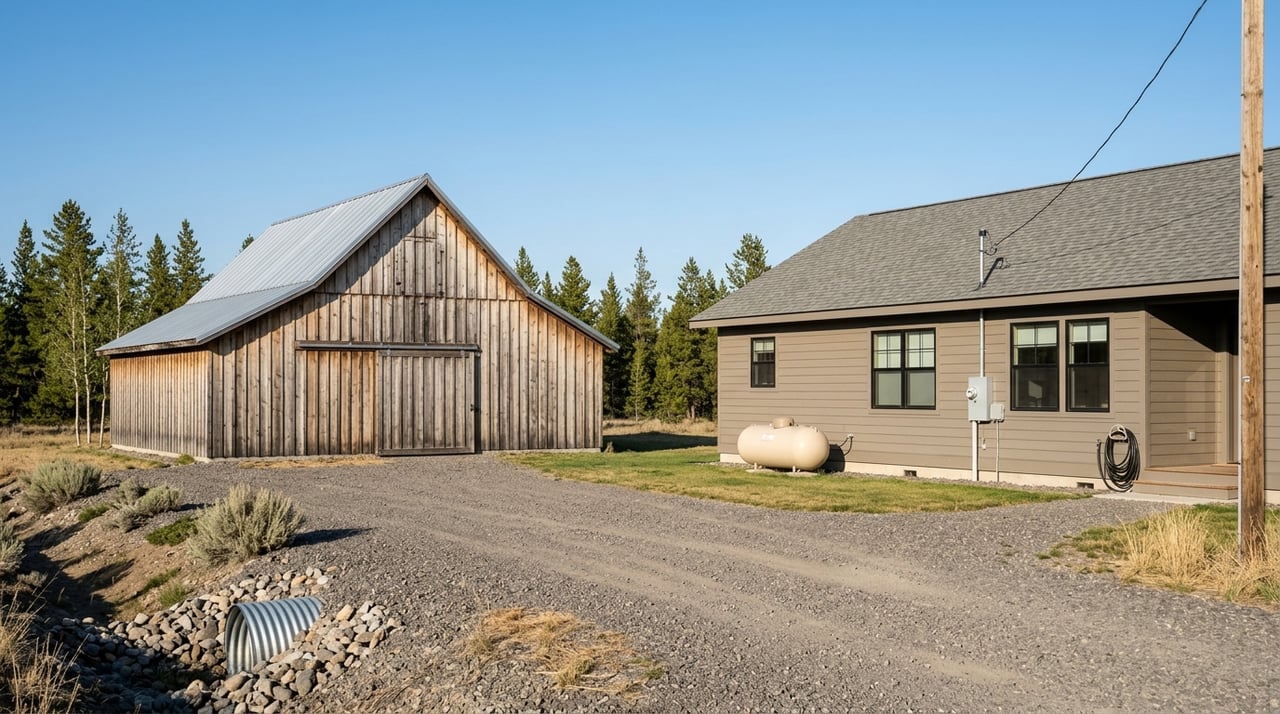
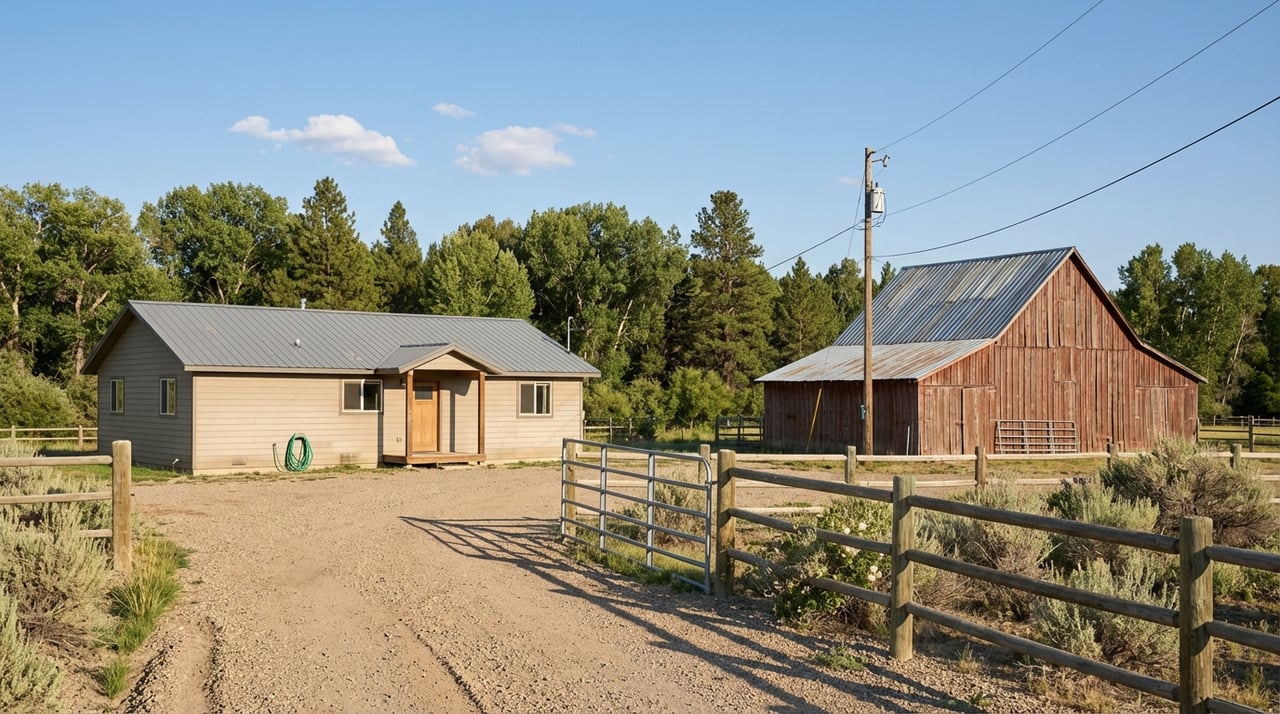
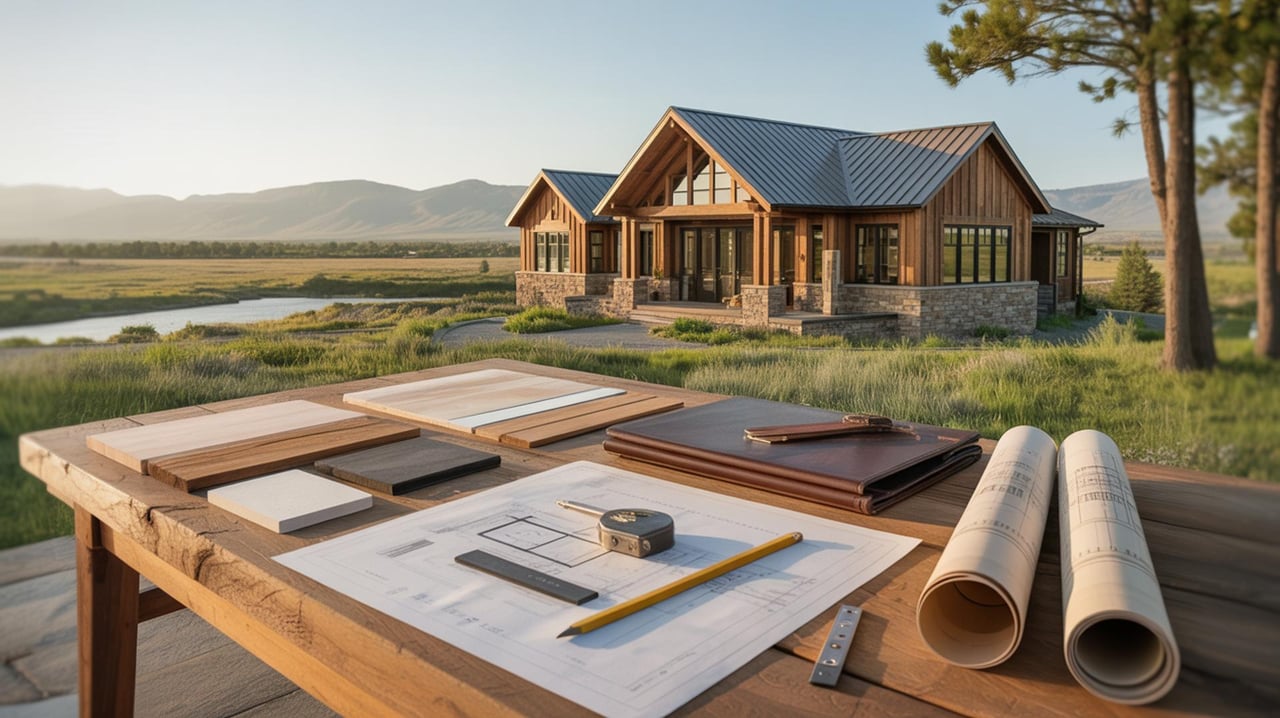
If your priority is space, lower density, and a more rural setting, acreage outside Livingston can be a great fit. Park County is vast compared with the city, and that scale is a major part of the appeal. You may gain elbow room, a broader landscape feel, and a property that supports a more land-oriented lifestyle.
That appeal is real, but it comes with tradeoffs. Acreage is usually the more specialized purchase because the property itself often requires deeper research before closing.
More land often means more responsibility
Outside city limits, the maintenance model changes. Park County Roads & Bridges is responsible for 873 miles of county roads and bridges. The county also requires road-work permits for things like driveway approaches, utility service connections, snowplowing, and dust-control work within the county right of way.
That means rural ownership can involve more hands-on problem solving. Even small things, like driveway access or roadside work, may require more planning than they would in town.
Rural addressing works differently
Acreage buyers should also know that rural addressing is handled differently. Park County assigns fire numbers, helps with USPS setup, and expects address numbers to be posted where the driveway meets the road. These are practical details, but they matter when you are evaluating how a property functions in real life.
For some buyers, that is part of the appeal. For others, it is a reminder that rural living often asks for more active oversight.
Budget differences to keep in mind
City and county housing costs can differ in broad ways. Census data shows a median owner-occupied value of $392,400 in Livingston versus $467,500 in Park County. Median monthly owner costs with a mortgage were $1,468 in the city and $1,828 in the county.
These are not direct substitutes for property-specific pricing, and they should not be used as comps. Still, they suggest that the county housing mix, which includes rural properties, tends to carry a higher ownership-cost profile on average.
The active city market is worth noting too. Redfin reported a Livingston median sale price of $438,737 in May 2026, with median days on market of 59. If you are comparing options, it helps to look at both your purchase price and the likely ongoing cost of ownership.
Land-use rules are different in each setting
Some buyers assume city homes have more rules and acreage has fewer. In practice, both settings have regulations, just in different forms.
What to know in Livingston
Livingston has its own zoning ordinance, subdivision regulations, and historic preservation program. The city building department uses the IBC and IRC for permits and inspections. If you are buying an older home and plan to make changes, it is smart to understand what approvals may apply.
Livingston also has four historic districts on the National Register. In Downtown Livingston, exterior changes are subject to design review. That does not make in-town ownership harder by default, but it does mean character and location can come with an added layer of review for renovations.
What to know in Park County
Park County planning covers zoning, subdivisions, floodplains, and rural improvement districts. Some county zoning districts include Paradise Valley and the US Hwy 89 S / East River Rd / Old Yellowstone Trail corridor. If you are considering acreage, you will want to understand the parcel’s zoning and any district-specific requirements.
Subdivision rules are especially important if you think you may split land later. Park County defines a subdivision as the creation of parcels under 160 acres and requires commission review plus a pre-application meeting before implementation. If future flexibility is part of your plan, this is a key issue to review early.
Utility due diligence matters more on acreage
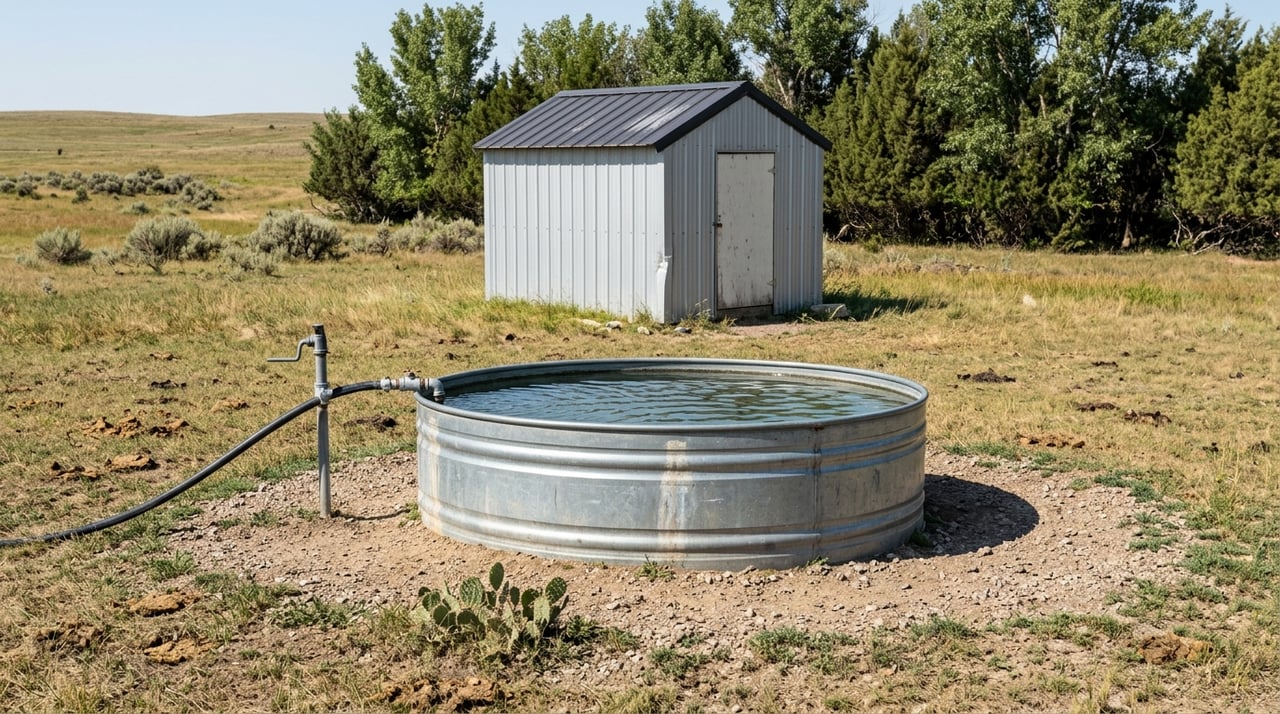
This is where many acreage purchases become more complex. Park County Environmental Health oversees septic permits, licensed site evaluators, water sampling, and DEQ Circular 4 for subsurface wastewater systems. If a property uses a septic system or well, those records deserve careful review.
Water rights can be just as important. According to DNRC guidance cited in the research, a recorded water right is required for the majority of water uses, all new uses of water require a water right, and beginning January 1, 2026, a permit-exception use from an exempt well requires a Notice of Intent before water is used. On irrigated acreage or any parcel with a well, these details can affect both use and future plans.
Watch for Rural Improvement District costs
Some county properties may also be part of a Rural Improvement District. These districts are funded by an additional tax and can pay for roads, water, sewer, storm drain, parks, and other utility infrastructure. A parcel that looks less expensive at first glance may come with extra district assessments.
That is why acreage buyers should go beyond the list price. Understanding the full cost of ownership is essential when comparing a rural property with an in-town home.
Internet access is promising, but verify it
Remote work is part of the conversation for many Livingston-area buyers. Census data shows broadband subscriptions in 91.5% of Livingston households and 90.2% of Park County households. That is encouraging for both in-town and rural buyers.
Even so, parcel-level service still needs to be verified before closing. Coverage can vary from one property to the next, especially on acreage, so this should be a direct part of your due diligence process.
Which option fits your lifestyle best?
A simple way to think about the choice is this: in-town Livingston is often the convenience option, while nearby acreage is the due-diligence option. Neither is better across the board. The right fit depends on what you value most.
Choose an in-town Livingston home if you want:
- Municipal water and sewer
- More structured trash and winter services
- A simpler ownership routine
- A property type that may appeal to a broader resale audience
- Closer connection to city streets, trails, and green space
Choose nearby acreage if you want:
- More land and a lower-density setting
- A property that feels more rural and independent
- Space for a land-oriented lifestyle
- Comfort reviewing wells, septic systems, road access, and water-right records
- A long-term plan that matches county zoning and subdivision rules
A smart checklist before you decide
If you are comparing in-town homes and acreage around Livingston, keep your decision grounded in daily life. Think about the systems you are comfortable managing, the level of privacy you want, and how much due diligence you are prepared to do before closing.
For acreage, be sure to verify:
- Whether a Rural Improvement District applies
- Whether the parcel has a recorded water right
- Whether septic and well files are complete
- Whether future land division would trigger subdivision review
- How road access and driveway requirements affect use
- Whether internet service works for your needs
For in-town homes, be sure to verify:
- Whether the property is in a historic district
- Whether planned exterior changes may need review
- How the specific street is handled in winter conditions
- The age and condition of the home’s major systems
When you match the property type to the way you actually want to live, the decision usually becomes much clearer. If you want help weighing Livingston convenience against nearby acreage, connect with Dayle Stahl for owner-led guidance tailored to Montana lifestyle property decisions.
FAQs
What is the main difference between Livingston homes and nearby acreage?
- Livingston homes usually offer more municipal convenience, while nearby acreage usually requires more property-specific due diligence for systems, access, and land-use details.
Are in-town Livingston homes easier to maintain than acreage properties?
- In many cases, yes. In-town homes are often connected to city water, sewer, trash service, and structured winter road service, which can simplify day-to-day ownership.
What should you verify before buying acreage near Livingston?
- You should verify septic and well records, recorded water rights, road access details, Rural Improvement District status, and whether future land division would require subdivision review.
Do Livingston city homes have special renovation rules?
- Some do. Livingston has zoning and historic preservation rules, and exterior changes in Downtown Livingston historic areas are subject to design review.
Is internet service available in Livingston and Park County properties?
- Broadband is common in both areas based on Census subscription data, but service should still be verified at the specific property before closing.
Are county properties around Livingston usually more expensive to own?
- Broad Census data suggests Park County has higher median owner-occupied value and higher median monthly owner costs with a mortgage than Livingston, though each property should be evaluated on its own merits.