Looking for a second home that gives you more than one good season? Livingston stands out because it shifts with the calendar in ways many lifestyle markets do not. If you want a place that can feel like a winter basecamp, a spring fishing hub, a summer culture stop, and a quieter fall retreat, Livingston gives you all four. Let’s dive in.
Why Livingston Works Year-Round
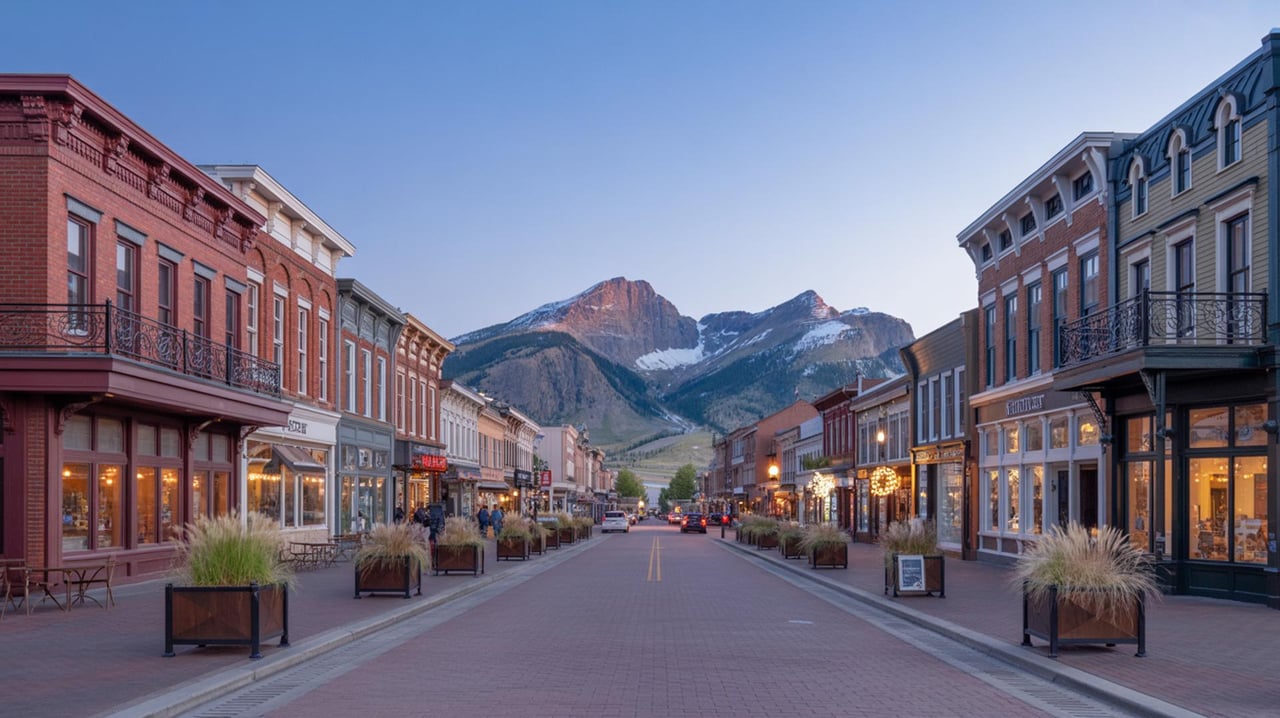
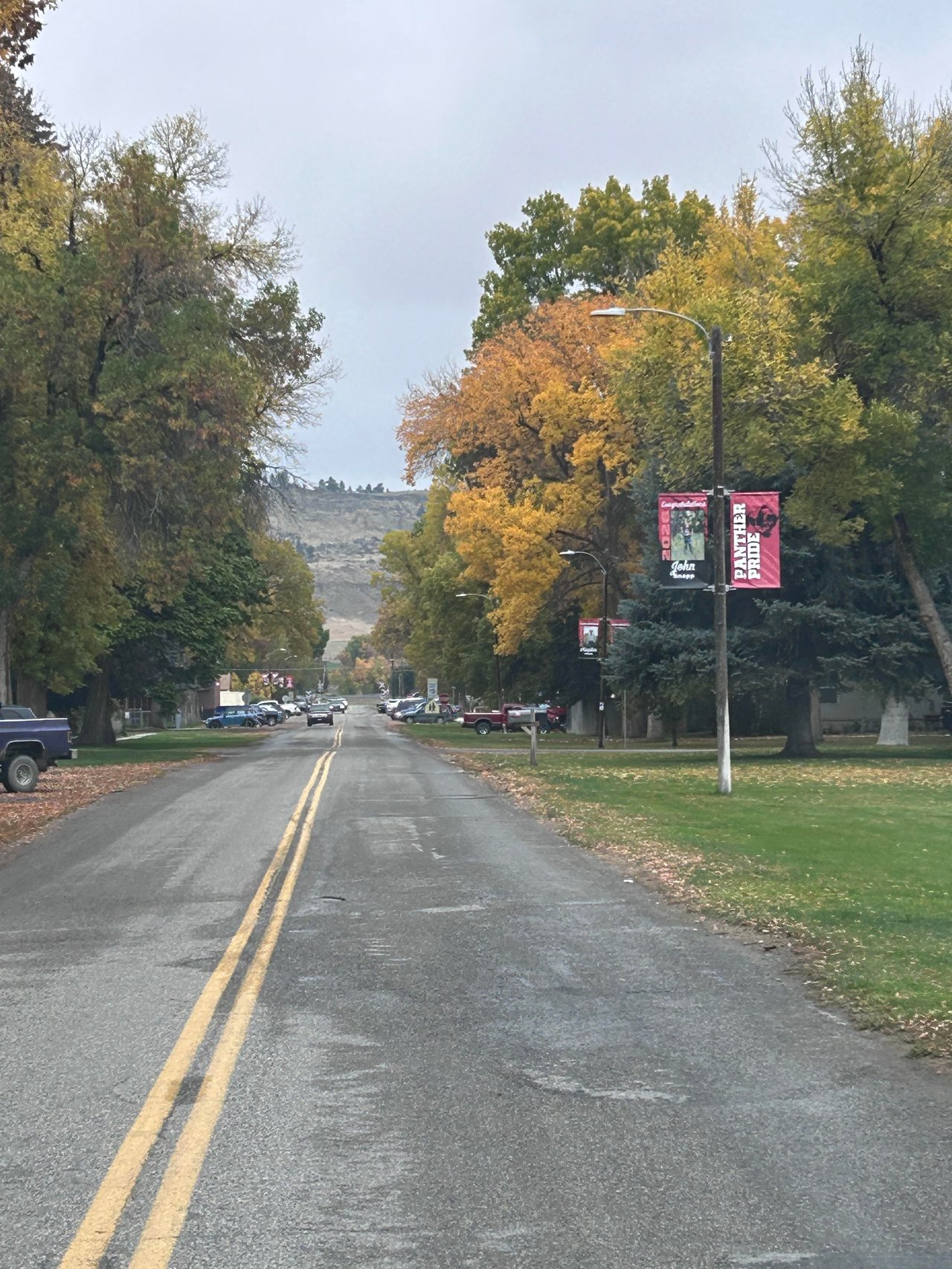
Livingston sits on the Yellowstone River at the northern edge of Yellowstone country, with a historic downtown, museums, galleries, live theater, restaurants, and mountain views that shape daily life in every season. For many second-home owners, that mix matters because it gives you more than a scenic address. It gives you a place with a steady local rhythm.
The climate supports that four-season feel. NOAA normals for Livingston Mission Field, at 4,643 feet, show relatively low annual precipitation at 14.55 inches, along with real swings in temperature through the year. Average highs range from 37.4°F in January to 85.7°F in July, which helps explain why Livingston feels like a true seasonal base rather than a one-note resort market.
Winter in Livingston
Winter in Livingston is built for owners who want snow-season access without giving up town activity. Average highs from December through February stay in the mid-to-upper 30s, and lows are around 19°F. That creates a true winter setting while still keeping Livingston active and usable.
For ski-minded owners, Bridger Bowl is a major part of the appeal. Its current mountain statistics list a projected operating season from December 11, 2026 through April 11, 2027, along with 2,000 skiable acres, 2,700 feet of vertical, and more than 300 inches of average seasonal snowfall. Bridger Bowl also notes free winter bus service, which adds convenience during the snow season.
Winter in Livingston is not only about skiing. Park County’s fairgrounds calendar shows recurring open-skate and stick-and-puck programming through the colder months, which helps the town keep its energy even when snow is on the ground. If you want a second home that still feels connected and active in winter, that is a real advantage.
Best winter fit
If your ideal winter weekend includes restaurants, downtown browsing, and easy short-stay convenience, the in-town core is often the clearest match. Livingston’s four historic districts include Downtown, Westside Residential, Eastside Residential, and B Street, which can help you think about whether you want a walkable setup or something farther out. For many second-home buyers, that choice comes down to simple use: lock-and-leave convenience in town or a more spread-out setting with a quieter feel.
Spring in Livingston
Spring in Livingston is a transition season, not an instant reset. Average highs rise from 47.8°F in March to 54.4°F in April and 64.4°F in May. Precipitation also picks up in late spring, reaching 2.66 inches in May and staying elevated at 2.42 inches in June.
For second-home owners, that pattern can be a benefit rather than a drawback. Spring often appeals to anglers who want shoulder-season river access before peak summer activity arrives. Local recreation materials highlight fishing and boating in the lower Yellowstone corridor, and Livingston tourism resources point to the Yellowstone River and Paradise Valley spring creeks as major local draws.
Yellowstone National Park access also starts to feel more seasonal again in late spring. The park’s official transportation information says most roads open from mid-April through October 31. If your second-home plan includes mixing town time, river time, and occasional park access, spring can offer a nice balance.
Best spring fit
Buyers who picture early fishing mornings and a quieter outdoor pattern should pay close attention to the south side and Paradise Valley. The city’s growth policy notes that the south side and its surrounding area are shaped by the Yellowstone River and elevation changes as US-89 heads south toward Yellowstone National Park. That setting makes the broader south valley a strong match for owners who want a more rural, river-focused second-home experience.
Summer in Livingston
Summer is when Livingston feels busiest and most event-driven. Average highs reach 73.8°F in June, 85.7°F in July, and 84.8°F in August. For many second-home owners, this is the season when the town’s culture and energy are easiest to see.
The Livingston Depot Center’s Festival of the Arts is scheduled for July 2 through July 4, 2026 and is described as a juried show with more than 100 artists and craftspeople. Park County’s calendar also lists the Livingston Roundup Rodeo across July 1 through July 4 with nightly performances and fireworks. Those events help make early July one of the town’s signature stretches.
Summer also keeps the arts visible beyond holiday weekends. Livingston listings show that the Blue Slipper Theatre and the Shane Lalani Center for the Arts maintain live performance programming, including free summer music Thursdays at the Shane Center’s open-air pavilion. If you want a second home that feels lively when friends and family visit, summer in Livingston has a lot to offer.
Best summer fit
Downtown Livingston is a strong fit if you want to be close to galleries, dining, live performance, and seasonal events. The city’s downtown planning efforts focus on preserving historic character while supporting more activity in the core. That makes in-town ownership especially appealing if you value a culture-forward base over extra acreage.
Fall in Livingston
Fall is often the quietest season for second-home use, and for many owners that is exactly the point. Average highs drop from 73.5°F in September to 58.2°F in October, while average lows cool to 41.2°F and 32.7°F. The result is a slower season with fewer event-driven crowds than midsummer.
That quieter pace still leaves plenty to enjoy. Downtown dining, galleries, and local walking or biking remain part of the mix. For owners who want more of a local rhythm and less of a peak-season feel, fall can be one of Livingston’s most appealing stretches.
Depot Rotary Park’s bike path is a useful example of how the town connects to its landscape. It links Northside pedestrians and cyclists to downtown, then follows the old Yellowstone Park train line for 4.5 miles into Paradise Valley. For a second-home owner, that kind of connection can make shoulder-season use feel simple and rewarding.
Best fall fit
Fall can work well in several parts of the Livingston area, depending on how you like to spend your time. If you want cafés and easy downtown access, the historic core remains appealing. If you prefer more breathing room and a scenic setting, Paradise Valley and other rural corridors can feel especially attractive once the summer pace eases.
Choosing the Right Area
Livingston is most useful to second-home buyers when you think of it as several distinct place types rather than one single lifestyle. Your best fit depends on how you want to use the property in different seasons. That is often more important than simply choosing a home by price or size.
Downtown and historic districts
Downtown Livingston and the surrounding historic districts are a strong fit for buyers who want a walkable, culture-forward base. The city identifies four National Register historic districts: Downtown, Westside Residential, Eastside Residential, and B Street. If you want quick weekend use, access to restaurants and arts venues, and a more in-town feel, this area deserves a close look.
South side and Paradise Valley
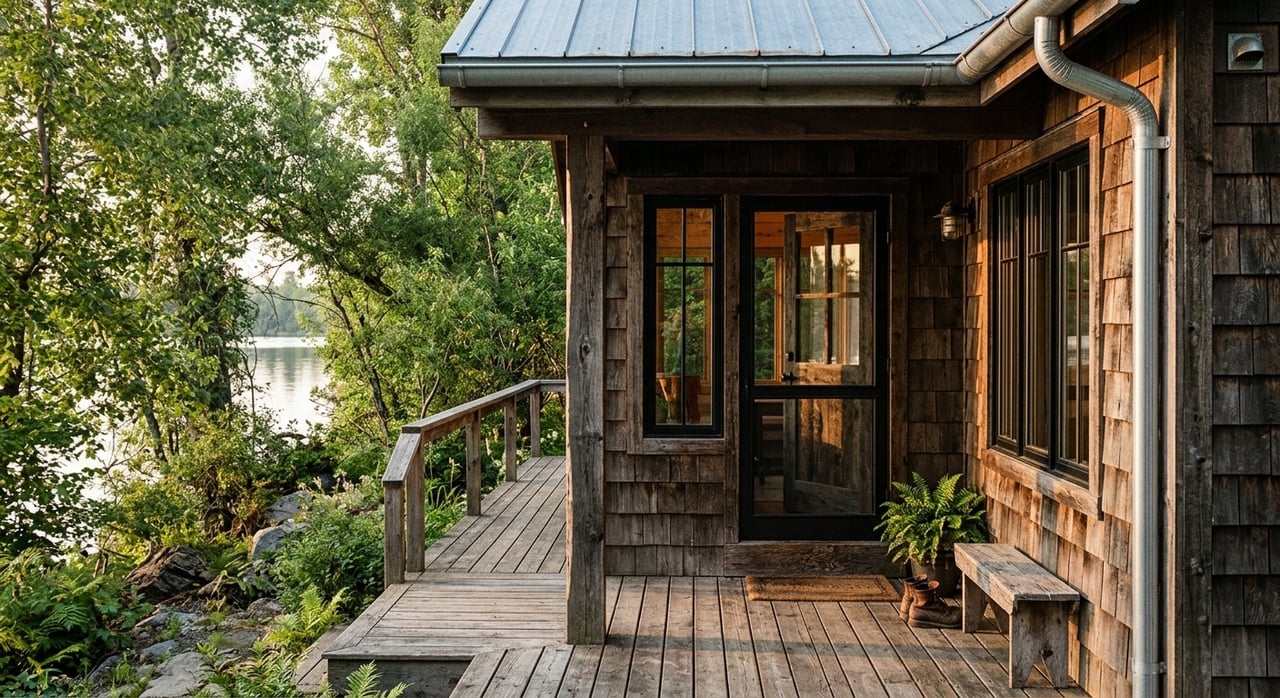
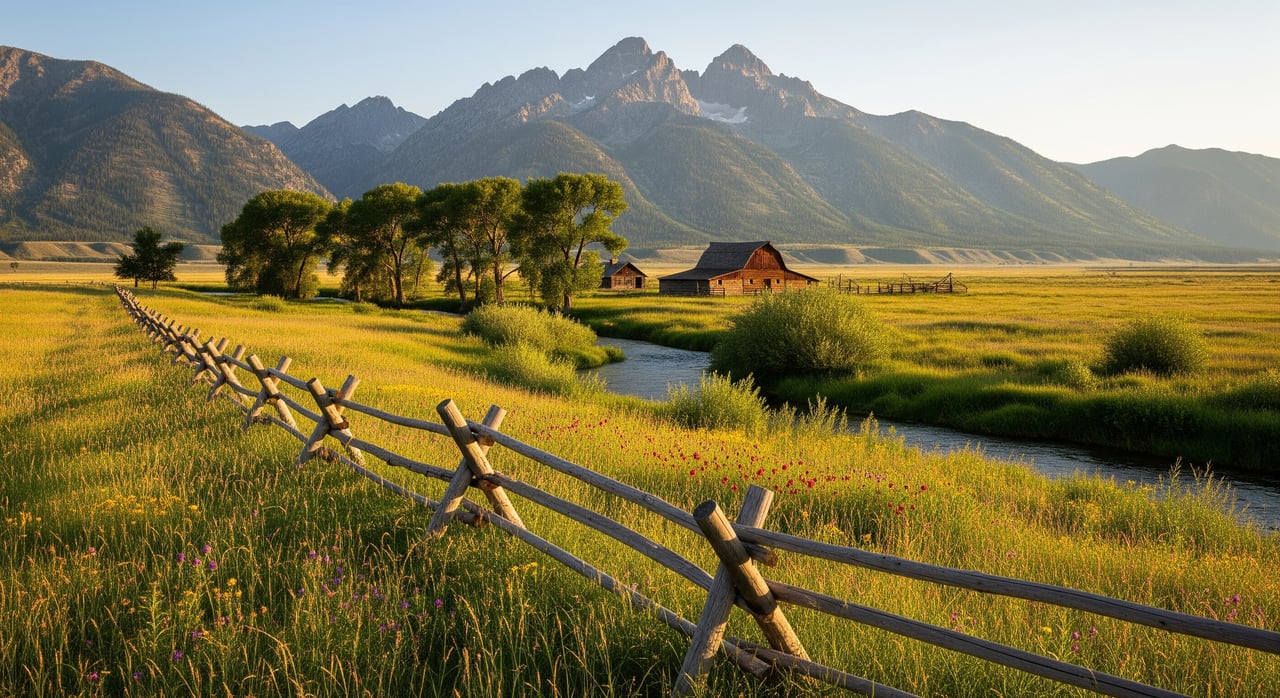
The south side and Paradise Valley tend to fit buyers who want scenery, recreation, and a quieter rural pattern. The city’s growth policy places this area within the broader Livingston geography and notes the way the river and terrain shape movement south toward Yellowstone. If fishing access, open views, and a more retreat-like setting are high on your list, this area often stands out.
North side and access-oriented areas
The north side deserves attention if easier in-and-out logistics matter to you. The city’s growth policy references transportation planning on the north side and access to I-90, suggesting a stronger tie to movement and infrastructure. For some second-home buyers, especially those arriving often by road, that practical advantage can carry real weight.
Rural valley corridors
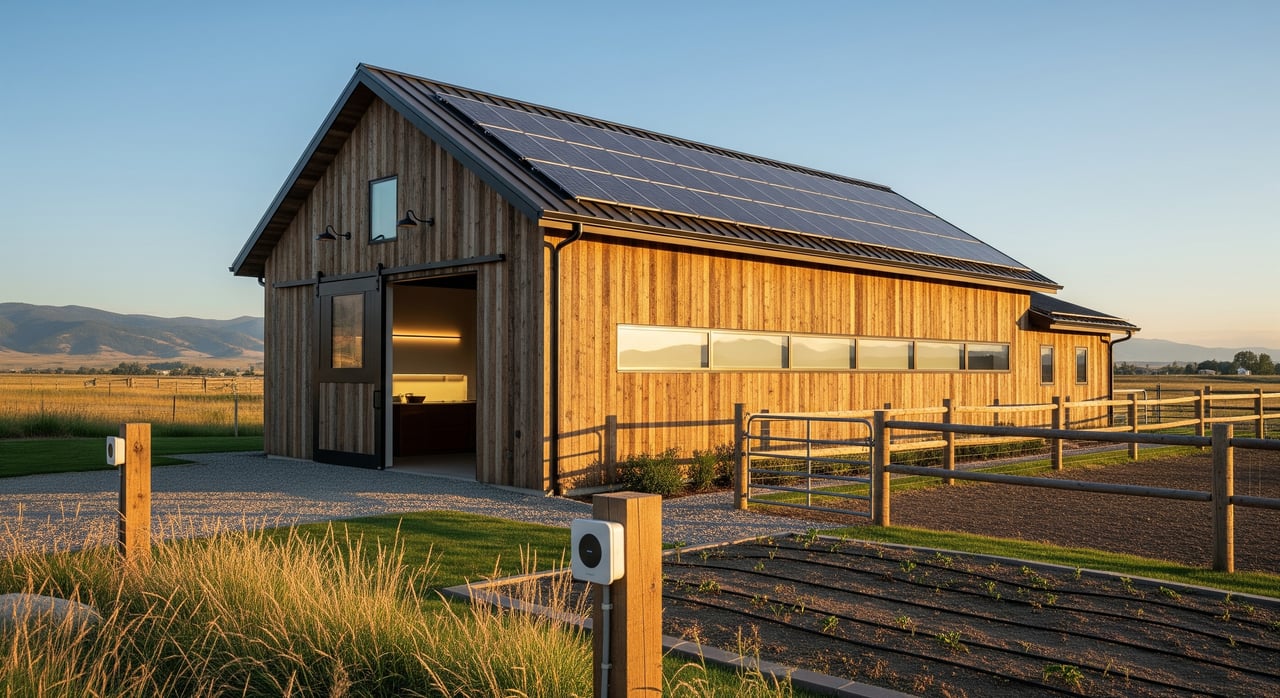
If you want a farther-out setting, the Livingston area also includes more remote valley corridors tied to recreation and acreage living. Montana Fish, Wildlife & Parks lists the Grannis fishing access site on the Shields River northeast of Livingston, east of Highway 89 and 4 miles north of I-90. That offers a concrete example of the wider Livingston orbit for buyers who want a more rural second-home pattern.
Travel and Arrival Planning
For most out-of-area owners, Bozeman Yellowstone International Airport is the main commercial-air gateway for Livingston. The airport authority says BZN serves Livingston and provides year-round service for two Yellowstone entrances. Yellowstone National Park transportation information also notes that Bozeman and Billings are served by commercial airlines year-round.
In practical terms, most second-home owners will use an air-plus-car travel pattern. Yellowstone’s transportation guidance notes that train service is not available to the park, and the road system is seasonal and weather-sensitive, with possible closures or delays. If you plan to use your property often, it helps to choose a location that matches how you like to arrive, move around, and settle in for short or long stays.
What Second-Home Buyers Should Keep in Mind
Livingston is strongest when it matches your season of use. If you expect most visits to happen in winter, a simpler in-town setup may fit better than a more remote property. If your ideal ownership pattern centers on spring fishing or quiet fall weekends, a river-adjacent or valley setting may be more appealing.
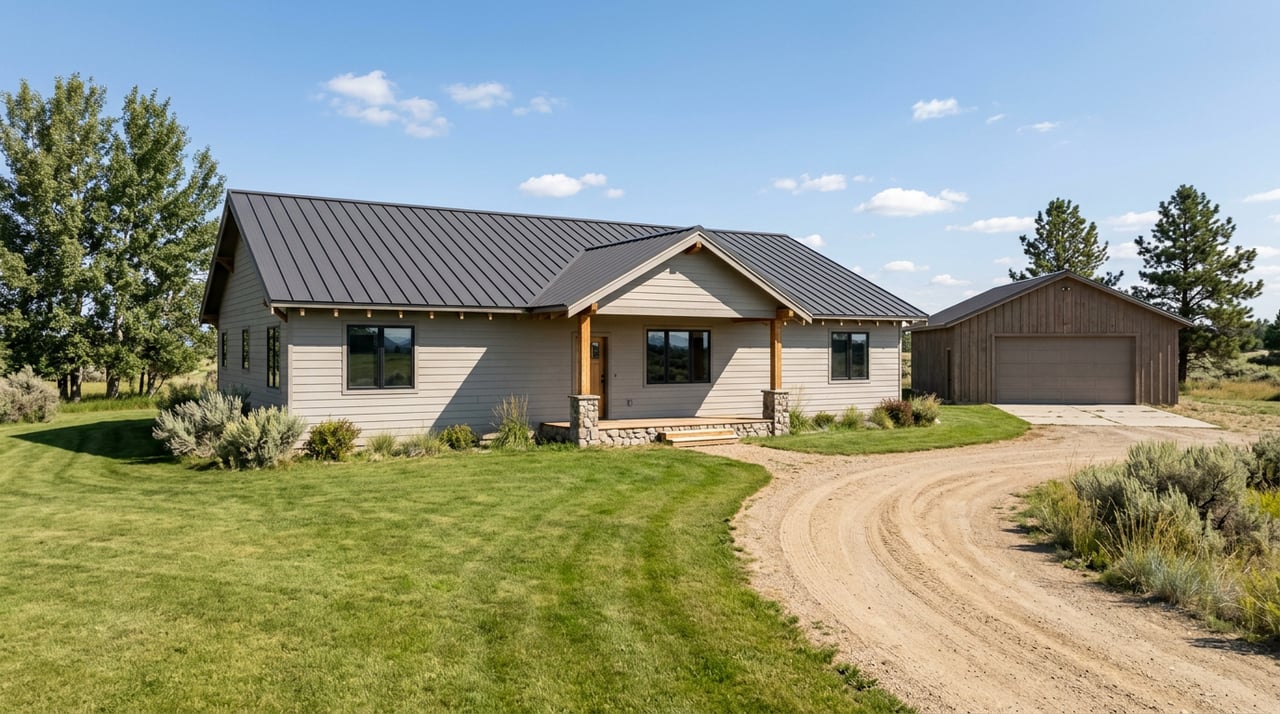
It also helps to think about whether you want energy or space. Downtown and the historic districts offer convenience, culture, and an easier lock-and-leave style. Paradise Valley, the south side, and rural corridors offer a more scenic and recreation-oriented feel that can suit buyers looking for privacy and a slower pace.
A second home in Livingston is rarely just about one season. The town works best for buyers who want a place that changes through the year and still feels grounded in local character. If that is what you are after, Livingston has a lot to like.
If you are exploring a second home in Livingston or the surrounding valleys, Dayle Stahl offers owner-led guidance for lifestyle, rural, and residential properties across south-central Montana.
FAQs
What makes Livingston, Montana appealing for second-home owners?
- Livingston offers a four-season pattern with winter recreation, spring fishing access, active summer arts and rodeo events, and a quieter fall shoulder season.
Which part of Livingston is best for walkable second-home living?
- Downtown Livingston and nearby historic districts are the best fit if you want restaurants, galleries, live theater, and short-weekend convenience.
Which Livingston area fits buyers seeking a quieter rural second home?
- The south side and Paradise Valley are strong options for buyers who want a more scenic, recreation-oriented, and rural feel.
How is winter in Livingston for part-time owners?
- Winter brings average highs in the mid-to-upper 30s, local skating programs, and access to Bridger Bowl’s ski season, which supports active second-home use.
What is spring like in Livingston for second-home use?
- Spring is a transition season with warming temperatures, higher late-spring precipitation, shoulder-season fishing appeal, and improving access to Yellowstone National Park roads.
What can second-home owners expect from summer in Livingston?
- Summer is the busiest cultural season, with warm temperatures, the Festival of the Arts, the Livingston Roundup Rodeo, and ongoing live performance programming.
Is fall a good season to use a second home in Livingston?
- Yes, fall is often quieter than summer and can be a good fit if you want cooler weather, fewer crowds, and time to enjoy downtown and trail connections.
What airport do most Livingston second-home owners use?
- Bozeman Yellowstone International Airport is the main commercial-air gateway for Livingston and is the most practical arrival point for many out-of-area owners.