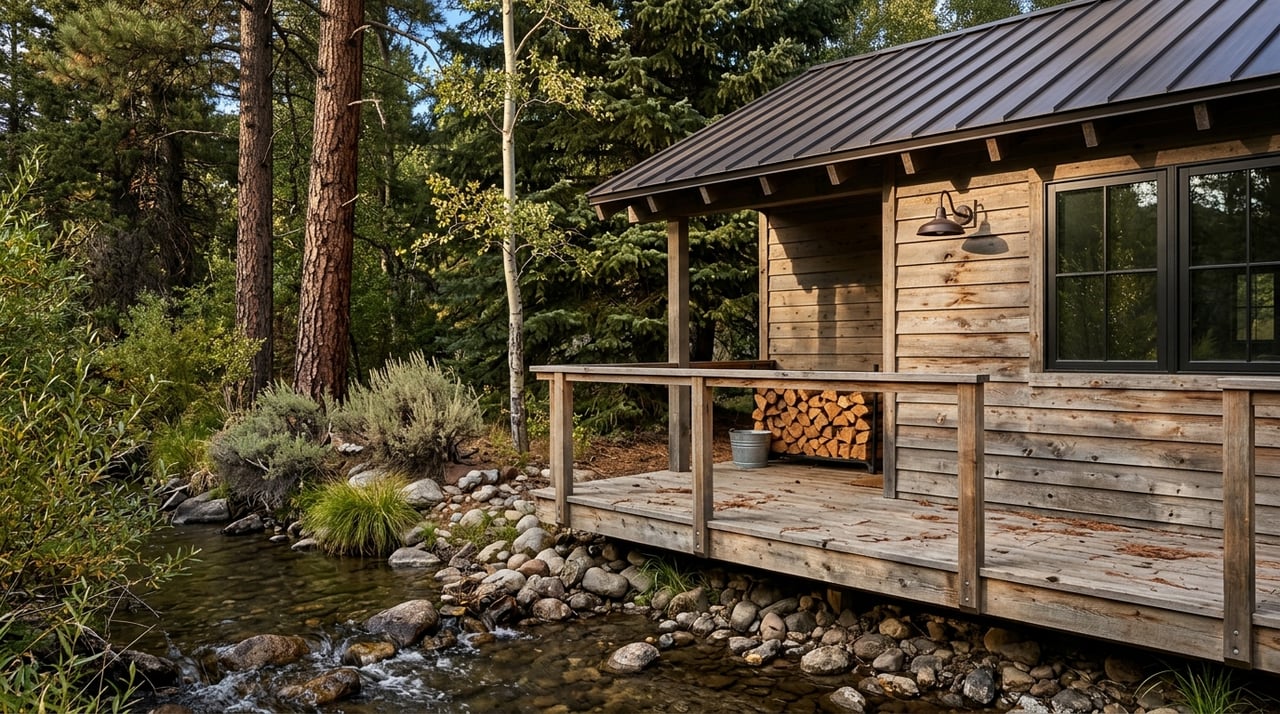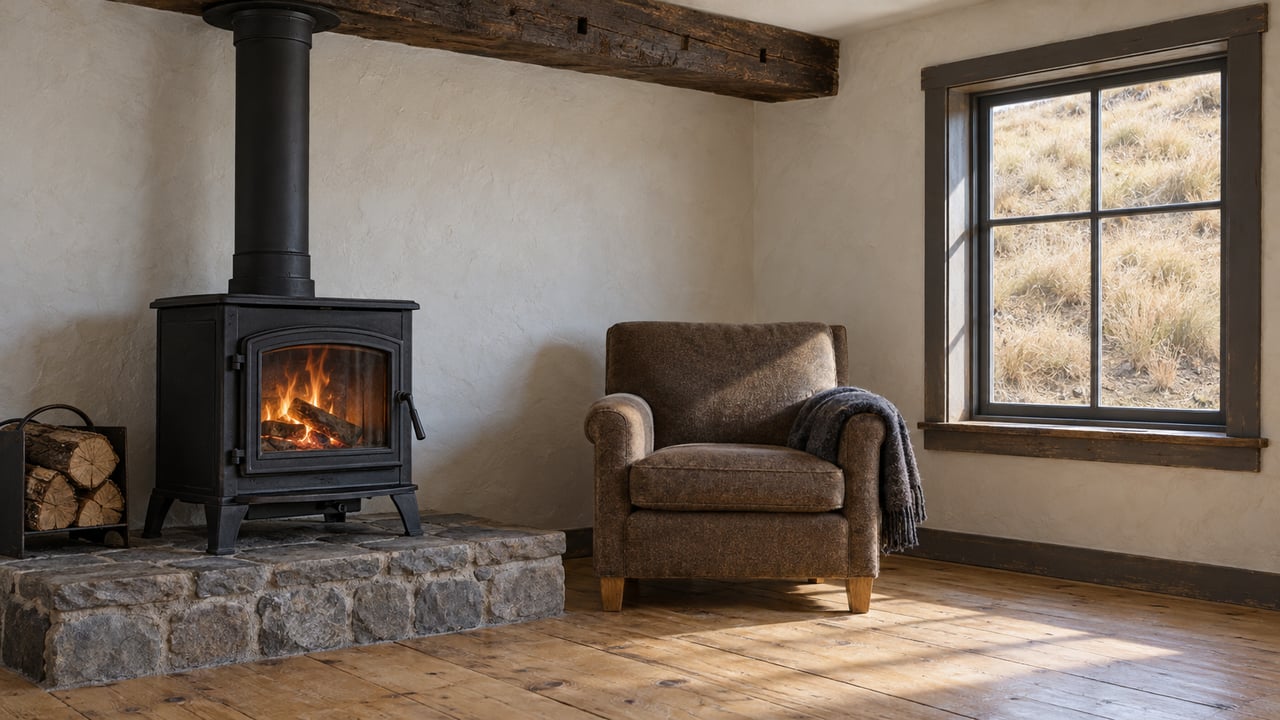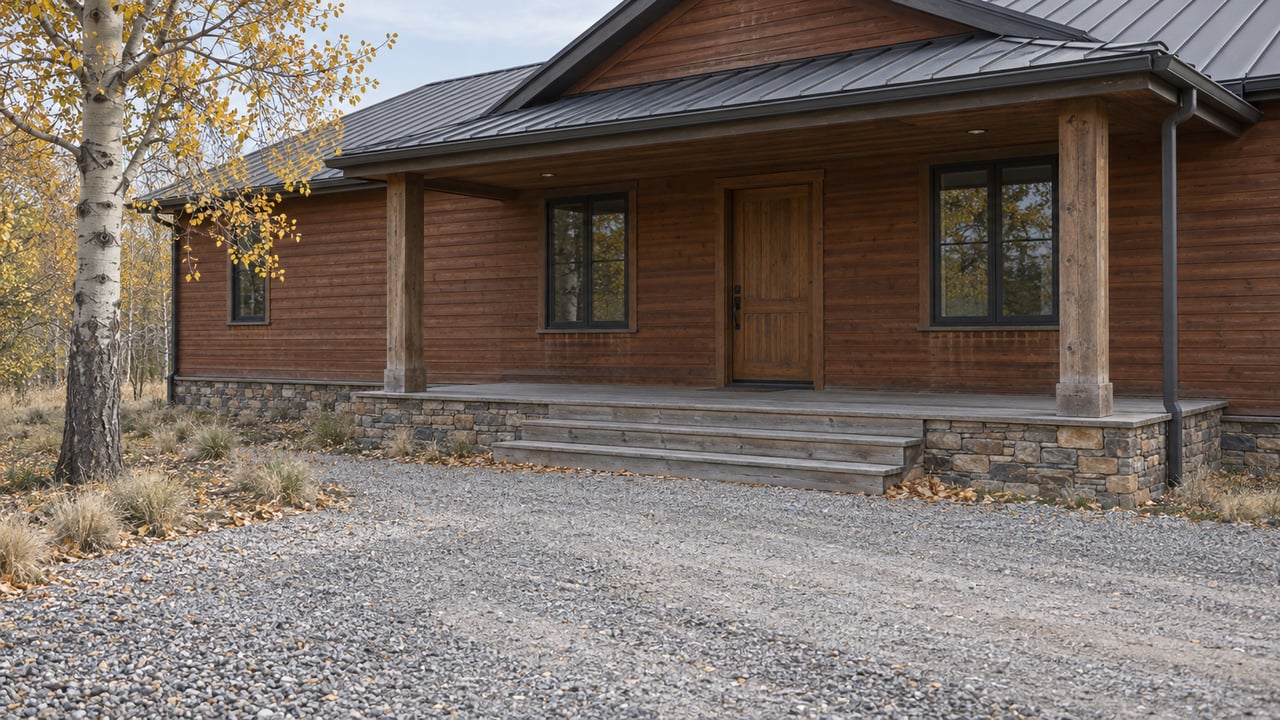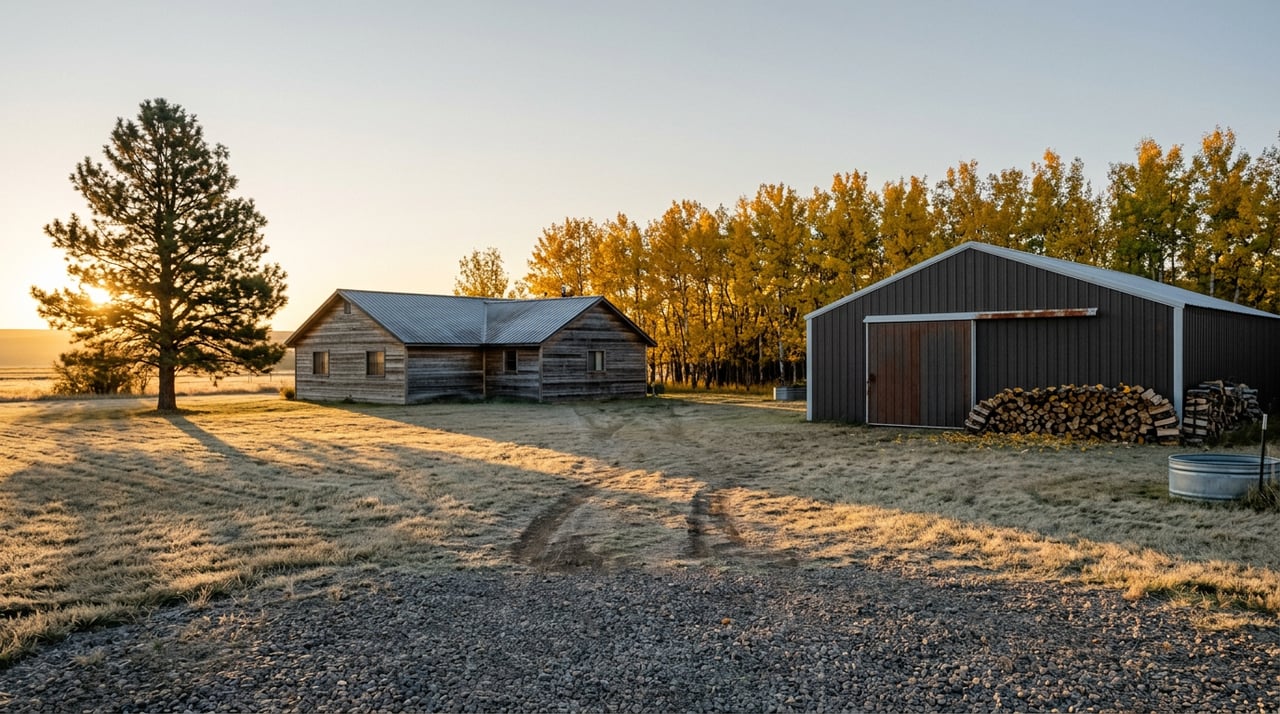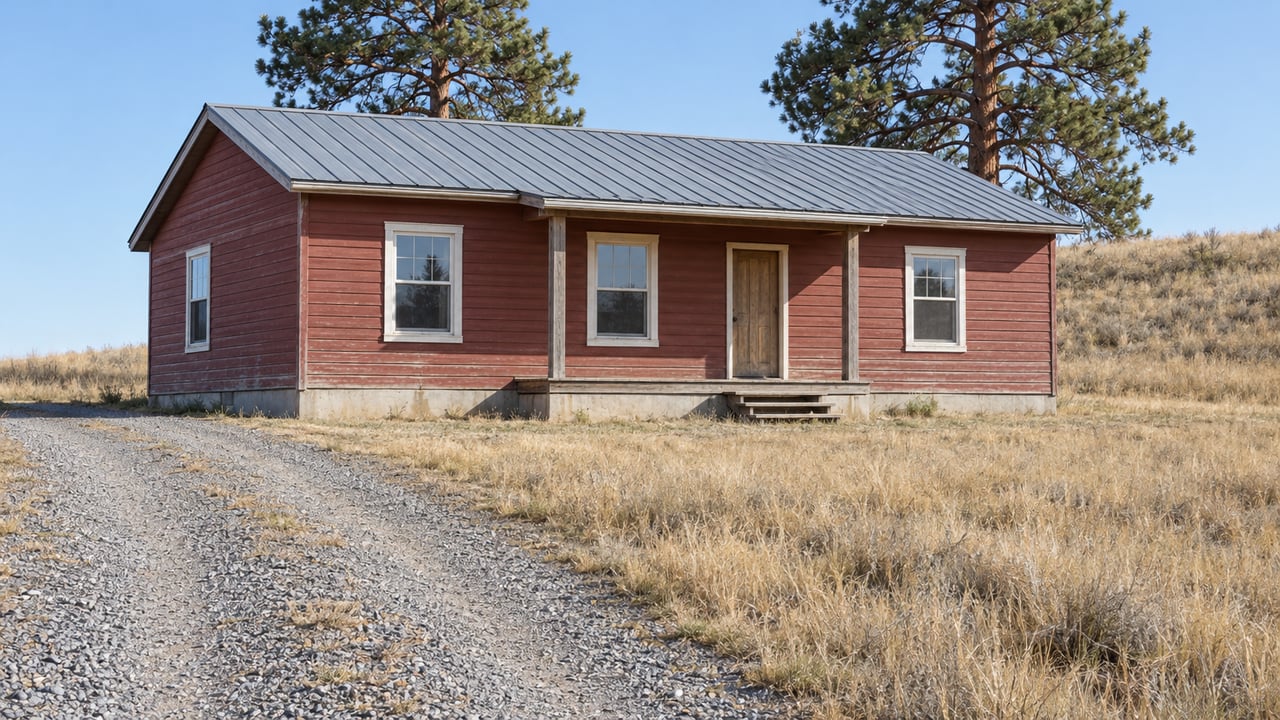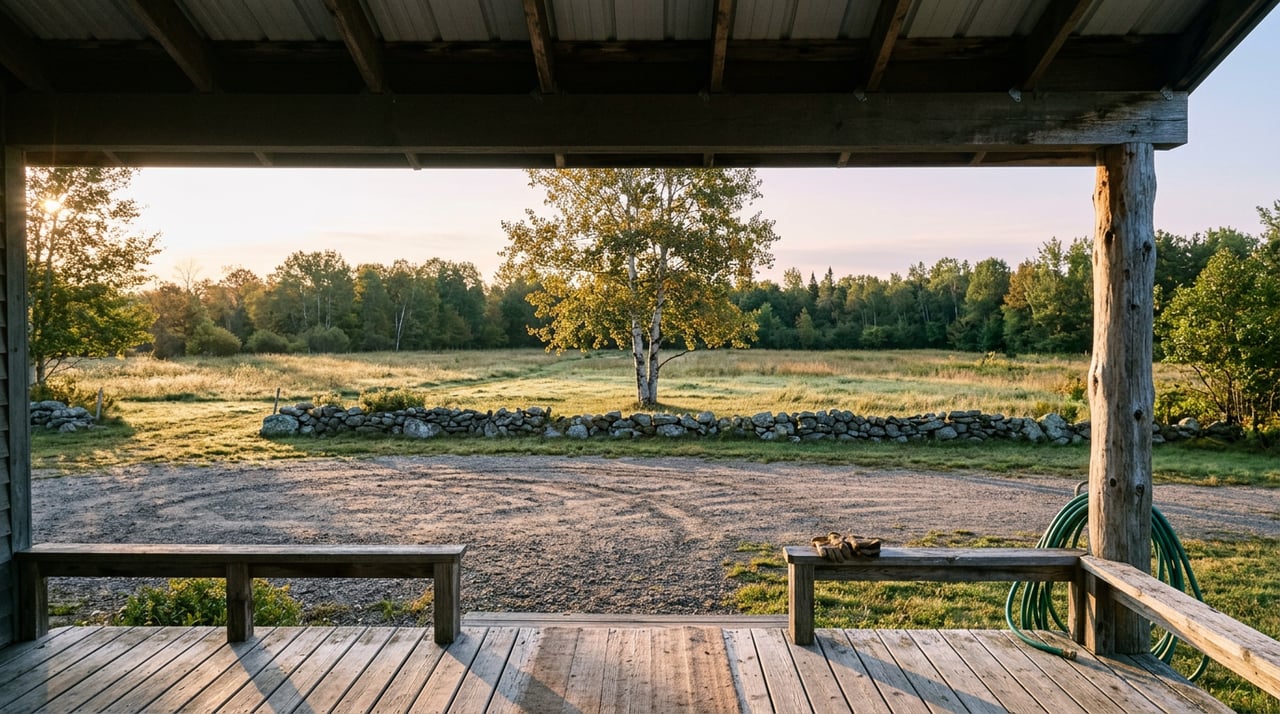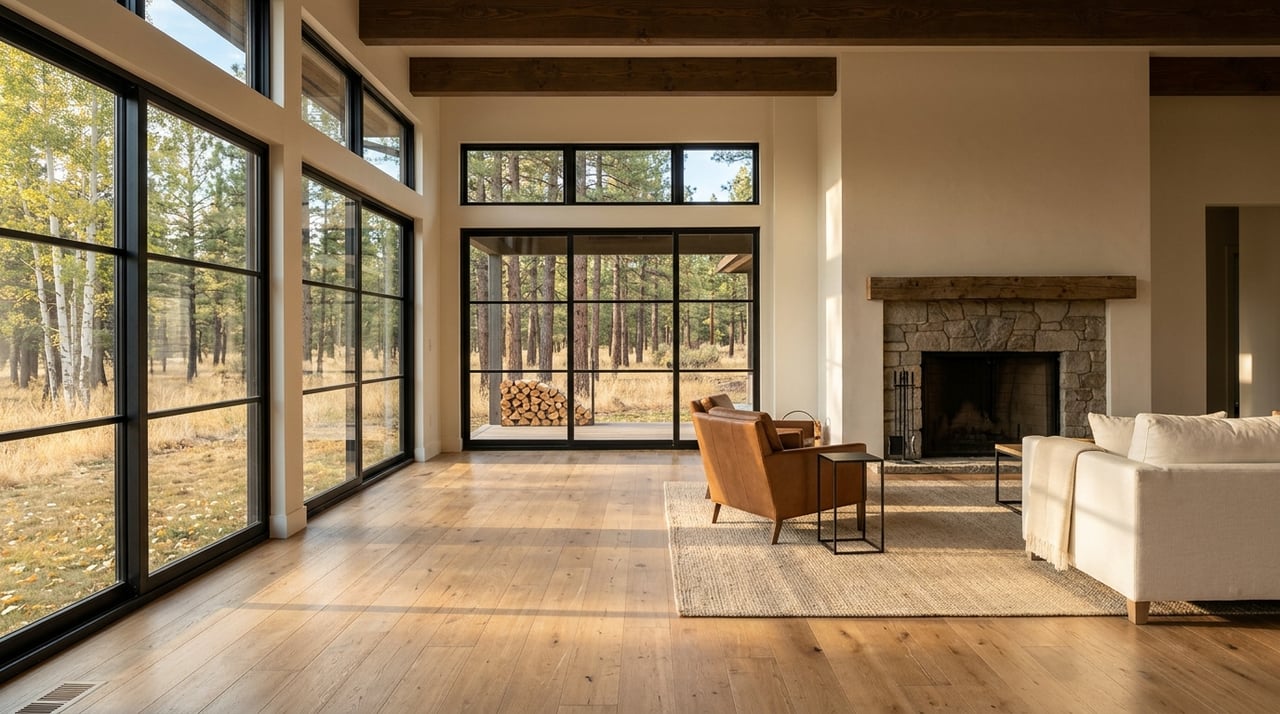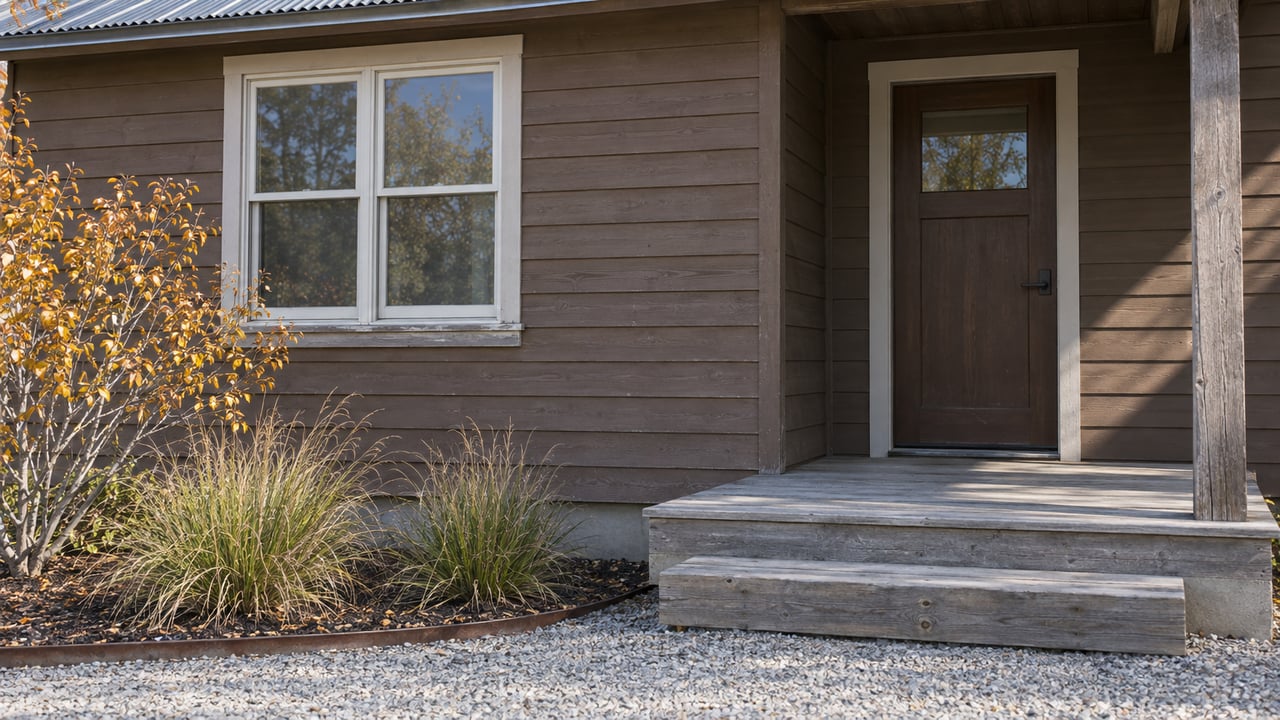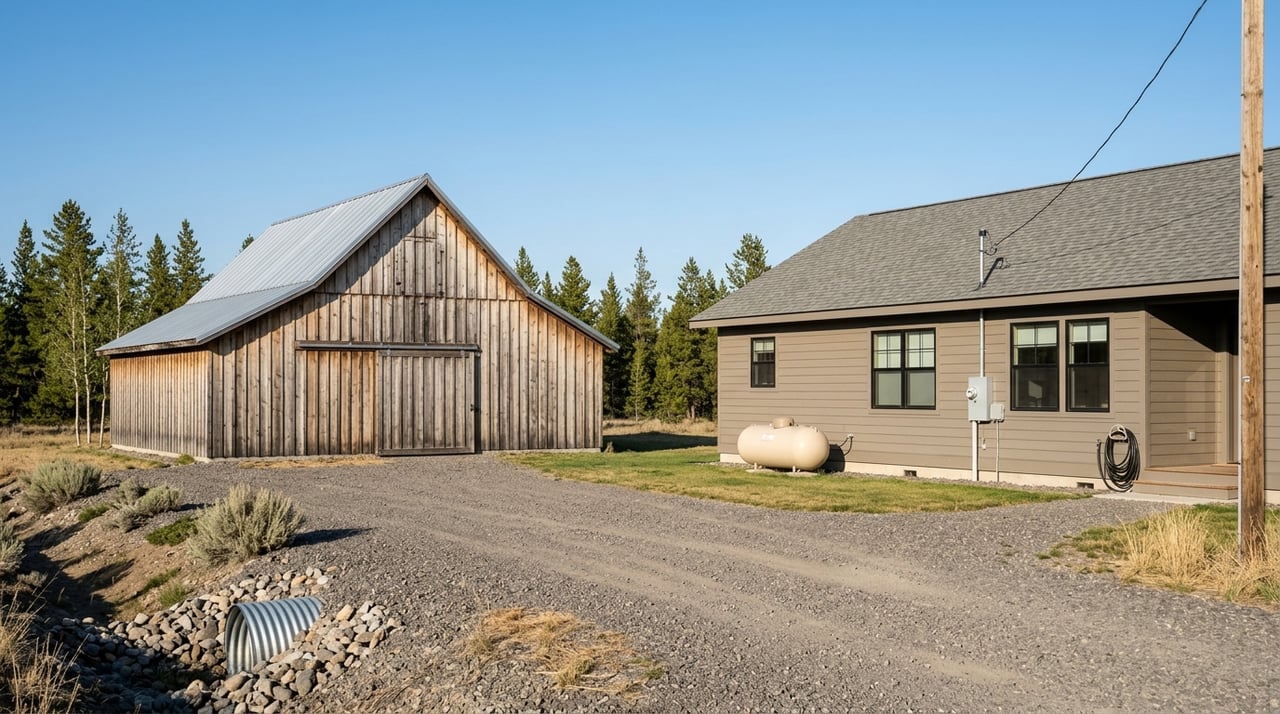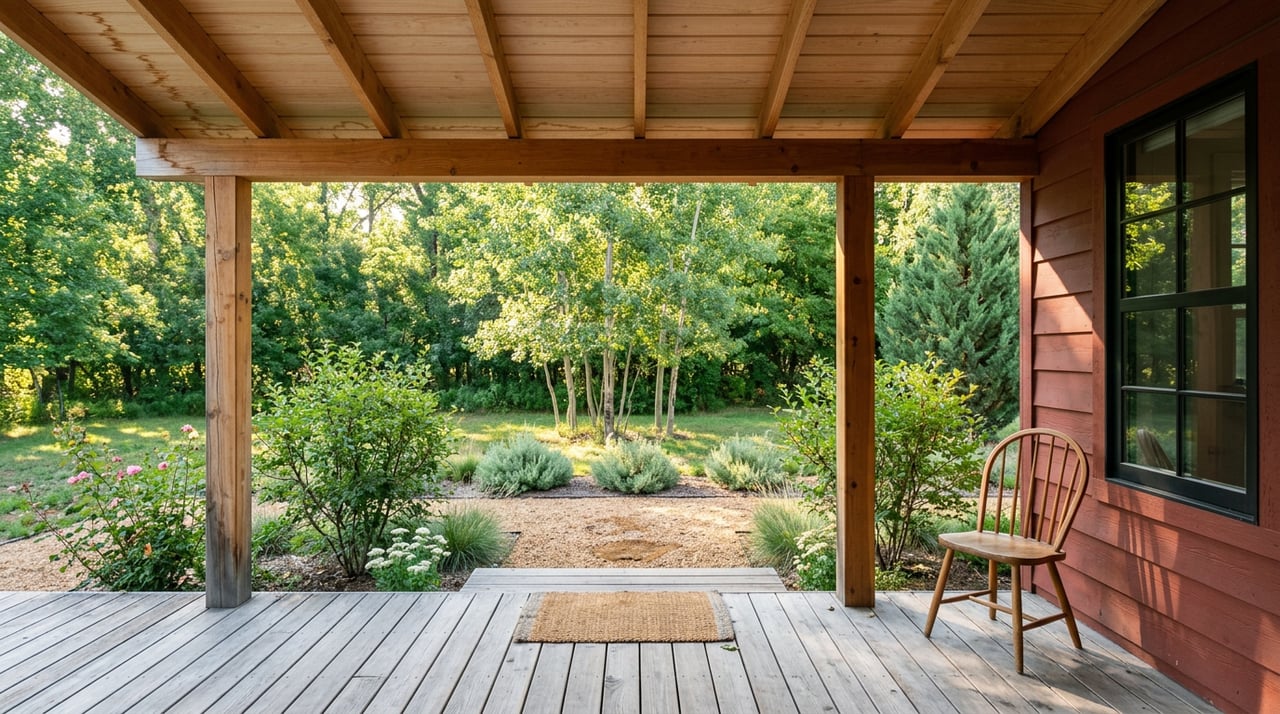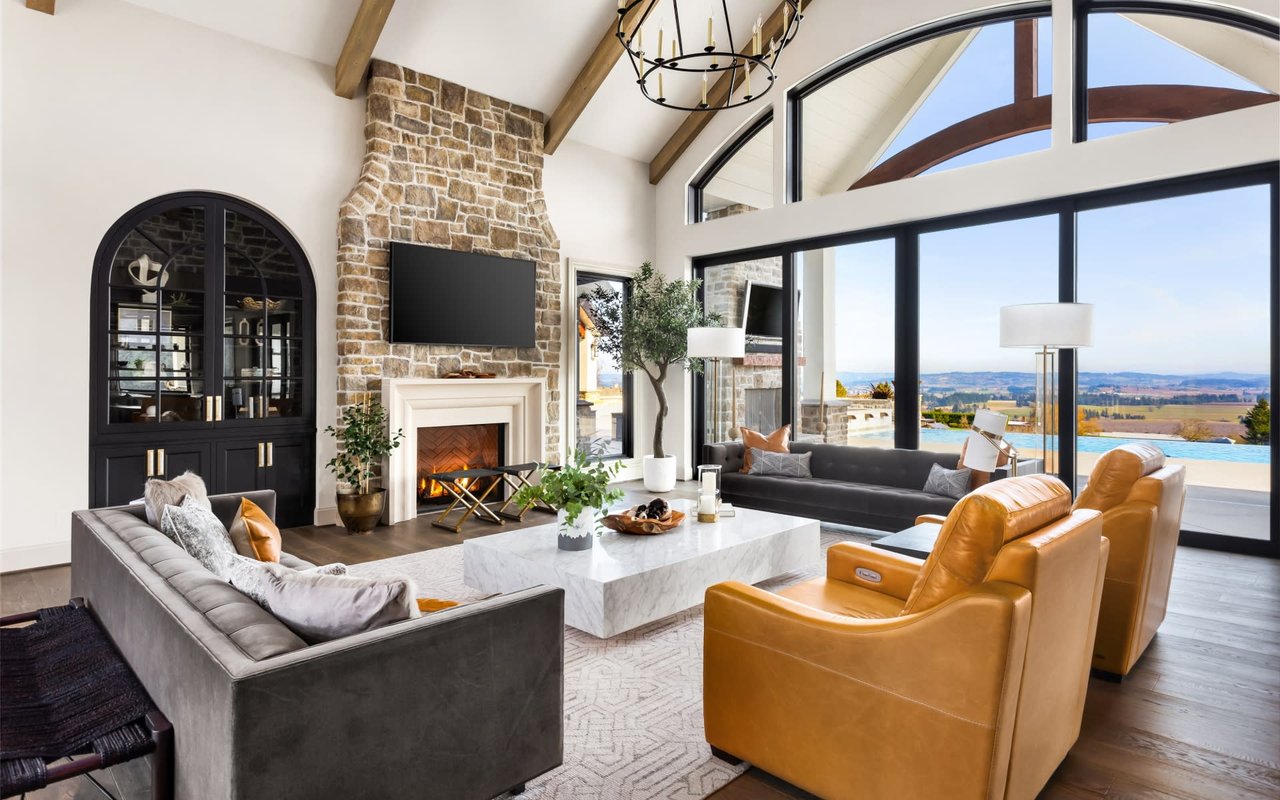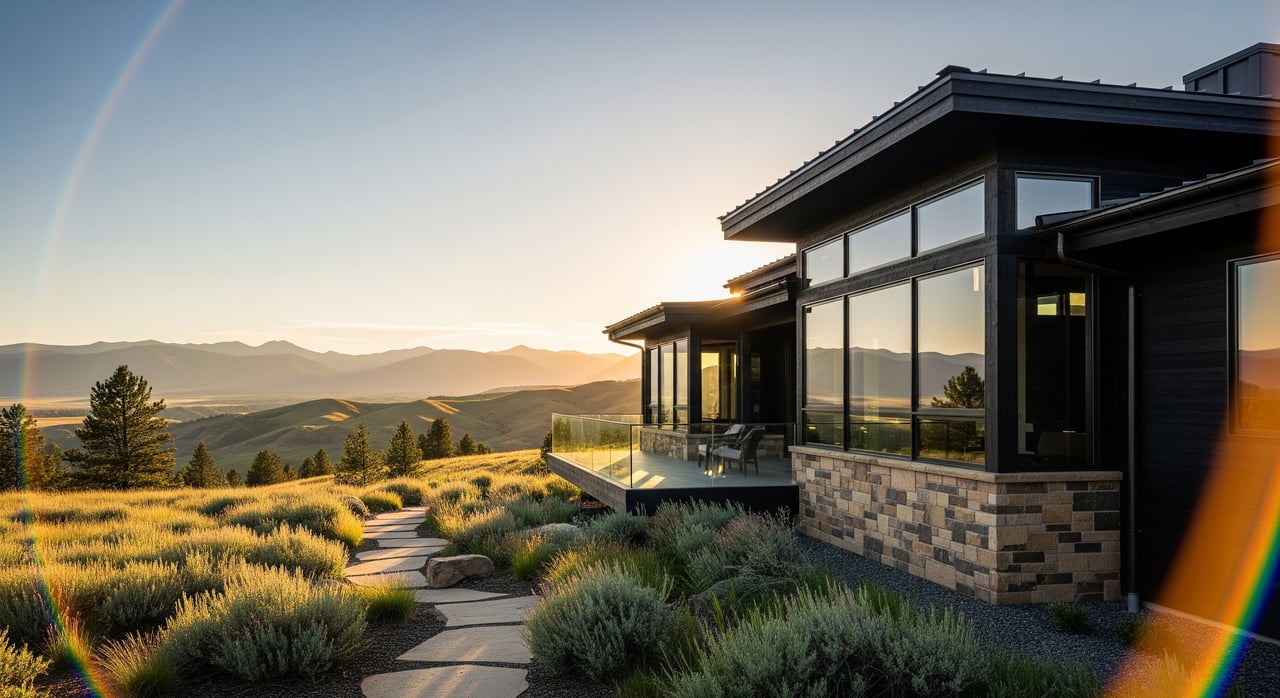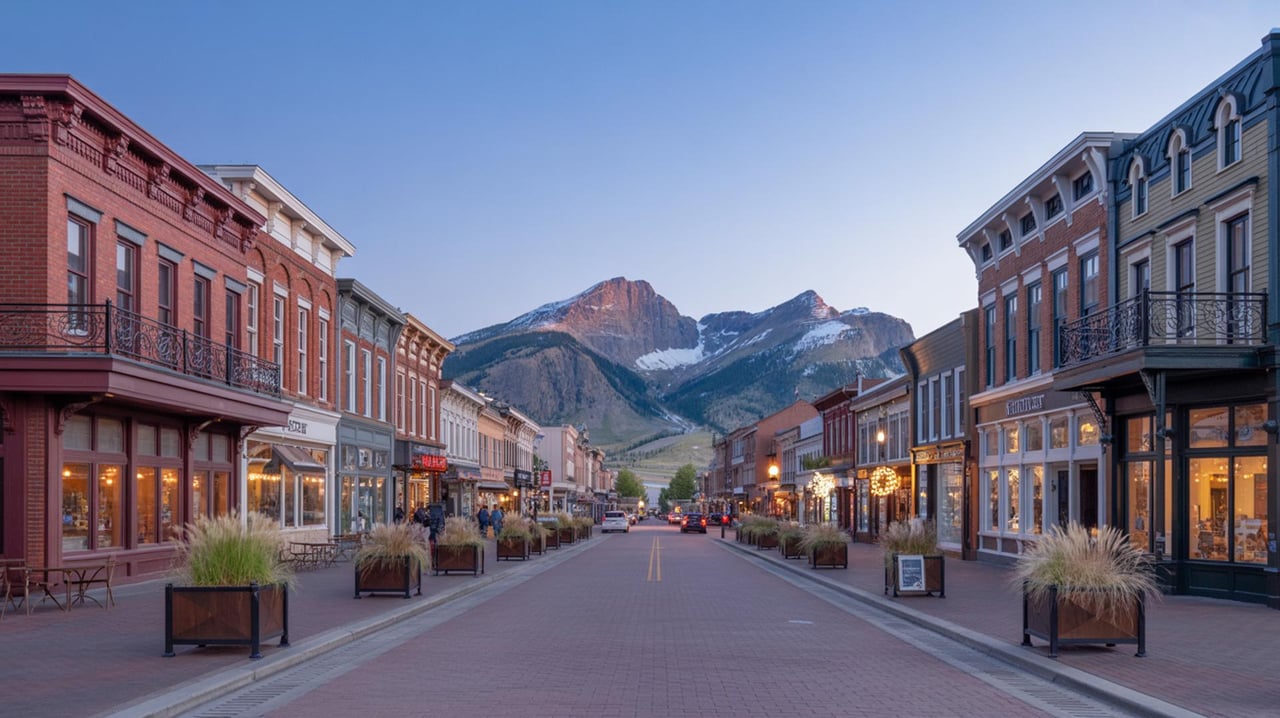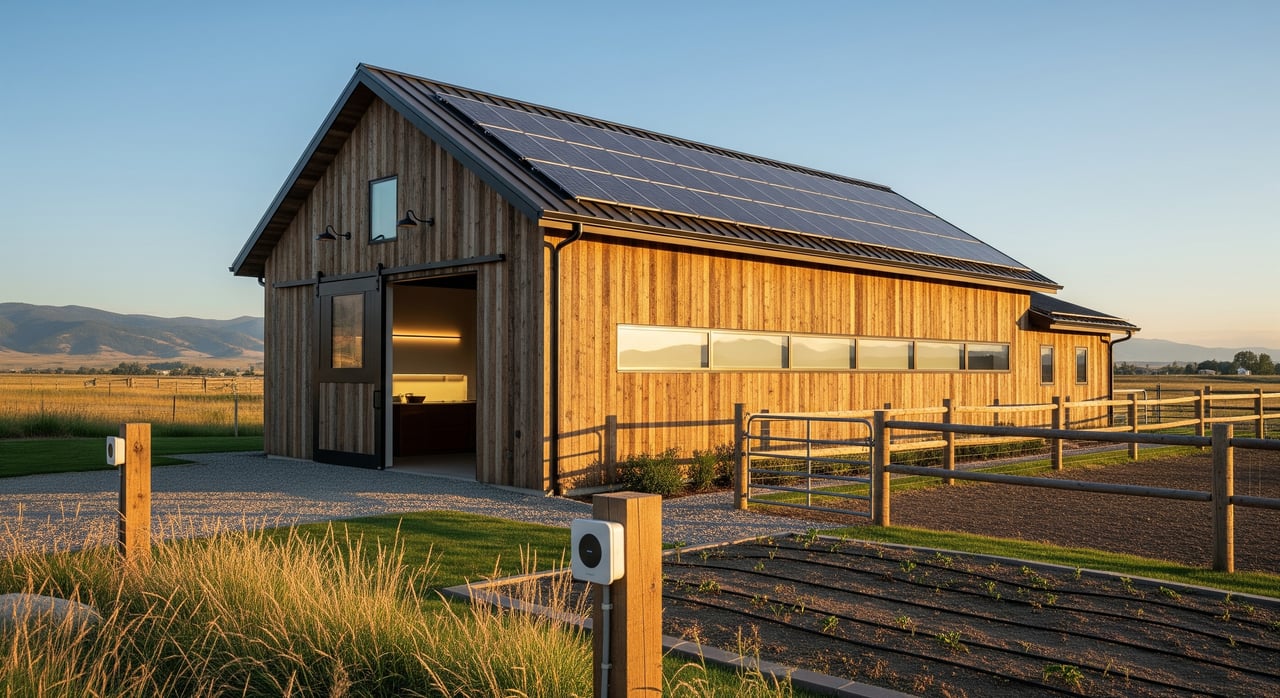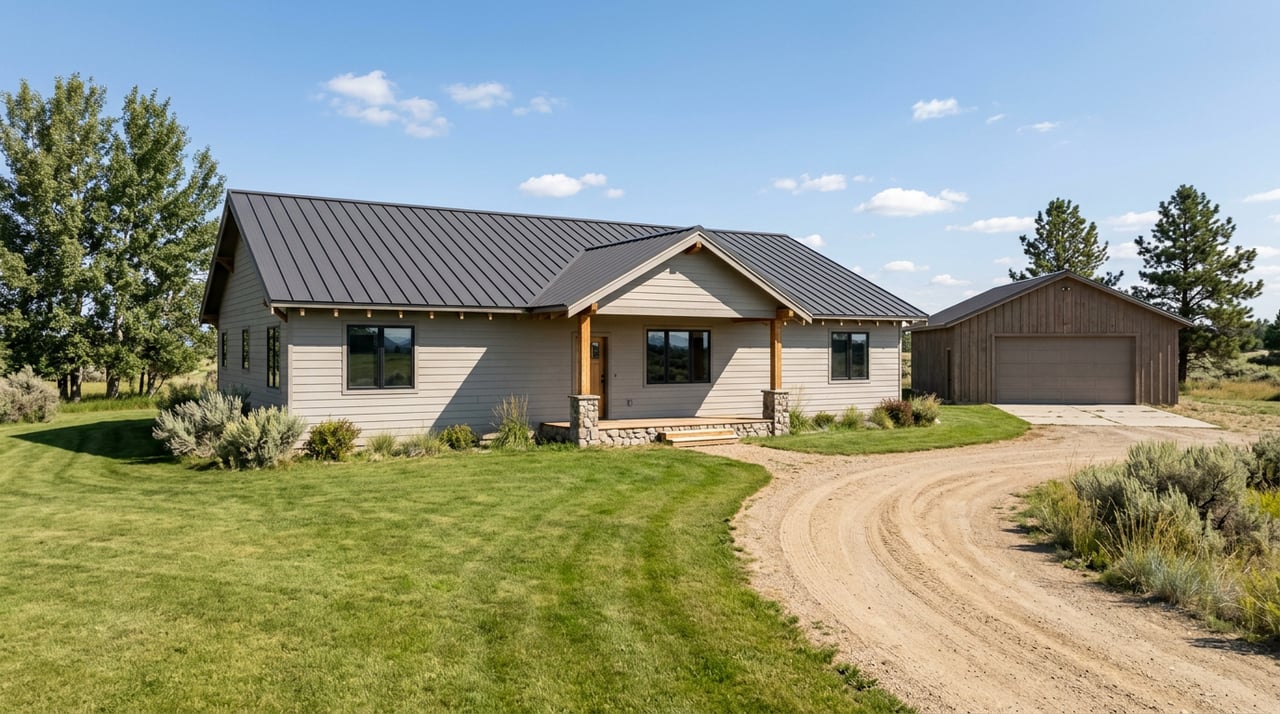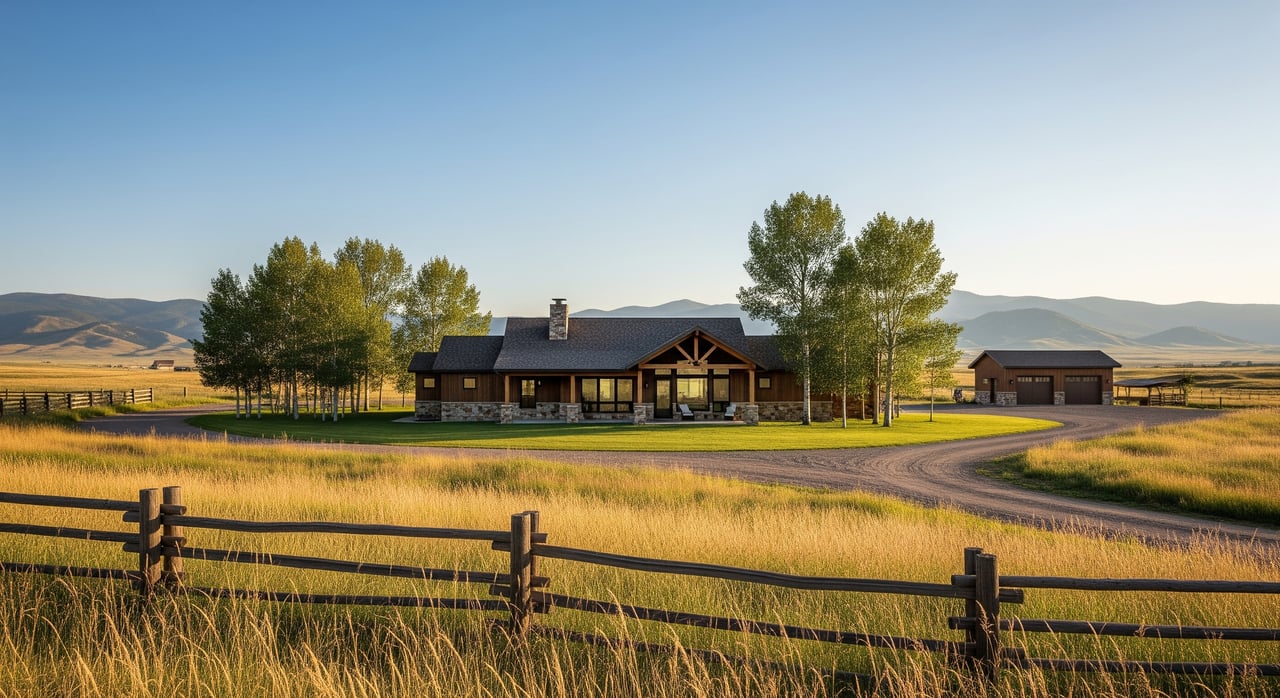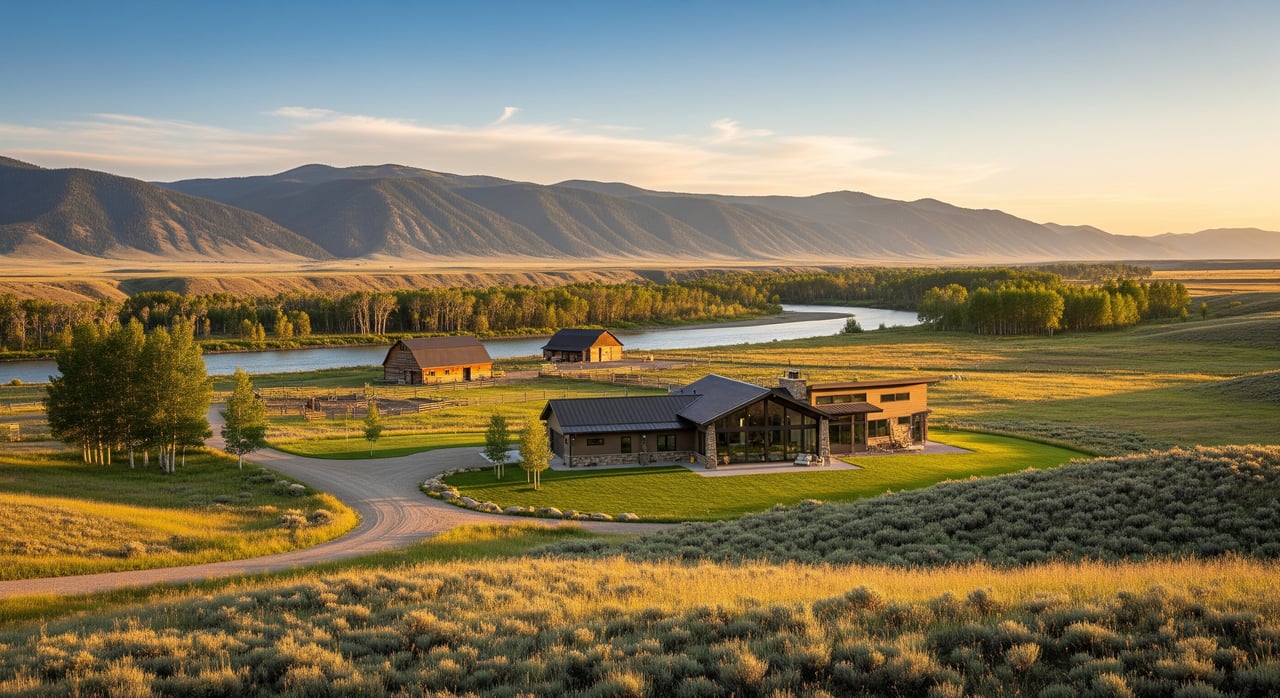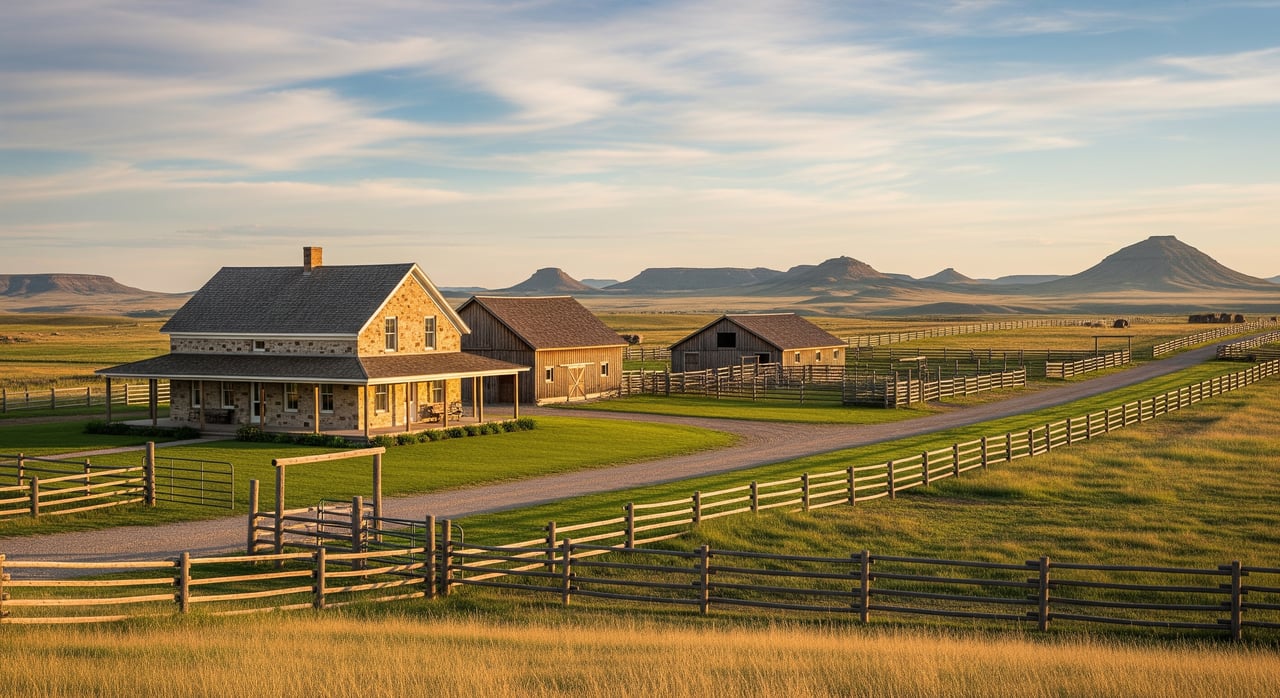
Are you dreaming about a lake house where the days revolve around fishing, boating, and wide-open Montana views instead of crowded resort amenities? If Fort Peck Reservoir is on your radar, you are probably looking for more than just a waterfront property. You are looking for a place that fits an outdoors-first lifestyle, works for long summer weekends, and feels rooted in the landscape. This guide will help you understand what owning a lake house near Fort Peck really looks like, from seasonal access to everyday logistics. Let’s dive in.
Why Fort Peck Feels Different
Fort Peck Reservoir is not your typical lake market. According to the U.S. Army Corps of Engineers, it offers 134 miles of water and more than 1,500 miles of shoreline, all within a broader northeast Montana setting that includes the Charles M. Russell National Wildlife Refuge.
That scale shapes the ownership experience. Instead of a resort setting with dense development and constant commercial activity, Fort Peck offers a more remote, recreation-centered atmosphere. For many buyers, that is exactly the appeal.
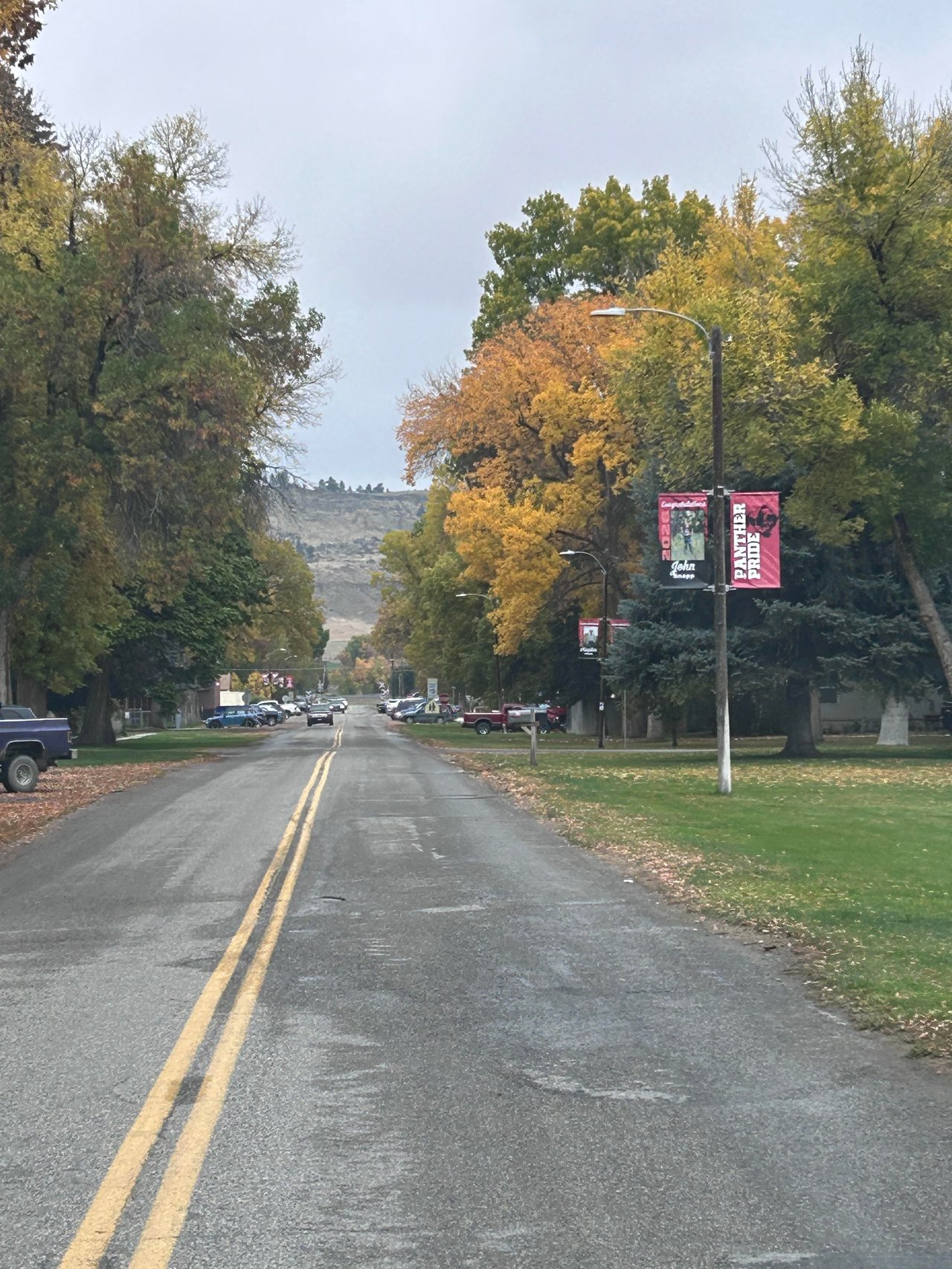
The town of Fort Peck also adds a distinct sense of place. The U.S. Army Corps of Engineers describes it as a rare treasure, with many early buildings still standing from the dam-building era. If local history matters to you, that character can be part of the draw.
Lake House Life Is Seasonal
If you are considering a lake house here, it helps to think in seasons instead of assuming year-round ease. Summer is the heart of the Fort Peck experience, with boating, fishing, camping, water sports, hiking, picnicking, and wildlife viewing among the core activities listed for the area.
Climate data from the nearby Wolf Point 29 ENE station shows a July mean daily high of 83.6 degrees and a mean daily low of 52.9 degrees. Combined with low annual precipitation of 14.19 inches, that points to a long, dry outdoor season that works well for days on the water and evenings outside.
Winter changes the pattern in a major way. NOAA normals for the same station show a January mean daily high of 23.4 degrees and a mean daily low of -0.1 degrees. The U.S. Army Corps of Engineers also says motorized vehicles are allowed only on designated ice access routes, not across the shoreline or on unsupported ice travel, and it does not recommend driving on the ice.
That means a Fort Peck lake house works best when you are comfortable with a property that shines brightest in summer and may require more planning in colder months. If you want predictable, all-season convenience right at the water’s edge, this may not be the right fit. If you want a seasonal base for outdoor recreation, it can be a compelling one.
What Buyers Love Most
Big Water and Open Space
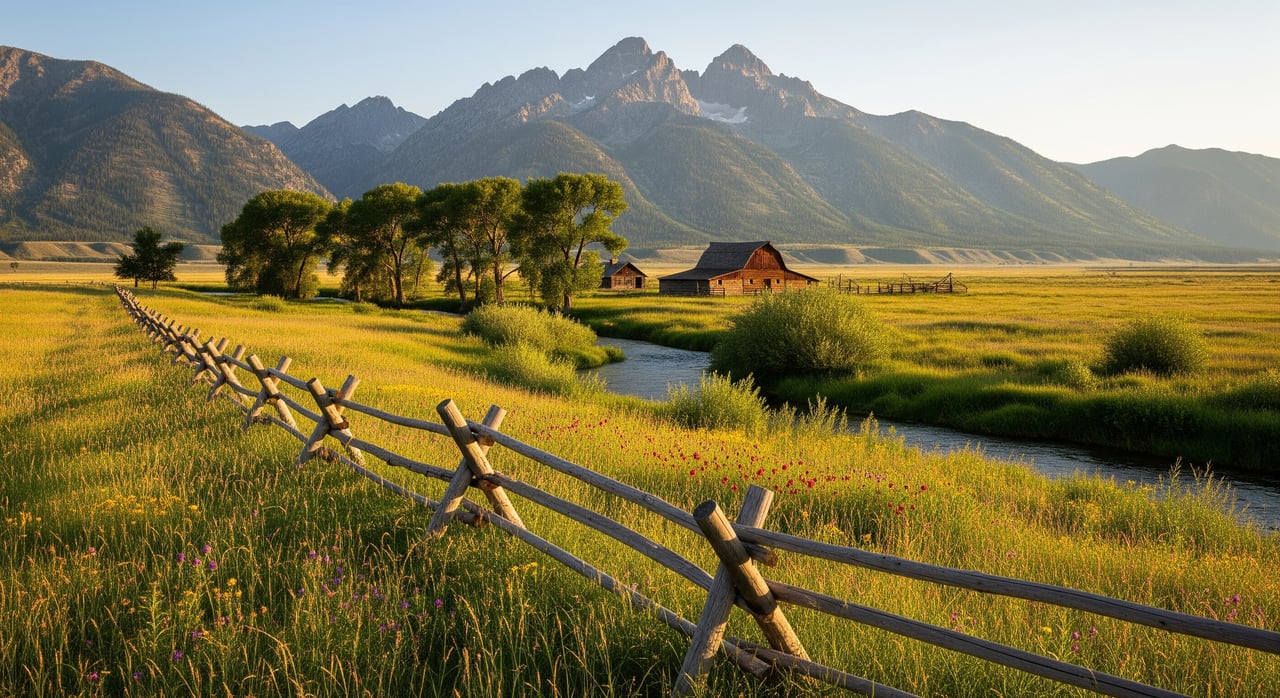
One of Fort Peck’s biggest advantages is simple: space. The reservoir’s size, long shoreline, and public-land setting create a sense of freedom that is hard to replicate in more built-up lake areas.
For buyers who value privacy, scenery, and elbow room, that matters. A property here often feels less like a resort purchase and more like an investment in time outdoors.
A Strong Fishing Culture
Fishing is one of the biggest lifestyle drivers at Fort Peck. Montana Fish, Wildlife & Parks identifies the reservoir as a destination fishery for large walleye, lake trout, chinook salmon, and smallmouth bass.
FWP also notes that the walleye fishery remains a major focus while northern pike, smallmouth bass, chinook salmon, lake trout, sauger, and cisco are also maintained. Over the last decade, walleye and other gamefish have been at or slightly above long-term averages. If your idea of a great lake house includes early launches, tackle in the garage, and friends coming in for fishing weekends, Fort Peck has a lot going for it.
Recreation Beyond the Boat
Fort Peck ownership is not only about fishing. Public amenities in the area include campgrounds, marinas, picnic areas, playgrounds, and day-use spaces, along with access to wildlife viewing and hiking.
That broad recreation mix makes many lake houses here feel like family base camps. You can picture summer guests rotating through, kids and grandkids spending the day outside, and evenings built around meals, stories, and planning the next morning on the water.
What To Expect From Access and Services
Fort Peck is accessible, but it is still a small-town, rural market. Recreation information for the area notes that Fort Peck is about 17 miles south of Glasgow via Highway 24 and 12 miles south of Nashua via Highway 117.
That geography matters when you think about day-to-day ownership. Valley County identifies Glasgow as the county seat and the main center for county services, including the courthouse, hospital, library, airport, and transit system.
In practical terms, many owners should expect to rely on Glasgow for a good share of errands and support services. That is not a drawback for every buyer, but it is important to understand before you buy.
Road Conditions Matter
Another key part of ownership is road access. The U.S. Army Corps of Engineers says many recreation areas around the reservoir are more primitive than the sites near the dam, and some access roads may be impassable in inclement weather.
For you as a buyer, that means summer access can feel straightforward while late fall, winter, and early spring may become more weather-dependent. If you are comparing properties, access should be part of your checklist right alongside views, water proximity, and storage for gear.
How To Think About the Right Property
Not every lake house near Fort Peck will serve the same purpose. Before you start narrowing options, it helps to be clear about how you want to use the property.
Best Fit for Second-Home Buyers
For many people, the strongest match is a recreational second home. The area is especially appealing if you want a place centered on fishing, boating, summer gatherings, and time outdoors.
This type of buyer usually does well with Fort Peck because expectations are aligned with the setting. You are not buying constant activity and full-service amenities. You are buying access to water, land, sky, and a slower rhythm.
Less Ideal for Resort Expectations
If your vision includes dense retail, easy healthcare access right by the lake, and resort-style services on demand, Fort Peck may feel too remote. The service profile around the reservoir is limited compared with larger destination markets, and Glasgow serves as the regional support hub.
That is why it is so important to match your goals to the area. The best lake-house purchases happen when buyers embrace Fort Peck for what it is, not for what it is not.
A Simple Lake House Buying Checklist
When you look at properties near Fort Peck Reservoir, keep these questions in mind:
- How will you use the home most often: fishing trips, family weekends, longer summer stays, or something else?
- What is the road access like in dry conditions and in poor weather?
- How far are you willing to drive for groceries, supplies, medical services, or airport access?
- Does the property layout support boat storage, gear storage, and guest overflow?
- Are you comfortable with a market that feels remote and seasonal rather than resort-like?
- Will the property still make sense for you in late fall, winter, or early spring?
A clear answer to those questions can save you time and help you focus on the right opportunities.
Why Local Guidance Matters
Lifestyle properties are rarely one-size-fits-all. At Fort Peck, the details that matter most often go beyond square footage. Seasonal access, road conditions, recreation patterns, and the practical realities of a rural setting all play a role in whether a property truly fits your goals.
That is where experienced Montana guidance makes a difference. When you work with a broker who understands recreational and rural real estate, you can evaluate a property through the lens of how you will actually use it, not just how it looks in photos.
Final Thoughts on Owning Near Fort Peck
Owning a lake house near Fort Peck Reservoir can be a great choice if you want big water, strong fishing, public-land scenery, and a place that supports long summer days with family and friends. It is especially well suited for buyers who want a recreational retreat and who understand that weather, roads, and seasonality are part of the package.
If that sounds like your version of Montana living, Fort Peck is worth a serious look. With the right expectations and the right property, you can end up with a place that feels less like a status purchase and more like a true base camp for the life you want to live.
If you are exploring lifestyle properties in Montana and want owner-led guidance grounded in real-world market knowledge, connect with Dayle Stahl to start the conversation.
FAQs
What is lake house living like near Fort Peck Reservoir?
- Lake house living near Fort Peck is typically centered on boating, fishing, wildlife viewing, and summer outdoor recreation in a remote, open setting rather than a resort-style environment.
Is Fort Peck Reservoir a good place for a second home?
- Fort Peck can be a strong fit for buyers seeking a recreational second home, especially if you are comfortable with seasonal access, rural services, and weather-dependent travel at certain times of year.
What are winters like at Fort Peck Reservoir?
- Winters are cold, with nearby NOAA normals showing a January mean daily high of 23.4 degrees and a mean daily low of -0.1 degrees, and ice travel conditions can change at any time.
What services are available near Fort Peck, Montana?
- Fort Peck is a small-town setting, and many owners rely on nearby Glasgow for county services, hospital access, library services, airport access, and other everyday needs.
Is Fort Peck known for fishing?
- Yes. Montana Fish, Wildlife & Parks describes Fort Peck as a destination fishery for large walleye, lake trout, chinook salmon, and smallmouth bass, with several other gamefish also supported in the reservoir.
What should buyers look for in a Fort Peck lake house?
- Buyers should focus on how they plan to use the property, seasonal road access, distance to services, and whether the home supports boating, gear storage, guests, and a recreation-first lifestyle.